


You have already walked the neon corridors of Myeongdong, sung along to a K-pop chorus in Hongdae, and filled a suitcase with skincare from Olive Young. But beneath South Korea’s gleaming modern surface runs an older current—one of pine forests, temple bells, and the quiet rhythm of Buddhist practice. A Korean temple stay is where that current surfaces. For Filipino travelers, it is a chance to trade the itinerary rush for a few hours of stillness, to eat without speaking, to bow without performing, and to discover a side of Korea that no shopping district can replicate.
This guide walks you through what to expect, where to go, how to book, and how to participate with an open heart—whether you are spiritually curious, culturally hungry, or simply ready for a deeper kind of travel.
What a Korean Temple Stay Actually Feels Like
A temple stay is not a hotel with meditation-themed décor. It is a brief, structured immersion into the daily life of a functioning Buddhist temple. You sleep, eat, chant, and breathe alongside monastics and volunteers, following a schedule that has changed little for centuries.
A Typical Day
- 4:30 AM — Morning wake-up: The day begins in darkness. A wooden bell or drum calls everyone to the main hall.
- 5:00 AM — Dawn chanting and meditation: You join the monastics in rhythmic Korean sutra chanting, followed by seated or walking meditation.
- 7:00 AM — Baru gongyang (monastic meal): Breakfast is eaten in silence using four nested bowls, with specific etiquette for receiving, eating, and cleaning them.
- 9:00 AM — Temple work or tea ceremony: Activities vary by temple: sweeping courtyards, making 108 prayer beads, or learning tea meditation.
- 12:00 PM — Lunch: Another silent, plant-based meal. Korean temple cuisine is refined, seasonal, and often surprisingly filling.
- Afternoon — Free reflection or guided walking: Many temples sit in mountain settings; this is when you let the landscape do its work.
- 6:00 PM — Evening chanting: A shorter ceremony as the sun sets.
- 9:00 PM — Lights out: The temple returns to silence.
Meals, Sleep, and Participation
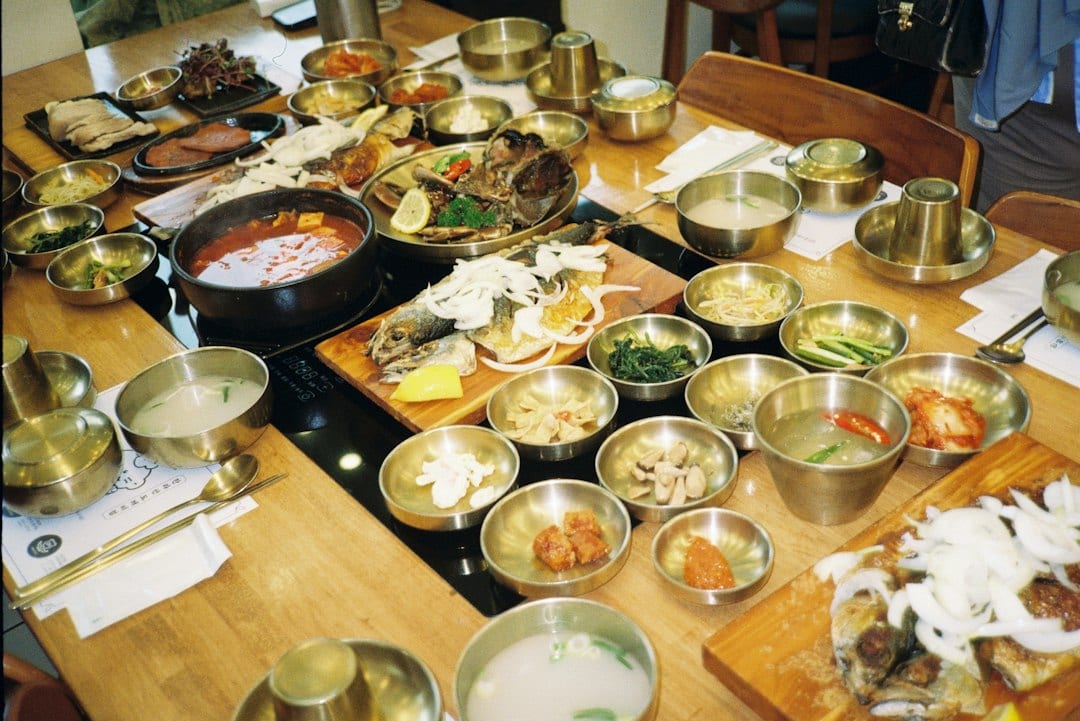
The most memorable ritual is baru gongyang. Before the meal, you will be shown how to arrange your four bowls, receive food in precise portions, and finish every grain. Leftovers are rinsed with water and drunk from the bowl—an act of gratitude, not austerity. It feels strange at first, then quietly profound.
Sleeping arrangements are simple: a thin mattress, blanket, and pillow on the heated ondol floor of a shared room. Shoes are left outside, bathrooms may be down the hall, and there is no Wi-Fi to hide behind. Participation is flexible—no one forces you to chant if you prefer to observe respectfully—but the more you join, the more the experience opens.
Three Temples to Consider, From Seoul to Busan
You do not need to trek deep into the wilderness to find an authentic temple stay. These three temples balance accessibility with genuine immersion, making them ideal for Filipino travelers with limited time.
| Temple | Location | Nearest Transit | Best For |
|---|---|---|---|
| Jogyesa | Central Seoul, Jongno | Anguk Station, Line 3 | First-timers, short stays, city convenience |
| Bongeunsa | Gangnam, Seoul | Bongeunsa Station, Line 9 | Urban contrast, night programs, quick escape |
| Beomeosa | Mount Geumjeong, Busan | Beomeosa Station, Busan Metro Line 1 | Mountain immersion, deeper retreat feel |
Jogyesa: the gateway temple
Jogyesa is the head temple of the Jogye Order and sits within walking distance of Insadong and Gyeongbokgung. Its courtyard fills with paper lanterns during Buddha’s Birthday, but on an ordinary morning it is wonderfully still. Because it is in the city center, it is the easiest choice for travelers who want a one-night introduction without leaving Seoul.
Bongeunsa: skyscrapers and sutras
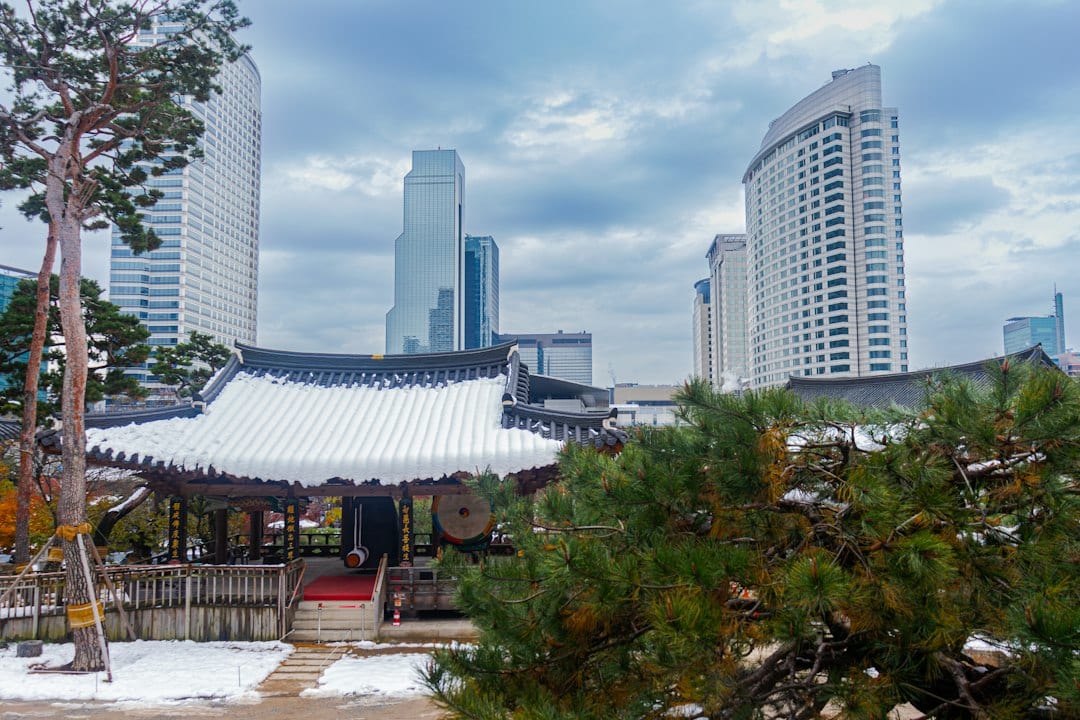
A short walk from Bongeunsa Station on Line 9, this hillside temple looks out over Gangnam’s glass towers. The contrast is breathtaking: you can finish evening chanting and hear the city humming below. Bongeunsa also offers shorter programs, making it ideal if you only have an afternoon or evening.
Beomeosa: mountain stillness in Busan
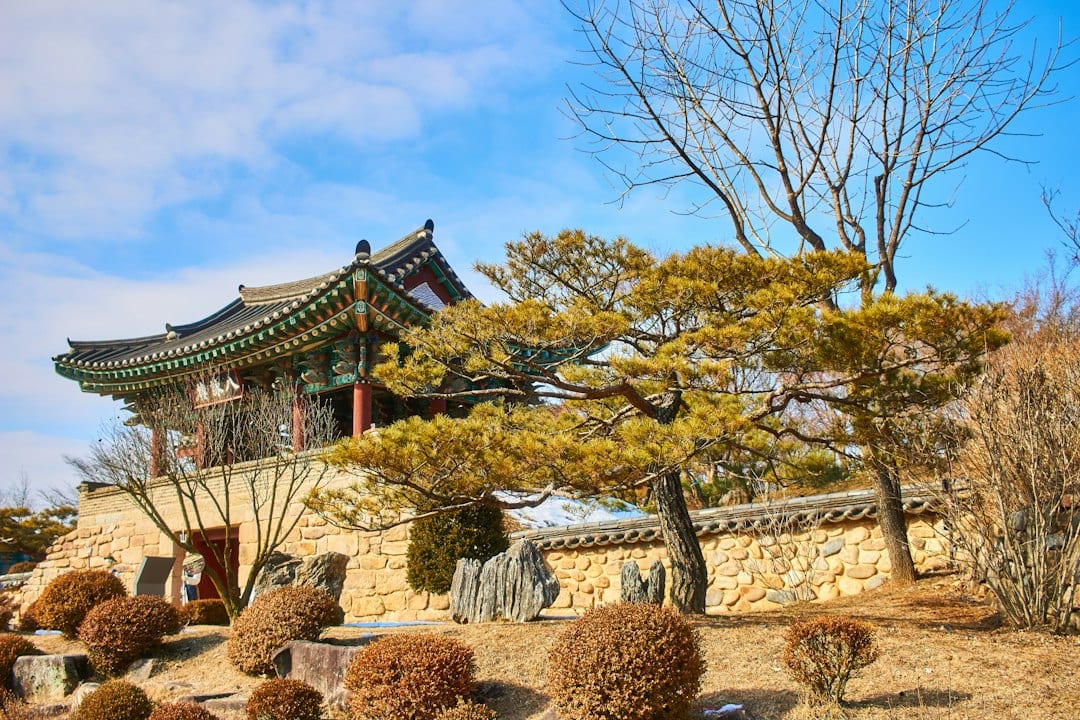
If your Korea itinerary includes Busan, set aside a night for Beomeosa. From Beomeosa Station on Busan Metro Line 1, a bus or taxi winds up toward Mount Geumjeong. The air cools, the pines thicken, and the temple complex unfolds in stone courtyards and tiled halls. This is where you go when you want the experience to feel like a genuine retreat.
How to Book: Platforms, Costs, and Timing
Booking a temple stay is straightforward, but it helps to plan at least two weeks ahead—especially in spring and autumn when Korean domestic travelers also seek mountain escapes.
- Official English platform: eng.templestay.com lists programs across the country, with filters for location, duration, and language support.
- Individual temple websites: Jogyesa, Bongeunsa, and Beomeosa each run their own reservation pages, often with more detailed program descriptions.
- Typical cost: Overnight programs range from KRW 50,000–100,000 per person (roughly ₱2,100–₱4,200 at current exchange rates). Shorter half-day or evening experiences run around KRW 20,000–30,000 (about ₱840–₱1,260).
- What is included: Accommodation, all temple meals, robes or vestments for ceremonies, and guided activities. Transportation to the temple is usually not included.
- Seasonal availability: Most temples operate year-round, but some suspend stays during major Buddhist events or harsh winter conditions. Always confirm before you pay.
If you are combining the temple stay with a broader Seoul–Busan itinerary, our Seoul to Busan KTX guide and T-Money card tips will keep your transfers smooth.
Planning your Korea trip?
Mesho can weave a temple stay into a fully curated Korea itinerary—complete with KTX seats, local transfers, and guided days in Seoul and Busan.
Explore Mesho Korea ToursEtiquette and Participation: Entering the Space Gracefully
Temple etiquette is less about perfection and more about intention. Monastics understand that guests are not Buddhists; they simply ask for respect, silence, and a willingness to follow the flow.
Clothing and footwear
- Wear modest, comfortable clothing that covers shoulders and knees. Layers help, because mountain temples can be cool even in summer.
- Shoes come off before entering any hall or sleeping quarters. Wear slip-on shoes to make the constant on-and-off easier.
- For ceremonies, the temple usually provides a vest or robe to wear over your clothes.
Bowing, silence, and phones
- Chaje (prostrations): You will be taught the three bows—standing, kneeling, forehead to floor. Copy the person in front of you; no one expects precision.
- Silence: Meals, walking meditations, and late evenings are held in silence. Use it as a gift, not a rule to fear.
- Phones: Keep them out of the main hall and dining area. Some temples allow photos in courtyards; ask first.
“The bow is not worship of a statue. It is a way of putting down what you are carrying.”
For Catholic Filipino Travelers: A Door, Not a Conversion
Many Filipino travelers are Catholic, and the idea of chanting in a Buddhist hall can feel unfamiliar. The good news is that a temple stay is not an invitation to convert. It is an invitation to witness, to listen, and to find the threads that connect different spiritual paths.
You will notice echoes of what you already know. The rhythmic chanting resembles the cadence of the Liturgy of the Hours. The silence before dawn feels like time before the Blessed Sacrament. The communal meal, eaten mindfully, recalls the Eucharistic sense that food itself can be sacred. And the emphasis on compassion—metta in Buddhism, pagmamahal at home—resonates across both traditions.
You do not need to bow to a Buddha image as an act of worship. You can bow as a gesture of respect, just as you might remove your shoes before entering a Korean home. The monks will not ask for your creed; they will offer you tea. Receive it with gratitude, and the experience becomes a conversation between cultures rather than a departure from your own faith.
What You Bring Home
The souvenir from a temple stay is not something you pack. It is the memory of sitting in a wooden hall while rain taps the roof, of tasting food without distraction, of walking a stone path so slowly that you notice the moss between the cracks. You return to Manila or Meycauayan with a quieter center—and with stories that go beyond the usual Korea trip highlights.
That is the Korea worth discovering: not only the Korea of concerts and cosmetics, but the Korea of temple bells, mountain mist, and shared silence.
Quick Summary
- A temple stay follows a structured monastic schedule: dawn chanting, silent meals, meditation, and early lights out.
- Jogyesa, Bongeunsa, and Beomeosa offer accessible, English-friendly programs from Seoul to Busan.
- Book through eng.templestay.com; overnight stays cost roughly ₱2,100–₱4,200 per person.
- Dress modestly, remove shoes, observe silence, and participate in ceremonies as a respectful guest.
- Catholic travelers can engage without conflict, focusing on shared values of gratitude, silence, and compassion.
Ready to Go Deeper?
A temple stay is one of the most meaningful additions you can make to a Korea itinerary. Whether you want a single night of stillness in Seoul or a mountain retreat before exploring Busan, Mesho can build the experience around your pace, your faith, and your curiosity.
Plan Your Korea Journey with MeshoRelated Reading
- South Korea Visa Requirements for Philippine Passport Holders in 2026
- Seoul to Busan by KTX: A Filipino Traveler's Step-by-Step Guide
- Busan Coastal Walk and Seafood Markets: A 2-Day Itinerary
Author note: Grace Villareal is a Taipei-based travel editor who has spent years covering Northeast Asia. She writes about border details, local etiquette, and the quieter experiences that lie beyond the main attractions across Korea, Japan, Taiwan, and Greater China.


