


Stepping into a Thai temple in shorts and flip-flops is the quickest way to feel like a visitor rather than a guest. For Filipino travelers leaving Meycauayan, the real aspiration is not just to see Thailand, but to move through its temples, markets, and dining tables with the same quiet respect Thai people show one another every day.
The good news is that many values already feel familiar: respect for elders, close family ties, and a strong spiritual current running through daily life. What changes are the gestures. A slight bow replaces a firm handshake. Covered shoulders replace breezy tops. A calm voice replaces a loud bargain. This guide explains the etiquette that turns a sightseeing trip into a genuine cultural exchange in the Land of Smiles.
Temple Etiquette: Dress, Shoes, and Posture
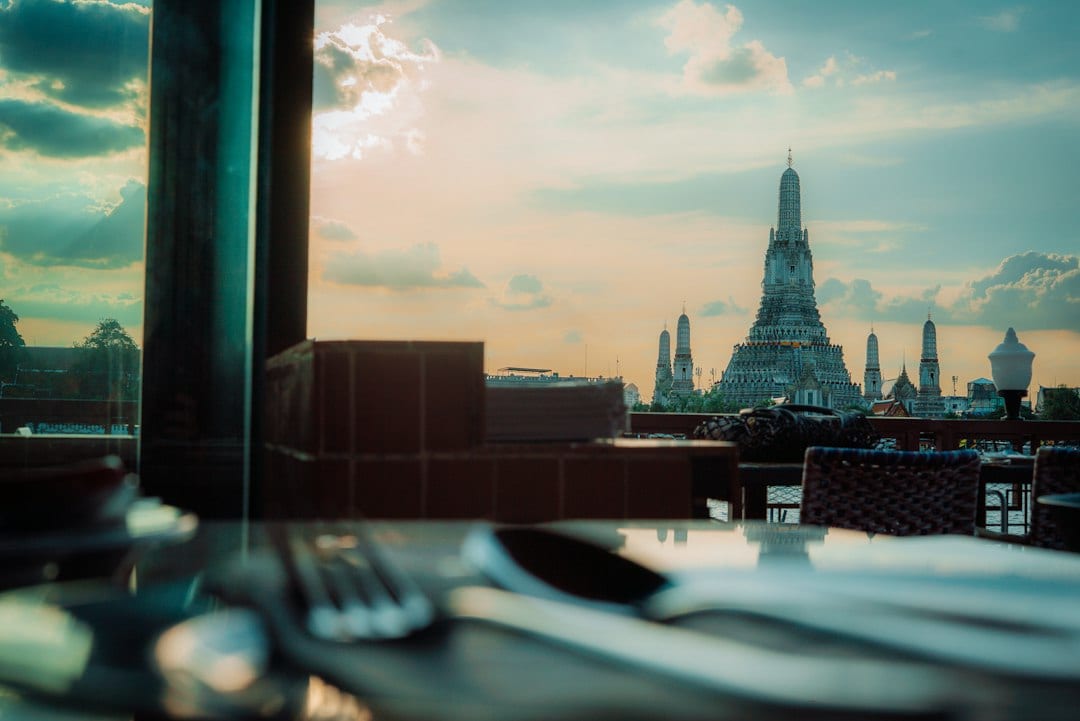
Thai temples are living places of worship, not open-air museums. Monks pray, locals meditate, and families make offerings throughout the day. Because a temple is a space for accumulating merit, visitors are expected to dress and behave in ways that preserve its calm energy.
Dress modestly, even in tropical heat
- Cover your shoulders and knees. Sleeveless tops, tank tops, short shorts, and miniskirts are generally not allowed inside main halls. Lightweight linen pants and a loose blouse are your best friends.
- Avoid sheer or tight clothing. Temple volunteers are often stricter than they appear; a see-through scarf over a sleeveless dress may still be refused.
- Bring a sarong or shawl. Many temples, including Wat Phra Kaew and Wat Pho in Bangkok, rent cover-ups for a small donation of around ฿20–50.
Remove shoes and watch your feet
In Thailand, the head is the most sacred part of the body and the feet are the lowest. That belief shapes almost every temple rule.
- Leave shoes outside. Look for the shoe racks at the entrance of the viharn or ubosot. Step out neatly and avoid blocking the doorway.
- Never point your feet at a Buddha image. Sit with your legs tucked to one side rather than stretched out with soles facing the altar.
- Do not turn your back to the Buddha for a selfie. If you want a photo, face the image and crouch slightly so you stay lower than the Buddha statue.
- Women should not touch monks or hand objects directly to them. Place an offering or donation on the monk’s cloth or ask a male companion to pass it.
Keep the atmosphere reverent
Silence your phone, lower your voice, and avoid public displays of affection inside temple grounds. When passing seated monks, lower your head slightly as a sign of respect. The goal is not to perform perfection, but to avoid disturbing those who came to pray.
The Wai Greeting: When and How to Return It
The wai is the Thai greeting of palms pressed together with a slight bow. It carries the same warmth as a Filipino handshake or beso-beso, but with a clearer hierarchy built into the gesture.
The height of your hands signals respect. Fingertips near the chest are casual, near the nose show respect to elders or social superiors, and near the forehead are reserved for monks and royal images. The deeper the bow, the greater the respect.
| Who greets you | How to respond |
|---|---|
| Monk or sacred image | Return a higher wai, fingertips near forehead, with a deeper bow |
| Elder or respected person | Return with hands at nose level and a gentle bow |
| Service staff, child, or vendor | A warm smile and nod is enough; a small return wai is also polite |
Filipinos do not need to initiate the wai to everyone. A handshake is still acceptable in business settings, and a sincere smile is always the safest fallback. If someone wais you first, returning it shows goodwill. Pair the gesture with sawasdee krap if you are male or sawasdee ka if you are female.
Dining Etiquette: Chopsticks, Sharing, and Street Food
Thai meals are social by design. Dishes arrive at the center of the table and everyone shares. For Filipinos used to family-style ulam and rice, the rhythm will feel familiar, but a few rules are unique to Thailand.
Chopstick and spoon taboos
- Never stick chopsticks upright in a bowl of rice. This resembles incense burned for the dead and is considered highly inauspicious.
- Do not pass food directly from chopstick to chopstick. This also evokes funeral rituals.
- Use the spoon as your main eating utensil. In Thailand, the fork is used to push food onto the spoon; it is not usually lifted to the mouth.
- Avoid licking or pointing with chopsticks. Rest them horizontally across your plate or bowl when not in use.
Sharing dishes with grace
Take a modest first portion and let elders begin eating before you dig in. Use the serving spoon rather than your own utensils to transfer food. It is polite to leave the last piece on the plate after offering it to others; taking it without asking can appear greedy. Compliment the cook with a simple aroi (delicious).
Street-food politeness
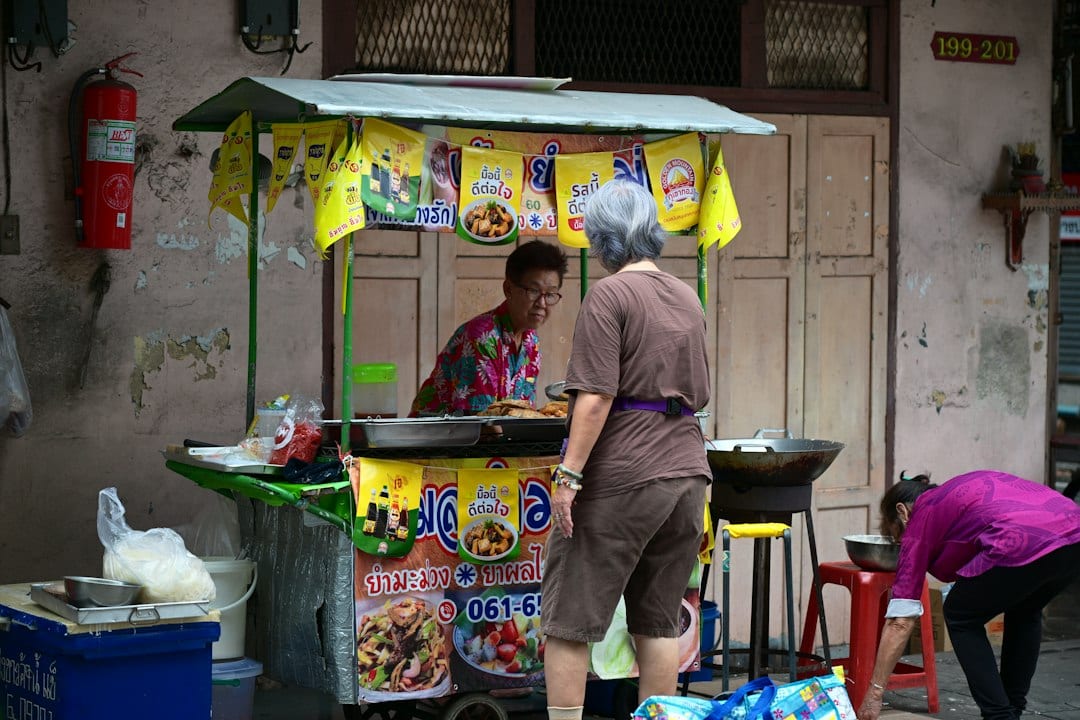
- Queue and wait your turn. Popular stalls in places like Yaowarat or Chiang Mai’s Sunday Walking Street draw long but orderly lines.
- Order by pointing or holding up fingers. A quick mai pet (not spicy) or pet nit noi (a little spicy) helps if you prefer milder flavors.
- Do not bargain over food prices. Food stalls have fixed prices. Bargaining is reserved for souvenirs, clothing, and tourist goods.
- Pay after receiving and clear your spot. Seats are often shared, so eat, return the bowl, and make room for the next customer.
Planning your Thailand itinerary? Mesho’s travel specialists can brief you on etiquette, arrange local guides, and build a respectful route from Meycauayan through Bangkok, Chiang Mai, or Phuket. Message us on WhatsApp for a free consultation.
Social Norms: Royalty, Affection, and Bargaining
Beyond temples and dining tables, a few unwritten rules shape public life in Thailand. Understanding them helps you avoid awkward moments and shows that you see the country as more than a backdrop for photos.
Respect for the royal family
The Thai monarchy is deeply revered. Stand quietly when the royal anthem plays in cinemas or at public events. Handle banknotes and coins carefully because they bear the king’s image; stepping on money or crumpling it is offensive. Avoid casual criticism or jokes about the royal family, both in person and online.
Keep public affection modest
Holding hands is fine, but passionate kissing, long embraces, or loud flirtation in public will draw disapproval, especially near temples, schools, or conservative neighborhoods. Thai culture values restraint in shared spaces.
Bargain with a smile
Bargaining is expected at markets like Chatuchak, Patpong, and Chiang Mai’s Night Bazaar, but it should feel like friendly banter, not combat. Start by asking lot dai mai? (can you reduce the price?). A discount of 20–30% is often possible. In malls, convenience stores, and restaurants, prices are fixed. If the vendor will not budge, accept it with a smile and walk away without argument.
Why Etiquette Matters: Buddhist Values in Daily Life
Many Thai customs trace back to Theravada Buddhism and the value placed on harmony. The popular phrase jai yen yen means “cool heart,” and it encourages people to stay calm, avoid confrontation, and not make others lose face. When you dress modestly, speak softly, and return a wai, you are participating in that shared goal of keeping social energy peaceful.
“In Thailand, etiquette is less about following a rulebook and more about showing that you care about the people around you.”
The idea of sanuk—finding pleasure and lightness in everyday moments—also matters. Even serious rituals are often performed with warmth and humor. As a visitor, you do not need to be flawless. A genuine attempt to respect local norms, paired with a smile, is usually met with patience and kindness.
Frequently Asked Questions
Should I wai back to hotel staff or taxi drivers?
If a service staff member greets you with a wai, a warm smile or a small return wai is polite. You are not expected to initiate the gesture to every waiter, cleaner, or driver.
Can I wear sandals when visiting Thai temples?
Sandals are fine outside temple buildings, but you must remove them before entering any sacred hall. Easy slip-on sandals make this much smoother than lace-up sneakers.
Is it okay to photograph Buddha statues inside temples?
Personal photography is usually allowed, but never turn your back to a Buddha image for a selfie. Some halls prohibit photos entirely, so watch for posted signs and follow the lead of local visitors.
Quick Takeaways
- Cover shoulders and knees; remove shoes before entering temple halls.
- Return a wai with palms together; use a higher hand position for monks and elders.
- Never stick chopsticks upright in rice or pass food chopstick-to-chopstick.
- Stand for the royal anthem and treat images of the king with respect.
- Keep public affection modest and bargain with a smile, not aggression.
Related Reading
- Explore Mesho’s Thailand destination page for packages, highlights, and sample itineraries.
- Hoi An Ancient Town: A Filipino Traveler’s Evening Lantern Walk and Cultural Etiquette Guide
- Bali Beyond the Beach: Temples, Traditions & Cultural Experiences
- Southeast Asia Budget Travel Guide for Filipinos 2026: Daily Costs in PHP
Author’s note: Marco Dela Cruz is an ASEAN Travel Consultant at Mesho Travel and Tours, focused on land, sea, and air routing for Filipino travelers across Southeast Asia. He has helped families and groups from Meycauayan and Metro Manila navigate Thailand’s temples, markets, and transport hubs with confidence.
Ready to experience Thailand with respect and curiosity?
Let Mesho curate your Thailand cultural journey. Our Thailand packages start at ₱38,000, with personalized guidance on etiquette, local guides, and seamless routing from Meycauayan.
Email Our Team Call +63 906 053 9130


