


You have just finished sunrise at the Taj Mahal, spent an afternoon haggling in Jaipur’s bazaars, and now you are staring at a Ranthambore safari booking page, wondering if the money is worth the gamble. Tigers are wild. There is no guarantee. But the difference between a hopeful traveler and a prepared one is knowledge: which zones actually produce sightings, whether the morning or afternoon shift favors your camera, and what to wear when dust, conservative dress norms, and a 5 a.m. alarm all converge on the same day.
This guide is written for Filipino nature lovers and wildlife photographers who want to add Ranthambore National Park to a Golden Triangle circuit without the guesswork. We will walk you through the ten safari zones, permit booking, morning versus afternoon game drives, packing and etiquette, and exactly how this stop fits between Jaipur and Delhi.
Why Add Ranthambore to Your Golden Triangle Route?
Most Golden Triangle itineraries move in a straight line: Delhi, Agra, Jaipur, then back to the airport. Ranthambore breaks that loop with dry-deciduous forest, ruined Rajput fortresses, and one of the highest tiger densities in India. The park sits near the town of Sawai Madhopur in eastern Rajasthan, roughly halfway between Jaipur and Agra by road, which makes it a natural extension rather than a detour.
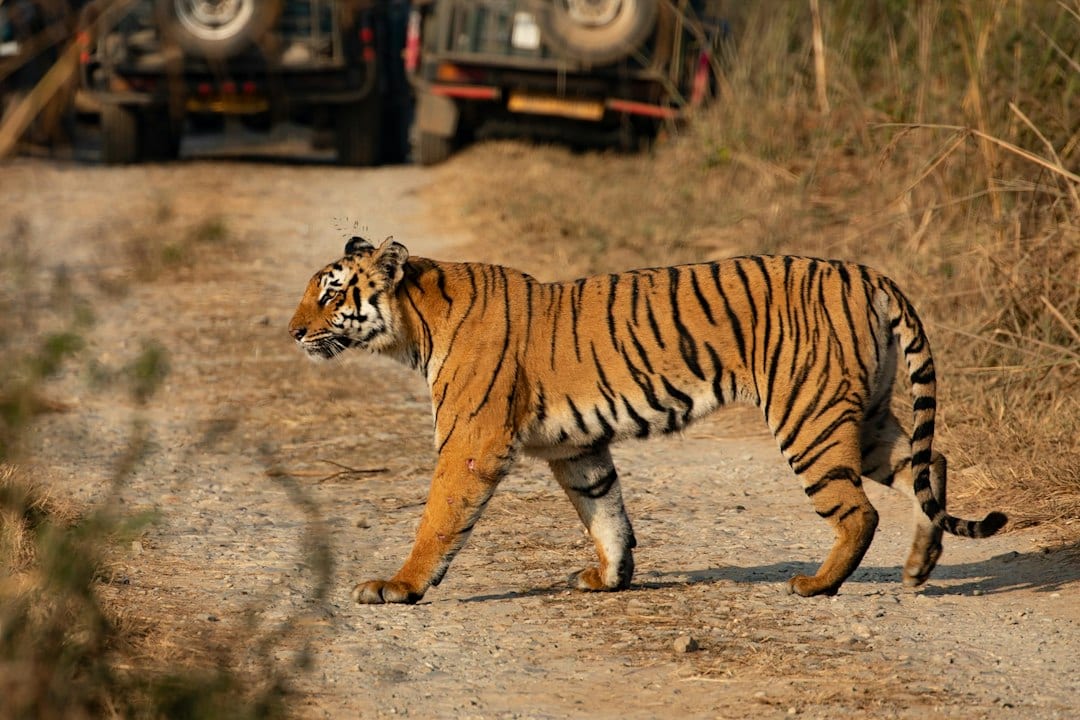
For many Filipino travelers, Ranthambore is the first real wildlife experience in South Asia. Unlike African savannas where animals roam open plains, tigers here move through high grass, rocky outcrops, and ancient banyan trees. The anticipation builds in whispers: a pugmark in the dust, langur monkeys barking from the canopy, the sudden silence of birds. Then, if luck and preparation align, an orange shape materializes on the track ahead.
How Ranthambore's 10 Safari Zones Work
Ranthambore is divided into ten safari zones, and your permit specifies exactly which zone you will enter. You cannot switch zones on the day. Guides and drivers know each zone’s current territorial cats, water holes, and recent kills, so your zone assignment matters more than the time of day.
Zones 1 to 5: The Core Sighting Circuit
- Zone 1 (Singhdwar): Once considered a buffer zone, it now produces some of the park’s most reliable tiger sightings, especially in summer when cats follow prey toward water.
- Zone 2: A compact zone with varied terrain — grassland, hills, and water bodies — making it a photographer favorite for close encounters.
- Zone 3 (Padam Talao): Arguably the most scenic zone, with the iconic Ranthambore Fort backdrop and Jogi Mahal. Tigers here are often spotted near the lake.
- Zone 4 (Malik Talao): Famous for the tigress T-19 (Krishna) lineage and regular sightings around the lake and nearby ruins.
- Zone 5: Shares boundaries with Zone 4 and offers similar water-hole activity but receives fewer vehicles, which can mean a more relaxed drive.
Zones 6 to 10: Quieter but Not Empty
Zones 6 through 10 are often marketed as “lesser” zones, but that is misleading. They cover different parts of the reserve, including Kundal, Balas, and Lahpur. Sightings can be fewer simply because fewer vehicles enter, not because tigers are absent. If you want landscape photography, birdlife, or the feeling of being alone in the forest, these zones deliver.
Booking Your Permit in Advance
Permits open roughly 90 days ahead on the official Rajasthan wildlife booking portal. During peak season (October to April), the best zones sell out fast. You will need a passport copy and a clear photograph at the time of booking.
| Vehicle Type | Seats | Best For |
|---|---|---|
| Gypsy (open 4WD) | 6 | Photographers, small groups, quieter approach |
| Canter (open truck) | 20 | Budget travelers, families, higher vantage point |
“Do not leave zone selection to chance. A good operator will ask which cat territories are active before locking in your permit, because a Zone 3 permit is only valuable if a tiger is actually using Zone 3 that week.”
Morning vs. Afternoon Safari: Activity, Light, and Temperature
Ranthambore runs two shifts per day. Exact times shift with sunrise and sunset, but winter schedules are typically 7:00–10:30 a.m. and 2:00–5:30 p.m.; summer shifts start earlier, around 6:00 a.m. and 3:30 p.m.
| Factor | Morning Shift | Afternoon Shift |
|---|---|---|
| Animal activity | Higher; cats return from overnight patrols | Good if water sources are active, especially in summer |
| Photography light | Soft, warm sidelight and long shadows | Harsh midday light early; golden hour near closing |
| Temperature | Cold in winter; bring layers | Warm to hot; dust and glare are stronger |
| Crowds | Popular; book first | Slightly easier to secure |
If you can only afford one safari, choose the morning for better odds and nicer light. If you have two or three, mix both shifts: a morning run for action and an afternoon run for water-hole stakeouts. Professional wildlife photographers often book consecutive mornings in the same zone to learn the local cat’s routine.
What to Wear and Pack for a Dry-Season Safari
Rajasthan’s dry season runs from October through April. Days are warm, mornings are cold, and the fine red dust finds its way into every camera bag. Dressing well keeps you comfortable, respectful, and photographically mobile.
Clothing
- Neutral earth tones: Khaki, olive, beige, and brown blend with the landscape and do not distract animals. Avoid white, black, and bright colors.
- Long sleeves and long pants: Even in heat, they protect against sun, dust, and thorny brush. Lightweight cotton or linen breathes best.
- Layering for dawn: A fleece or down jacket is essential from December to February, when temperatures can dip below 10°C.
- Conservative norms: Inside the park, covered shoulders and knees are respectful. In Sawai Madhopur town and near temples, avoid shorts, crop tops, and revealing clothing.
- Closed shoes: Trail runners or light hiking boots; sandals let dust in and offer little protection.
Gear and Protection
- Dust protection: A buff or bandana, plus a rain cover for your camera bag. Ziplock bags are useful for phones and backup batteries.
- Sunscreen and sunglasses: SPF 50+ and polarized lenses; the sun is strong and reflected glare off pale dust is intense.
- Insect repellent: Mosquitoes are fewer in winter, but dawn and dusk still attract them.
- Binoculars: Even with a telephoto lens, a pair of 8x42 binoculars helps scan distant hillsides.
- Reusable water bottle: Most hotels will fill it; single-use plastic is restricted inside the park.
Photography and Wildlife Etiquette
A tiger sighting can turn a quiet jeep into a flurry of shutter clicks and whispered excitement. Keeping your composure protects both the animal and your photographs.
- Silence your phone and disable flash: Flash photography is prohibited and can startle wildlife. Keep ringtones off before entering the gate.
- Stay seated: Standing up or leaning out of the vehicle changes the animal’s behavior and risks your safety. Compose shots from a seated position.
- Follow the guide’s signals: Naturalists will tell you when to whisper, when to lower your voice further, and when it is time to leave.
- Do not call out or mimic calls: Human noises stress animals and can cause a sighting to end quickly.
- Keep a respectful distance: Maintain at least 20 meters when possible. If a tiger chooses to walk past your jeep, stay still and let it pass.
- No litter and no feeding: Even biodegradable scraps alter animal behavior and are illegal inside the reserve.
“The best tiger photograph is not the closest one. It is the one taken while the cat is behaving naturally, unconcerned by the vehicle beside it.”
Fitting Ranthambore into Your Golden Triangle Itinerary
Ranthambore adds two to three nights to a standard Golden Triangle route, usually after Jaipur and before the return to Delhi or Agra. The park is accessible enough that you do not need a domestic flight.
Travel Connections
- From Jaipur: About 180 km by road, roughly 3.5 to 4.5 hours depending on traffic.
- By train: Sawai Madhopur Junction is well connected to Jaipur (around 2 hours on trains like the Shatabdi or Jan Shatabdi) and Delhi (around 4.5 to 6 hours).
- To Agra: Ranthambore to Agra is about 230 km and takes 4.5 to 5.5 hours by car, making it a logical next stop after the park.
How Many Nights to Stay
Two nights allows one morning and one afternoon safari. Three nights gives you three or four drives and a buffer in case one day is quiet. Because sightings are never guaranteed, a second morning drive significantly improves your odds.
Budget Estimate in Philippine Peso
Costs fluctuate with season and exchange rates, but these figures will help you plan an add-on for one person sharing a jeep with five others.
| Item | Approximate PHP | Notes |
|---|---|---|
| Gypsy safari seat | ₱850 – ₱1,200 | Sharing a 6-seater; full gypsy hire higher |
| Canter safari seat | ₱600 – ₱850 | Budget option, 20 seats |
| Mid-range lodge per night | ₱4,000 – ₱8,000 | Double occupancy, breakfast often included |
| Private car Jaipur–Ranthambore | ₱5,500 – ₱8,500 | One way, sedan with driver |
| Guide and driver tips | ₱250 – ₱600 per safari | At your discretion |
A two-night Ranthambore add-on typically ranges from ₱18,000 to ₱30,000 per person excluding flights, assuming shared jeep safaris and a comfortable lodge.
Planning your Golden Triangle extension? Mesho’s Golden Triangle with Ranthambore package handles permits, zone selection, lodge reservations, and transfers from Jaipur so you can focus on the sighting, not the paperwork.
Quick Takeaways
- Book permits 90 days ahead; Zones 1–5 generally offer the best sighting odds, but Zones 6–10 can surprise you with solitude and scenery.
- Choose the morning shift for light and activity; add an afternoon shift for water-hole behavior, especially in hotter months.
- Wear earth-toned layers, closed shoes, and a dust mask or buff; respect conservative dress codes in town.
- Stay seated, silent, and flash-free around tigers; let the guide manage the encounter.
- Allow at least two nights and three safaris; Ranthambore is roughly 4 hours from Jaipur and 5 hours from Agra by road.
Ready to Track Tigers in Ranthambore?
A tiger sighting is never guaranteed, but the right zone, the right light, and the right guidance tilt the odds in your favor. If you are already building a Golden Triangle itinerary, Ranthambore is the wildlife chapter that turns a heritage trip into a complete Indian adventure.
Explore Mesho’s Golden Triangle with Ranthambore Tour
Related Reading
- India Train Travel for First-Timers: A Survival Guide for Filipino Travelers
- Golden Triangle with Ranthambore Tour Package
Author note: Priya Aquino-Menon is a South Asia travel editor with Filipino-Indian roots. She writes on Indian entry logistics, cultural context, and wildlife routes so Filipino travelers arrive prepared, respectful, and ready for the moment a tiger steps into the road.


