


There is a moment on every Indian train journey when the morning light cracks over the Punjab wheat fields and the chaiwallah's call echoes down the corridor. The carriage fills with the clatter of steel glasses and the smell of cardamom. For a few minutes, you forget the booking headaches, the platform confusion, and the warnings from well-meaning titas back home.
But let's be honest. The first time you face the IRCTC website, read a waitlisted PNR status, or step onto a heaving platform at New Delhi Railway Station, romance is the last thing on your mind. Indian Railways moves over 13 million people daily. It is one of humanity's great logistical marvels—and it can feel utterly overwhelming if you arrive unprepared.
This guide is written for Filipino travelers who want to trade the airport conveyor belt for something more extraordinary. You will learn how to book tickets with a Philippine mobile number, which class offers the best comfort for our tropical-climate expectations, how to keep yourself and your belongings safe on overnight journeys, and what to pack so you arrive in Varanasi or Jaipur feeling human instead of haggard.
Booking Your Ticket: The IRCTC Maze
Indian Railways tickets are sold through IRCTC, the official booking portal. For foreigners, the process has improved but still carries friction. Philippine passport holders need a confirmed ticket before boarding—there is no turn-up-and-go option on long-distance routes.
Registration with a Foreign Number
Start at irctc.co.in. When creating an account, select +63 for your Philippine mobile number. The OTP usually arrives within 30 seconds on Globe or Smart. If it fails, switch to the IRCTC Rail Connect app, which handles international SMS more reliably than the desktop site.
- Use your exact passport name. Discrepancies mean denied boarding.
- Book Tatkal tickets (released one day before travel) only if you are comfortable with 8:00 AM India-time pressure. Tatkal sells out in minutes.
- For peace of mind, book 60 days ahead when reservations open. Popular routes like Delhi–Agra or Mumbai–Goa fill fast.
When IRCTC Won't Cooperate
If the site rejects your foreign number or glitches on payment, use ClearTrip or 12Go Asia. They charge a modest service fee (around ₹50–150 or ₱35–100) but accept Philippine credit cards reliably. Another option is booking through a registered Indian travel agent before you fly—Mesho can handle this as part of an India tour package so you skip the bureaucracy entirely.
Choosing Your Class: Comfort vs Cost
Indian trains are divided into classes that sound similar but feel worlds apart. Picking the right one determines whether you sleep soundly or spend eight hours wondering why you didn't just fly.
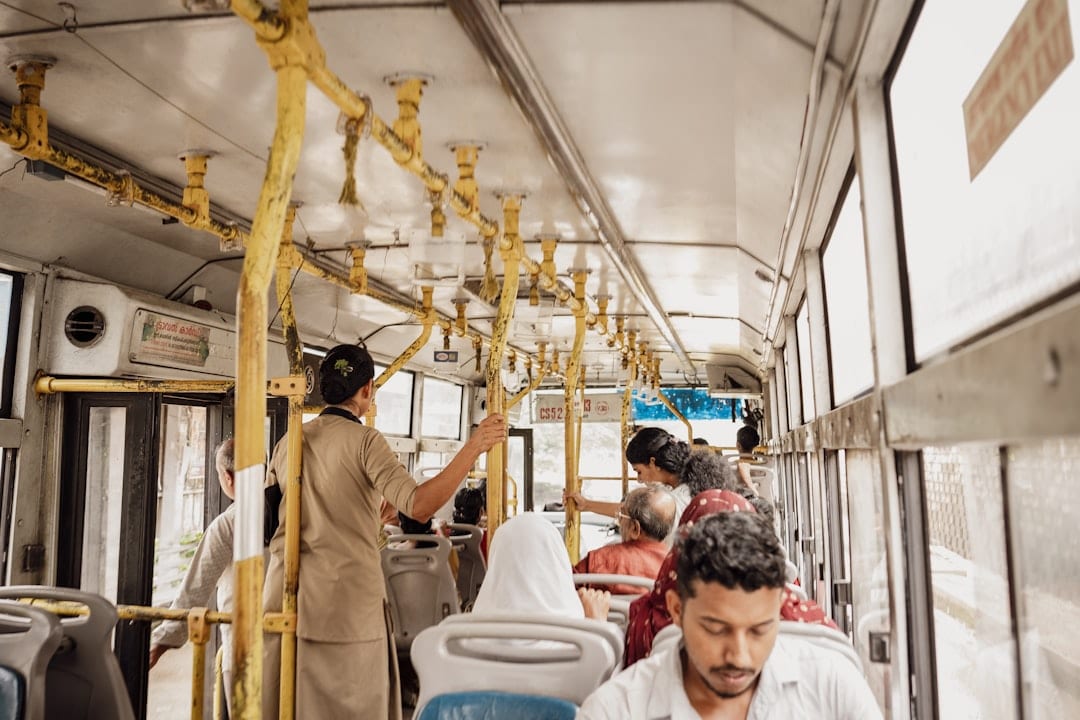
AC 3-tier offers the best balance of comfort and value for Filipino travelers new to Indian Railways.
| Class | Berth Setup | AC? | Approx. Fare (Delhi–Jaipur, 5 hrs) |
|---|---|---|---|
| AC 2-Tier (2A) | Two berths per side, curtains, wider beds | Yes | ₱1,800–2,400 |
| AC 3-Tier (3A) | Three berths per side, no curtains | Yes | ₱1,200–1,600 |
| Sleeper (SL) | Three berths per side, open windows, fans | No | ₱400–600 |
AC 2-Tier (2A)
Think of this as business class on rails. Only four berths per compartment, privacy curtains, clean bedding, and attendants who replenish water bottles. If you are sensitive to heat, value sleep, or traveling overnight on a 12-hour sector like Delhi–Varanasi, 2A is worth the premium.
AC 3-Tier (3A)
This is the sweet spot for most Filipino first-timers. You get air-conditioning, sealed windows, and allocated bedding. Yes, there are six people in your compartment, but the atmosphere is social rather than chaotic. Families share snacks. Someone always has a phone charger. The middle berth stays folded during daytime hours, so you can sit upright and watch Rajasthan deserts scroll past your window.
Sleeper Class (SL)
Unreserved, unairconditioned, and undeniably authentic. Sleeper class is where you will find the chaiwallahs, the singing groups, and the most vivid slices of Indian life. It is also where you will find dust, heat, and limited security. For journeys under four hours, it is an adventure. For overnight travel, it is a test of endurance. If you are curious but cautious, try SL on a short daytime hop like Agra–Gwalior before committing to a longer ride.
The Verdict for Filipino Travelers
For your first India train experience, book AC 3-Tier. It mirrors the comfort level of a Philippine provincial bus with aircon, but with lie-flat beds and far better scenery. Upgrade to 2A for overnight sectors or if you are traveling solo and want extra peace of mind.
Safety Protocols for Solo Travelers
Indian trains are generally safe, but the sheer scale of the network means you should travel smart. These protocols come from years of riding the network and listening to station masters who have seen every scam twice.
Securing Your Belongings
Bring a small combination padlock and a length of chain. Loop the chain through your bag handles and lock it to the berth frame before you sleep. Do not rely solely on zippers. Keep your passport, phone, and cash in a waist pouch or hidden neck wallet—never in an overhead rack bag. If you step off at a station stop, take valuables with you. Platform thefts during 2-minute halts are rare but not impossible.
Choosing Your Berth
Solo female travelers should prioritize upper berth or side upper berth in AC coaches. These are harder for wandering hands to reach and offer a degree of separation. Couples and groups fare better with side lower berths, which convert into two facing seats during the day. Avoid the main lower berth if you are a light sleeper; it doubles as communal seating until 10:00 PM.
Food Safety on the Rails
The chai from platform vendors is part of the ritual. It is also boiled, which makes it safer than it looks. Stick to hot, freshly cooked items and avoid anything that has been sitting under a glass case for hours. In AC coaches, you can pre-order meals through the eCatering IRCTC app—food is prepared at station kitchens with hygiene certification and delivered to your seat. It costs more than platform snacks (₱150–300 per meal) but removes the guesswork entirely.
Navigating Stations Like a Local
Indian railway stations are theater. Hawkers, porters, families sleeping on newspapers, and sudden platform announcements in three languages. The key is knowing which signals matter and which noise to filter out.
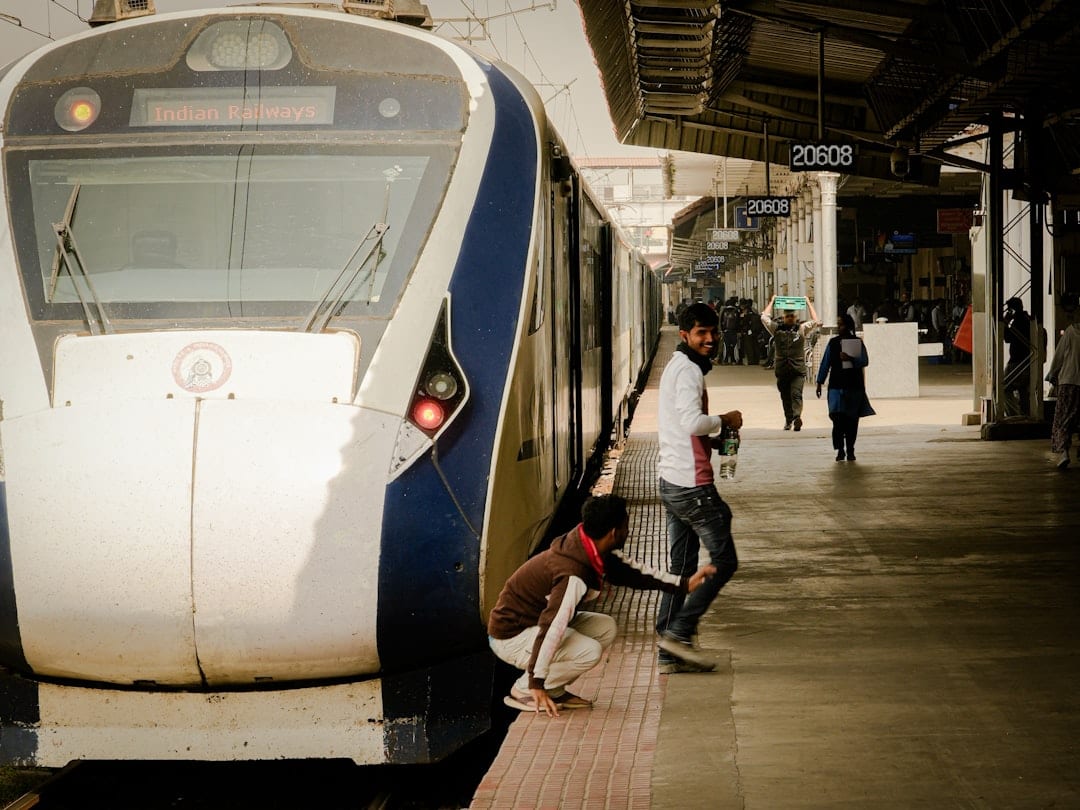
Major stations like New Delhi and Mumbai CST bustle with energy—know your platform and coach position before arrival.
Reading Your PNR Status
Your PNR (Passenger Name Record) is a 10-digit code printed on your ticket. Download the Where is My Train app or check confirmtkt.com to see if your waitlisted ticket has confirmed. A CNF status means you have a berth. RAC means you can board but may share a berth. WL means waitlisted—do not board without confirming first. If your ticket remains waitlisted after the chart is prepared (four hours before departure), it is automatically cancelled and refunded.
Platform Changes and Porters
Platforms change. Frequently. Check the station display boards the moment you arrive and again 20 minutes before departure. If you are hauling luggage across platforms at Howrah or Chennai Central, hire a licensed porter. They wear red shirts at most major stations. Tip ₱70–140 (₹100–200) per large bag for a platform transfer. Negotiate the rate before they lift anything.
The Hygiene Kit & Staying Healthy
This is where preparation pays off. Indian train toilets range from acceptable in AC coaches to challenging in Sleeper class. The food is delicious but your stomach may need time to adapt. Pack defensively.
Your Essential Kit
- Hand sanitizer (100ml+): Use it before every meal and after touching handles.
- Wet wipes and tissue paper: Train bathrooms rarely provide toilet paper.
- Flip-flops for the bathroom: Non-negotiable. Keep them in a plastic bag.
- Sheet sleeping bag or lightweight liner: AC coaches provide bedding, but a personal liner adds peace of mind.
- Mosquito repellent: Essential for open-window Sleeper class and station waits.
- Refillable water bottle with filter: Or buy sealed bottled water (Bisleri, Aquafina) at stations.
Preventing Delhi Belly
Start taking a probiotic three days before your trip. On the train, follow the peel-it, boil-it, cook-it, or forget-it rule. Freshly fried samosas from a busy vendor are generally safer than a raw salad from a quiet stall. Avoid ice in drinks unless you watched it come from a sealed mineral-water freeze. Pack oral rehydration salts and loperamide in your day bag—not buried in your main luggage.
"The train does not just take you from Delhi to Jaipur. It teaches you patience. You learn that a six-hour delay is not a crisis but a conversation. That is the real India—unhurried, unscripted, and impossible to find at 35,000 feet."
Planning your India rail journey?
Mesho Travel And Tours can secure your confirmed train tickets, arrange station transfers, and build a full itinerary around your preferred routes. Skip the IRCTC stress and focus on the chai.
Explore India Tour PackagesThe Magic Between Stations
For all the logistics, the real reward of Indian train travel is what happens in the spaces between departure and arrival. It is the village boy waving at every carriage from a dusty field. It is the auntie in the next berth insisting you try her homemade thepla. It is waking at 5:00 AM as the train crosses the Chambal River and the sky turns from ink-blue to rose-gold.
You will learn to read the rhythm of the coach: the gentle rocking that lulls you to sleep, the sudden braking that means a station approach, the collective murmur when someone spots a monkey troop on a rooftop. These are the moments no airport lounge can replicate.
If you are traveling from the Philippines, think of it as the difference between a Cebu–Bohol fast ferry and a Palawan bangka at sunset. One gets you there. The other shows you there.
Quick Takeaways
- Book early via IRCTC or an agent; use AC 3-Tier for your first journey.
- Lock your bag to the berth frame and sleep on upper berths when solo.
- Pack a hygiene kit with wet wipes, flip-flops, and hand sanitizer.
- Stick to hot, cooked food and carry oral rehydration salts.
- Check PNR status before boarding and confirm platform numbers on arrival.
Related Reading
-
Little India and Kampong Glam: A Cultural Neighborhood Walk for Filipino Travelers
Get a taste of Indian culture closer to home before your big trip.
-
Tokyo Transit Mastery: Suica, Pasmo, and Navigating the Train Network
Another Asian rail system decoded for Filipino travelers.
-
Philippines Domestic Travel 2026: Essential Planning Tips for Filipino Explorers
Hone your travel instincts at home before taking on India.
About the Author: Priya Aquino-Menon is a South Asia travel consultant with Filipino-Indian heritage. She specializes in Indian visa logistics, rail routing, and cultural immersion for Southeast Asian travelers departing from the Philippines.
Priya has ridden Indian Railways from Kanyakumari to Kashmir and believes the best India itineraries combine practical preparation with openness to the unexpected. She works with Mesho Travel And Tours to help Filipino travelers navigate the subcontinent with confidence.
Ready to Experience India by Rail?
Let Mesho curate your Indian Railways journey—from confirmed AC berths and station transfers to guided city experiences in Delhi, Agra, Jaipur, and beyond. Travel the country the way Indians do, with the comfort and support you need.
Explore India Tour Packages


