


You have spent months saving for this cruise. The itinerary is perfect — Naha, Miyakojima, perhaps a glimpse of Taiwan or Vietnam — and your cabin is booked. But two weeks before sailing, a familiar worry creeps in: What if I get seasick? For many Filipino travelers, especially first-time cruisers departing from Manila or Hong Kong, the fear of motion sickness is the single biggest reason they hesitate to book a voyage. It is also one of the most manageable concerns in all of travel.
The good news? Modern cruise ships are engineered for stability, and a handful of smart preparations can make the difference between a miserable sea day and a seamless one. In this guide, you will learn why motion sickness happens on ships versus other transport, how to choose the right cabin, what remedies are available in Philippine drugstores and onboard, natural tactics that actually work, and exactly what to do if symptoms strike mid-voyage. Consider this your safety net — so you can focus on the horizon, not the swell.
Why Motion Sickness Feels Different at Sea
Motion sickness is not weakness. It is a physiological mismatch between what your eyes see and what your inner ear senses. On land, your body adjusts quickly to curves and bumps. At sea, the rolling motion of a ship introduces a slow, rhythmic sway that your vestibular system struggles to reconcile — especially when you are inside a windowless cabin and your eyes tell you the room is still.
Cruise ships are far more stable than small vessels. Stabilizers — wing-like structures beneath the waterline — reduce roll by up to 90%. Still, certain conditions override even the best engineering:
- Crossing open ocean — sea days between the Philippines and Japan, for example, expose the ship to stronger swells than coastal routes.
- Typhoon-season sailing — June through October in the Western Pacific can bring choppy waters even on well-planned itineraries.
- Individual sensitivity — if you feel queasy on long bus rides through mountain passes or on smaller ferries to Boracay or Coron, you are more likely to feel it at sea.
The key difference from land travel is duration. A bumpy bus ride ends in hours. A cruise lasts days. That is why prevention matters more than treatment once symptoms start.
Cabin Location: Your First Line of Defense
Where you sleep on a cruise ship matters more than most travelers realize. Ship motion follows a simple rule: the closer you are to the ship's center of gravity, the less you feel the movement. That means midship and lower decks are your allies.
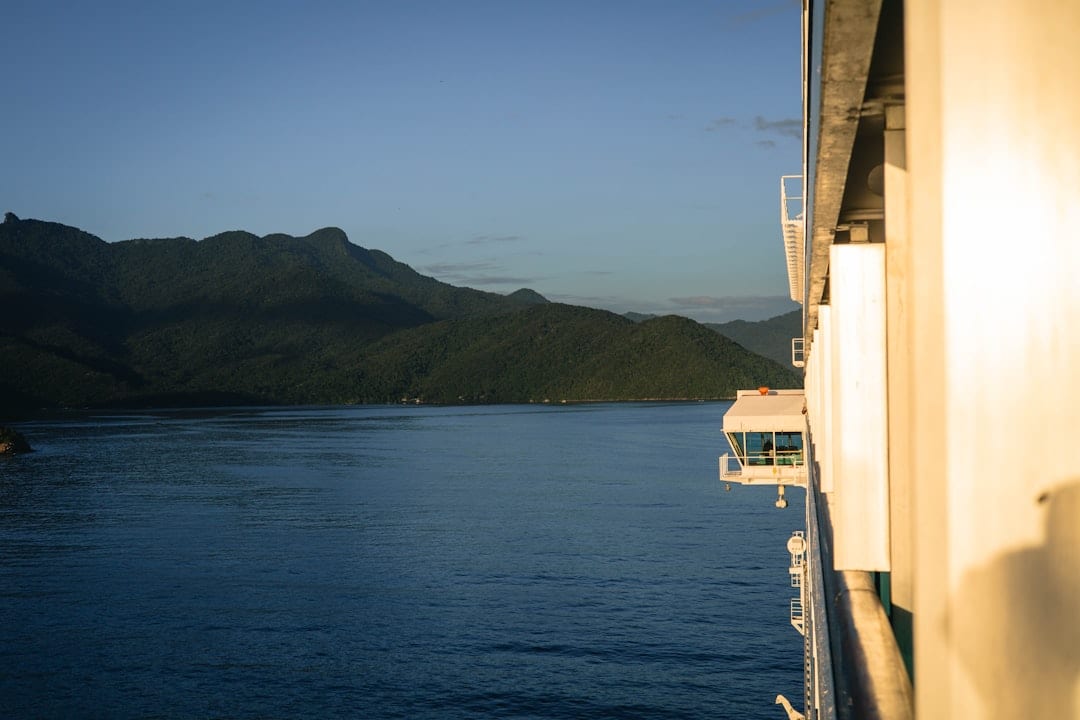
The Best Cabins for Motion Sensitivity
| Cabin Feature | Why It Helps | Typical Cost Impact |
|---|---|---|
| Midship | Center of the ship experiences the least rocking motion from bow to stern. | Standard — no premium. |
| Lower decks | Closer to the waterline = less vertical sway. | Standard — no premium. |
| Balcony cabin | Visual horizon reference helps the brain reconcile motion signals. | +PHP 15,000–40,000 above interior on 7-day cruises. |
| Interior cabin | No window means no horizon reference — often worsens symptoms. | Most affordable, but higher seasickness risk. |
How to Request the Right Cabin
When booking through Mesho's cruise packages, tell your travel specialist upfront that you are sensitive to motion. We can flag your reservation for a midship cabin on Deck 4, 5, or 6 — typically the sweet spot for stability. If you are booking independently, look for cabin codes like:
- Standard Balcony (Category BF–BA on Royal Caribbean) — midship, decks 6–10.
- Oceanview (Category OF–OC on MSC) — lower decks, fixed window, budget-friendly alternative to balcony.
- Avoid cabins directly above theaters, nightclubs, or engine rooms — vibration compounds the sensation of motion.
Request the cabin at booking, not at check-in. Ship manifests are finalized weeks in advance, and last-minute changes are rarely possible without a category upgrade fee.
Over-the-Counter Remedies: What Works and Where to Find It
You do not need a prescription for most motion sickness medications — but you do need to know what to buy, when to take it, and what side effects to expect. Here is what is available in Philippine drugstores and what cruise ship medical centers stock.
Pharmacy Options in the Philippines
| Medication | How It Works | Typical Cost (PHP) | Key Note |
|---|---|---|---|
| Dimenhydrinate (Dramamine) | Blocks signals to the brain's vomiting center. | PHP 120–180 per pack (Watsons, Mercury Drug) | Take 1 hour before sailing; may cause drowsiness. |
| Meclizine (Bonamine) | Longer-acting antihistamine with less sedation. | PHP 150–220 per pack | Take 1 hour before; lasts 8–24 hours. Preferred by frequent cruisers. |
| Scopolamine patch (Transderm) | Prescription-only in PH; patch behind ear releases medication over 72 hours. | PHP 1,500–2,500 (hospital prescription) | Apply 4 hours before sailing; highly effective for multi-day cruises. |
Pro tip from our desk: Bonamine is the go-to for most Filipino cruisers because it causes less drowsiness than Dramamine. If you have never taken it before, test it at home first — some people experience dry mouth or mild dizziness.
Onboard Medical Services
Every major cruise line — Royal Caribbean, MSC, NCL, Adora Cruises — operates a medical center staffed by licensed physicians and nurses. They stock the same medications you would find in a Manila pharmacy, but at a premium:
- Motion sickness injection (promethazine or similar): USD 100–150 (PHP 5,800–8,700) per dose.
- Oral medication: USD 15–25 (PHP 870–1,450) per pack — roughly 5× Manila prices.
- Consultation fee: USD 75–120 (PHP 4,350–6,960) even if you only need a pill.
Bring your own supply. Pack enough for the entire voyage plus two extra days in case of itinerary changes. Travel insurance with medical coverage is also essential — it typically reimburses onboard medical expenses.
Mid-article CTA: Planning your first cruise from Manila? Browse Mesho's curated cruise packages and let us handle cabin selection, insurance, and pre-departure briefings so you board with confidence.
Natural Prevention: What to Do (and Avoid) Before Sailing
Medication is not the only tool. Many experienced cruisers manage motion sensitivity through diet, pressure-point techniques, and simple behavioral habits. These methods work best as complements to medication, not replacements.
Evidence-Backed Natural Tactics
- Ginger — the most reliable natural option. Clinical studies suggest ginger root reduces nausea severity. Bring ginger tea bags, crystallized ginger, or ginger capsules (PHP 300–500 at Healthy Options). Sip ginger tea before boarding and at the first sign of discomfort. Avoid ginger ale — most brands contain little real ginger and too much sugar.
- Acupressure wristbands (P6 point). Bands like Sea-Band apply pressure to the inner wrist, about three finger-widths below the palm. Cost: PHP 400–700 per pair at Mercury Drug or online. They are non-invasive, reusable, and safe to combine with medication.
- Face the horizon. Your brain needs a stable visual reference. Spend time on the outer deck, look at the distant horizon, and avoid reading or staring at your phone in enclosed spaces.
- Fresh air and cool temperatures. Stuffy, warm cabins amplify nausea. Keep your cabin cool, step onto the balcony or promenade deck frequently, and avoid strong perfumes or food smells.
What to Avoid 12–24 Hours Before Sailing
- Heavy, greasy meals. Fatty foods slow digestion and increase stomach sensitivity.
- Alcohol. Dehydration and inner-ear disruption make symptoms worse.
- Excessive caffeine. It dehydrates and can trigger acid reflux, which mimics seasickness.
- Strong smells. Avoid perfumes, smoke, and pungent foods before boarding.
"I used to dread sea days. Then I switched to a midship balcony cabin, started taking Bonamine the night before, and packed ginger tea. On my last Adora cruise to Japan, I did not feel a thing — even when we crossed open water north of Luzon."
— Mesho traveler, Manila to Naha, March 2026
When Symptoms Get Severe: A Sea-Day Action Plan
Despite every precaution, some travelers still experience pronounced symptoms — persistent vomiting, dizziness, cold sweats, or inability to keep fluids down. Here is what to do, step by step.
Immediate Self-Care
- Stop moving. Lie down on your back in your cabin, facing the ceiling. Close your eyes or focus on a fixed point. Minimize head movement.
- Get to the center of the ship. If your cabin is forward or aft, move to a midship public area or request a cabin change at Guest Services (subject to availability).
- Sip small amounts of fluid. Room-temperature water, oral rehydration salts (bring Hydrite or Gatorade powder), or ginger tea. Avoid large gulps.
- Get fresh air. Step onto an outer deck, find a stable seat, and face the direction of travel while looking at the horizon.
When to Visit the Ship's Medical Center
Seek professional help if you experience any of the following:
- Vomiting more than three times in two hours
- Signs of dehydration (dark urine, dizziness when standing, dry mouth)
- Chest pain, severe headache, or confusion
- Symptoms persisting beyond 24 hours despite self-care
The medical center is typically located on a lower deck, midship. It operates 24 hours on sea days and during port calls. There is no appointment needed for emergencies. Bring your travel insurance details — most centers bill directly to your onboard account, which you can claim later.
How to Contact Onboard Medical Staff
- Dial 911 from your cabin phone — this is the standard emergency number across all major cruise lines.
- Use the cruise line's mobile app — most apps now include a "Medical" or "Guest Services" chat function.
- Visit Guest Services desk directly if you are mobile; they can radio the medical center or escort you.
For families traveling with children or elderly parents: assign one person to stay with the affected traveler while another contacts medical staff. The ship's crew is trained for this — you are not inconveniencing anyone.
Quick Summary: Your Motion-Sickness Prevention Checklist
- ✓ Book midship, lower-deck cabin — preferably with a balcony or oceanview window.
- ✓ Buy Bonamine or Dramamine at Watsons or Mercury Drug before departure; pack enough for the full voyage.
- ✓ Bring ginger tea, acupressure wristbands, and oral rehydration salts.
- ✓ Avoid alcohol, heavy meals, and strong smells 24 hours before boarding.
- ✓ Know the ship's medical center location and dial 911 for emergencies.
Related Reading
- First-Time Cruise Guide: What Filipino Travelers Need to Know Before Sailing — A complete primer on embarkation, dining, and onboard etiquette.
- What to Pack for a 14-Day Southeast Asia Cruise — Includes a dedicated health kit section with seasickness essentials.
- First-Time Fly-Cruise from Manila: What Filipinos Need to Know — How to connect your flight to your cruise without stress.
Ready to Cruise with Confidence?
Motion sickness should never be the reason you miss the open ocean. With the right cabin, a small pharmacy kit, and a few habits practiced by seasoned cruisers, you can navigate any swell — and focus on what matters: the sunrise over Miyakojima, the night markets of Naha, and the stories you will bring home to Meycauayan.
Ready to set sail? Explore Mesho's curated cruise packages — from Manila departures to fly-cruise circuits across Japan, Korea, and Southeast Asia. We will help you select the right cabin, secure travel insurance, and board prepared. The sea is waiting.
Author's Note — Dominic Reyes
As a cruise and multi-port itinerary specialist based in Manila, I have sailed on Royal Caribbean, MSC, NCL, and Adora Cruises across routes departing from the Philippines, Hong Kong, and Singapore. I have also guided hundreds of Filipino travelers through their first cruise experience. If you have questions about cabin selection, medical protocols, or which itinerary matches your comfort level, reach out through Mesho — I am happy to walk you through it before you ever step on a gangway.


