


You have seen the brochures. A towering ship gliding past limestone karsts in Halong Bay, a sunset dinner on a deck somewhere in the South China Sea, your children laughing as they race down a waterslide twelve decks above the ocean. The idea of a cruise vacation feels extraordinary. Then you open a booking site and see cabin codes like “4V Interior Guarantee,” gratuity calculators, and fly-cruise packages with four separate flight legs—and suddenly the dream feels like a spreadsheet exam.
You are not alone. For many Filipino travelers based in Metro Manila, Bulacan, and nearby provinces, cruising remains unfamiliar territory. Unlike booking a flight to Boracay or Bangkok, a cruise involves a different language: stateroom categories, open-seating dining, muster drills, and port excursions that are booked months in advance. This guide was written to close that gap. Whether you are a family of five from Meycauayan or a group of friends in Quezon City, here is exactly what you need to know before you sail.
Decoding Your Cabin: Interior, Oceanview, Balcony, or Suite?
Your cabin is your home for the voyage, and the category you choose determines far more than window size. Cruise lines like Royal Caribbean International, Norwegian Cruise Line, Princess Cruises, Celebrity Cruises, and MSC Cruises all use a tiered system. Understanding the real value of each tier—in pesos—will prevent both overspending and regret.
Interior Stateroom
No window, no natural light, but often the smartest entry point for first-timers. You get the same buffet, entertainment, and pool access as every other guest. On a 4-night regional sailing, expect roughly ₱25,000 to ₱45,000 per person. If you plan to spend daylight hours exploring ports or lounging on the top deck, this is practical money saved.
Oceanview Stateroom
A porthole or picture window lets in natural light and gives you a sense of time. The jump in price from Interior is usually modest—around ₱10,000 to ₱20,000 more per person—and worth it if you are traveling with seniors or young children who need visual cues to avoid cabin fever.
Balcony Stateroom (Veranda)
This is where cruising shifts from “floating hotel” to “private oceanfront room.” Your own outdoor space for morning coffee, sunset photos, and quiet moments away from the pool crowd. Pricing typically starts around ₱50,000 per person and climbs depending on deck level and itinerary. For couples celebrating a milestone, this is the sweet spot.
Suite
Suites range from Junior Suites with extra square footage to sprawling Owner’s Suites with butler service and exclusive lounge access. Prices begin around ₱100,000 per person and can rise well past ₱300,000 for top-tier accommodations on premium lines. If you are traveling as an extended family, some suites accommodate five or six guests and may actually reduce the per-person cost while elevating the experience.
| Cabin Type | Approx. Price Per Person | Best For |
|---|---|---|
| Interior | ₱25,000 – ₱45,000 | Budget-first travelers, port-heavy itineraries |
| Oceanview | ₱35,000 – ₱60,000 | Families with kids or seniors |
| Balcony / Veranda | ₱50,000 – ₱90,000 | Couples, sea-day lovers, first-timers seeking the full experience |
| Suite | ₱100,000+ | Extended families, milestone celebrations, luxury seekers |
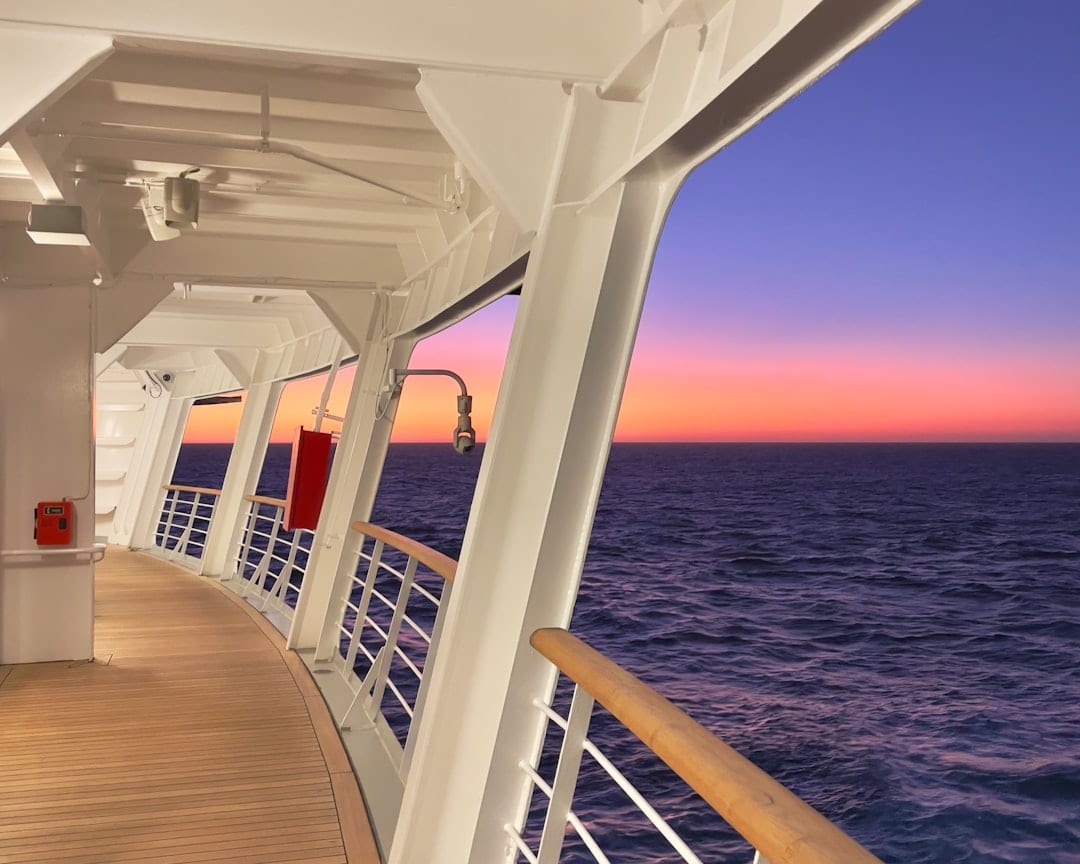
What Your Fare Actually Covers (and What It Doesn't)
One of the biggest shocks for first-time cruisers is discovering that the headline price is only the beginning. Here is how to budget honestly.
What's Included
- Your cabin accommodation for the duration of the voyage
- Main dining room meals, buffet access, and select casual eateries
- Basic beverages: water, coffee, tea, and select juices during meals
- Pool, gym, theater shows, and most onboard activities
- Port-to-port transportation while the ship is moving
The Extras That Add Up
- Gratuities: Typically $16 to $20 per person, per day, auto-charged to your onboard account. For a 5-night cruise, budget roughly ₱4,500 to ₱6,000 per person.
- Specialty Dining: Steakhouses, sushi bars, and chef’s-table experiences cost $30 to $100 per person.
- Shore Excursions: Booking through the cruise line is convenient but pricey. A half-day city tour can run $60 to $150 per person. Independent operators at the port often charge 30% to 50% less, though you sacrifice the ship’s guarantee of punctuality.
- Beverage Packages: Soda, specialty coffee, and alcohol are not free. Unlimited drink packages range from $60 to $90 per day.
- Spa, Casino, and Photos: These are entirely a la carte. A single professional portrait can cost $25.
Travel Insurance Is Non-Negotiable
Philippine travel insurance providers offer cruise-specific policies covering medical evacuation at sea, trip interruption, and missed port departures. Given that a medical helicopter evacuation can cost hundreds of thousands of pesos, this is not the place to economize. Mesho bundles comprehensive cruise insurance into most packages—ask your specialist for the exact coverage sheet.
Embarkation Day: From Your Door to the Deck
Embarkation day is part logistics, part theater. Here is the exact sequence for travelers departing from Manila or Clark on a fly-cruise package, or directly from a regional port like Singapore or Hong Kong.
Document Checklist
- Philippine passport valid for at least 6 months beyond your return date
- Cruise line boarding pass (printed or on your cruise line app)
- Visas for all countries on the itinerary, if required
- Travel insurance certificate
- Vaccination certificates (check if your ports require yellow fever or COVID documentation)
- Credit card for onboard account setup; some lines accept cash deposits but cards are smoother
Step-by-Step at the Port
- Arrive early but not too early. Most terminals open check-in four hours before sailing. Arriving 3 hours ahead gives you buffer time without standing in a closed queue.
- Bag drop. Large luggage is tagged and taken to your cabin, usually arriving within 3 hours. Keep a day bag with medications, swimwear, and travel documents.
- Security and immigration. Similar to airport screening but generally faster. Have your passport and boarding pass ready.
- Onboard account setup. Link a credit card or leave a cash deposit. This card covers all onboard spending.
- Muster drill. A mandatory safety briefing, now often completed via app or at your designated assembly station. Pay attention; it is legally required before the ship can sail.
- Sailaway. Once the horn sounds, head to the upper deck. Watching the coastline shrink from a lounge chair with a welcome drink in hand is the moment the vacation truly begins.
"The first time I escorted a group of thirty Filipino pilgrims from Manila to a Mediterranean cruise, the biggest anxiety wasn’t the flight—it was the muster drill. Once they realized how organized the crew was, the entire energy shifted. By day two, they were treating the ship like a second home." — Dominic Reyes, Mesho Cruise Specialist
Life at Sea: Seasickness, Dining, and Connectivity
Battling Seasickness
Modern cruise ships have stabilizers that reduce most motion, but the South China Sea and waters around Japan can still produce swells. Book a midship cabin on a lower deck—this is the most stable point of the vessel. Over-the-counter remedies like meclizine are available at ship clinics, but bring your own Bonamine or ginger tablets from the Philippines as a first line of defense. Wristbands that apply acupressure also work for many travelers and cost under ₱500.
Dietary Restrictions
Filipino travelers often have specific needs—low-sodium diets for seniors, halal requirements, or vegetarian preferences. Main dining rooms on Royal Caribbean, Celebrity, and Princess accommodate these with 24-hour notice. Buffets always label allergens. If you require strict halal or kosher meals, notify Mesho at least 45 days before sailing so the cruise line can prepare special menus.
Wi-Fi and Connectivity
Shipboard internet has improved, but it is not land-fast. Social-media packages start around $15 to $20 per day; full streaming packages run higher. For Filipino travelers who need to check in on family or business, buy a package before boarding for a 10% to 20% discount. Alternatively, rely on port-day SIM cards—Singapore, Hong Kong, and Vietnam all offer affordable tourist SIMs with generous data.
Planning your first cruise? Mesho’s cruise specialists handle cabin selection, document checks, and insurance bundling so you board with confidence. Explore our curated cruise tour packages and let us navigate the details for you.
Choosing Your First Itinerary
Not all first cruises should be epic 14-night voyages. The key is matching itinerary length to your comfort level and budget.
Short Regional Cruises (4–5 Nights)
Routes from Singapore to Port Klang and Phuket, or from Hong Kong to Halong Bay, are ideal testing grounds. You experience multiple countries, sea days, and port excursions without committing two weeks. Prices often start under ₱35,000 per person in an Interior cabin during promotional windows. These are perfect for families who want to sample cruising before investing in a longer voyage.
Fly-Cruise Packages
For destinations like Japan, Alaska, or the Mediterranean, you will fly into a major hub—Tokyo, Vancouver, Rome—and board there. Mesho bundles the roundtrip airfare from Manila or Clark, pre-cruise hotel nights, transfers, and the voyage itself. These packages remove the stress of coordinating international flights with ship departure times. Expect total investments starting around ₱120,000 per person for entry-level cabins on 7-night itineraries, climbing significantly for balcony cabins and suite categories.
| Itinerary Type | Duration | Starting Price (Per Person) | Best For |
|---|---|---|---|
| Regional Cruise | 4–5 nights | ₱25,000 – ₱45,000 | First-timers, families, budget-conscious groups |
| Regional Cruise | 7 nights | ₱45,000 – ₱80,000 | Balanced sea and port time |
| Fly-Cruise | 7–14 nights | ₱120,000+ | Japan, Alaska, Mediterranean seekers |
Quick Summary: Your First Cruise Checklist
- Pick your cabin wisely. Interior for budget, Balcony for the full experience, Suite for families or celebrations.
- Budget beyond the fare. Add 25% to 35% for gratuities, excursions, drinks, and specialty dining.
- Prepare documents early. Passport validity, visas, and travel insurance should be confirmed 60 days before sailing.
- Pack smart for embarkation day. Keep medications, documents, and a change of clothes in your carry-on.
- Start short. A 4- or 5-night regional cruise from Singapore or Hong Kong is the perfect introduction.
Related Reading
- Mesho Cruise Tour Packages — Browse our full collection of regional and international cruise itineraries.
- How to Prepare for a Multi-Country Cruise Visa Run
- Family Cruising: Keeping Kids Entertained at Sea
Author Note
I have spent the last several years helping Filipino travelers board their first ships in Singapore, Hong Kong, and Barcelona. The common thread among those who fall in love with cruising is simple: they stopped trying to plan every detail alone and trusted a specialist to handle the logistics. If you are standing at the edge of your first booking decision, you are closer to that sailaway moment than you think.
— Dominic Reyes
Cruise & Multi-Destination Itinerary Specialist, Mesho Travel And Tours
Ready to Set Sail?
Let Mesho curate your first cruise experience—from cabin selection and travel insurance to embarkation support and port excursions. Your extraordinary journey starts with a single conversation.
Explore Cruise Packages

