


Picture this: you have finally arrived at the entrance to Petra's Siq, the rose-red canyon walls rising around you like ancient sentinels, and instead of wonder, you feel a sharp tightness in your chest. Or you are walking the Via Dolorosa in Jerusalem, retracing the Savior's steps, but a poorly treated blister has turned every cobblestone into agony. For Filipino pilgrims traveling thousands of kilometers from Meycauayan to the Holy Land, the spiritual anticipation of PATHWAYS 2026 can be quietly undermined by one persistent anxiety—what if I fall ill, run out of medication, or need emergency care in a country where I do not speak the language?
This guide is your practical shield against that uncertainty. Over twelve days across Jordan, Israel, and Egypt, you will encounter desert heat, uneven stone terrain, long walking days, and three different healthcare systems. Preparation is not a lack of faith—it is the wisdom that allows you to focus fully on the spiritual transformation awaiting you at the Church of the Holy Sepulchre, the Mount of Beatitudes, and the Church of the Nativity in Bethlehem.
Here is everything you need to know about travel insurance, vaccinations, medication management, physical readiness, and emergency support—written specifically for the Filipino Catholic pilgrim.
Why Health Preparation Matters on a Multi-Country Pilgrimage
A Holy Land pilgrimage is not a resort vacation. PATHWAYS 2026 spans three countries with distinct climates, elevation changes, and physical demands. In Jordan, Petra alone requires roughly eight kilometers of walking over uneven sandstone and carved stairs. Jerusalem's Old City sits on hills with slippery cobblestones and countless staircases. Egypt's dry heat can dehydrate quickly during open-air site visits.
For many Filipino pilgrims—especially those managing hypertension, diabetes, or joint conditions—these conditions are manageable with foresight, but risky without it. The goal of health preparation is simple: remove distractions so your heart and mind remain open to grace.
Beyond the physical, there is the matter of healthcare access. While Jordan, Israel, and Egypt all offer modern medical facilities in major cities, navigating them without local language skills or cash payment can be stressful. The right insurance and preparation turn a potential crisis into a minor, solvable inconvenience.
Travel Insurance Must-Haves for Jordan, Israel, and Egypt
Not all travel insurance policies are created equal, and a standard domestic plan will not protect you on a multi-country pilgrimage. Before purchasing coverage for PATHWAYS 2026, verify these non-negotiable inclusions:
Emergency Medical Evacuation
This is the single most important feature for Holy Land travel. If you suffer a serious illness or injury in Petra, Nazareth, or the Sinai region, you may need evacuation to a top-tier hospital in Amman, Jerusalem, or Cairo—or even medical repatriation to Manila. Look for policies offering at least $100,000 (approximately PHP 5.8 million) in evacuation coverage. Confirm that land, air, and sea evacuation are all included, and that the policy covers evacuation from remote areas like Petra's archaeological zone.
Trip Cancellation and Interruption
Life is unpredictable. A family emergency, sudden illness before departure, or unforeseen travel restriction could force you to cancel or cut short your pilgrimage. Trip cancellation coverage should reimburse your non-refundable deposits and payments, including tour package fees, flights, and pre-booked accommodations. Interruption coverage protects you if you must return home mid-journey—an unfortunate reality some pilgrims have faced when a spouse falls ill back in Bulacan.
Multi-Country Coverage with No Gaps
Because PATHWAYS 2026 crosses borders between Jordan, Israel, and Egypt, your policy must explicitly list all three countries as covered territories. Some cheaper plans restrict coverage to a single country or exclude certain border regions. Read the geographic exclusions carefully. Ask your provider directly: "Does this policy cover me in Jordan, the West Bank, Israel, and Egypt, including land border crossings between them?"
Pre-Existing Condition Coverage
If you live with diabetes, hypertension, asthma, heart disease, or any chronic condition, standard policies may deny claims related to those conditions unless you purchase a waiver or specialized coverage. Declare all pre-existing conditions honestly when applying. Many insurers offer a "look-back period" waiver if you buy the policy within 14–21 days of your initial trip deposit. Do not skip this step to save a few thousand pesos—it could cost you hundreds of thousands later.
24/7 Emergency Assistance Hotline
Your insurance card should include a toll-free or collect-call number reachable from Jordan, Israel, and Egypt at any hour. Test the number before departure. The best providers offer assistance in English and can coordinate directly with local hospitals, arrange translator services, and notify family members in the Philippines if needed.
Planning your PATHWAYS 2026 pilgrimage?
Mesho Travel And Tours can guide you through insurance selection, vaccination scheduling, and pre-departure health checklists tailored to your personal medical history. Explore the full PATHWAYS 2026 itinerary here and let us help you travel with complete peace of mind.
Vaccinations and Health Advisories for 2026
Health requirements can shift based on global conditions, so always verify current advisories with the Philippine Department of Health (DOH) and your local travel medicine clinic before departure. As of 2026, the following vaccinations and precautions are commonly recommended for travelers to Jordan, Israel, and Egypt:
- Routine vaccines: Ensure your MMR (measles-mumps-rubella), DPT (diphtheria-pertussis-tetanus), polio, and influenza vaccines are current. These are foundational for any international travel.
- Hepatitis A: Strongly recommended for all travelers to the region, as the virus spreads through contaminated food and water. Even careful pilgrims eating at hotel buffets can be exposed.
- Hepatitis B: Recommended if you might require medical procedures, have close contact with locals, or plan extended stays. Many Filipino adults received this in childhood, but a booster may be advisable.
- Typhoid: Consider this if you will be visiting smaller towns or eating outside major tourist hotels. Oral vaccine or injection options are available.
- COVID-19: Carry proof of full vaccination or a recent booster. Entry requirements vary by country and can change with short notice. Keep digital and printed copies of your vaccination certificate.
- Rabies: Consider pre-exposure vaccination if you anticipate contact with animals in rural areas or if your itinerary includes extended time in less-developed regions. This is optional for most standard pilgrimage groups.
Schedule your vaccinations at least four to six weeks before departure to allow immunity to develop. Major hospitals in Metro Manila, such as St. Luke's Medical Center and Makati Medical Center, offer travel medicine clinics. If you are departing from Meycauayan or Bulacan, plan a half-day trip to Quezon City or Makati for this appointment.
Additionally, pack a personal health kit with oral rehydration salts, anti-diarrheal medication, antihistamines, pain relievers, adhesive bandages, and alcohol-based hand sanitizer. Pharmacies in Amman, Jerusalem, and Cairo are well-stocked, but familiar brands from home provide comfort when you are not feeling your best.
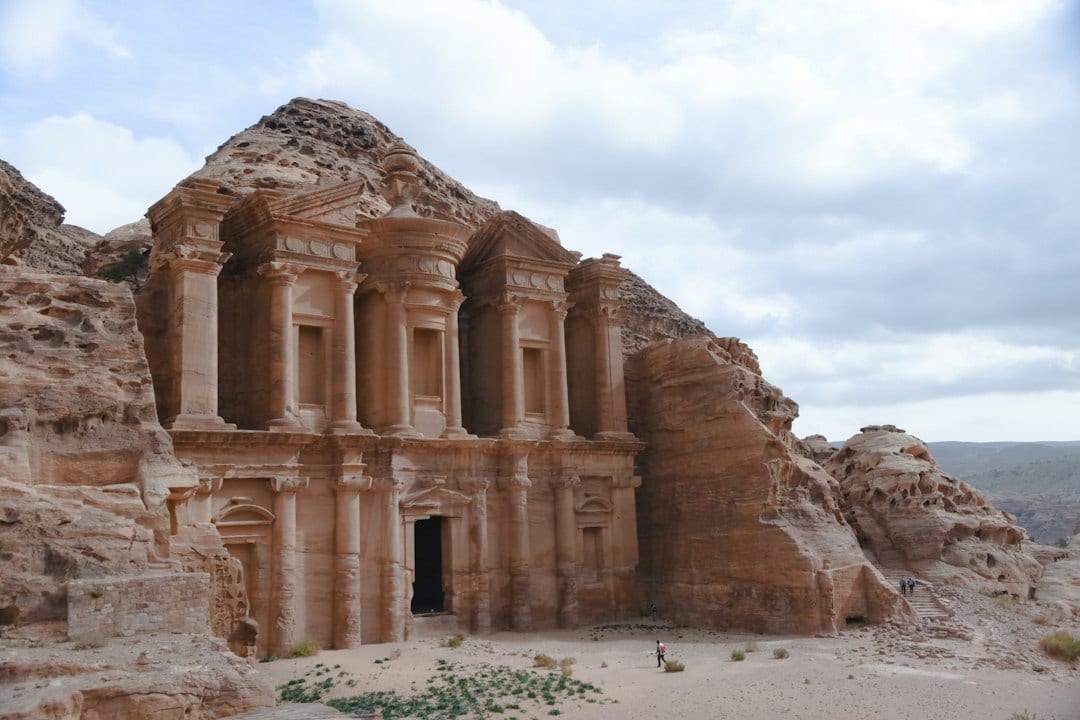
The Treasury at Petra, Jordan — one of the most physically demanding yet spiritually rewarding stops on your pilgrimage
Medication Management: Bringing Prescriptions and Supplies
For pilgrims managing chronic conditions, medication continuity is non-negotiable. A missed dose of anti-hypertensive medicine or insulin in the middle of a Jordanian desert highway is not merely inconvenient—it can become dangerous.
Pack More Than You Think You Need
Bring at least seven to ten extra days of medication beyond the twelve-day tour length. Flights get delayed. Bags get misplaced. Border crossings run long. That extra week of supply is your safety net. Split your medication between your carry-on bag and checked luggage so you are never entirely without it.
Carry a Doctor's Letter and Original Packaging
Ask your physician for a signed letter on clinic letterhead listing your diagnoses, prescribed medications with generic names, and required medical devices (glucometer, blood pressure monitor, inhaler). Keep medications in their original labeled containers. Customs officials in Jordan, Israel, and Egypt may inspect pharmaceuticals, and a professional letter moves you through faster while preventing misunderstandings.
Diabetes and Hypertension Supplies
If you are diabetic, pack double the test strips and lancets you expect to use. Carry glucose tablets or gel for hypoglycemic episodes. A small cooler pouch can protect insulin from desert heat during long site visits. For hypertension management, a portable wrist or upper-arm blood pressure monitor helps you track readings daily, especially when altitude and exertion fluctuate.
Inform your tour leader—whether that is Mesho's pilgrimage coordinator or your parish chaplain—about your medical conditions and where you store emergency medication. They cannot help what they do not know.
Physical Fitness Preparation for Long Walking Days
The Bible never mentions elevators. The Holy Land is a place of hills, stairs, ancient stone paths, and vast archaeological complexes. PATHWAYS 2026 includes days where you will walk eight to twelve kilometers, often under direct sun. Preparing your body is as important as preparing your soul.
Petra: The Ultimate Test
The walk through Petra's Siq to the Treasury is roughly two kilometers each way over uneven sandstone, followed by optional climbs to the Royal Tombs and Monastery involving hundreds of carved steps. The terrain is slippery in sections, and horse-drawn carriages are available for those with mobility limitations—but the carriages do not reach the Monastery. Strong ankles, stable knees, and cardiovascular endurance make the difference between enduring Petra and enjoying it.
Jerusalem's Hills and Cobblestones
The Old City of Jerusalem is a vertical maze. From the Mount of Olives down to the Garden of Gethsemane, from the Western Wall Tunnel to the Via Dolorosa's ascending stations, your legs and lungs will work continuously. The cobblestones are centuries old, polished smooth by millions of footsteps, and surprisingly slippery—especially when descending.
Bethlehem and Nazareth
While less demanding than Petra, both cities involve standing for extended periods during church services, navigating crowded markets, and walking between sites like the Church of the Nativity and Manger Square in Bethlehem, or the Basilica of the Annunciation in Nazareth. Comfortable, broken-in footwear is essential.
A Six-Week Training Plan
Starting six weeks before departure, commit to this simple routine:
- Daily brisk walking: Build from twenty minutes to forty-five minutes, five days per week. Walk on varied surfaces—concrete, grass, uneven ground—to simulate Holy Land terrain.
- Stair climbing: Two to three times per week, climb three to five flights of stairs repeatedly. Jerusalem and Petra are essentially staircases dressed as cities.
- Ankle strengthening: Simple calf raises and balance exercises on one foot reduce rollover risk on uneven stone.
- Hydration habit: Train yourself to drink water consistently throughout the day. Dehydration is the silent enemy of pilgrimage stamina.
If you have existing joint, heart, or respiratory conditions, consult your physician before beginning any fitness program. They may recommend a modified plan or supportive devices like trekking poles or compression socks.
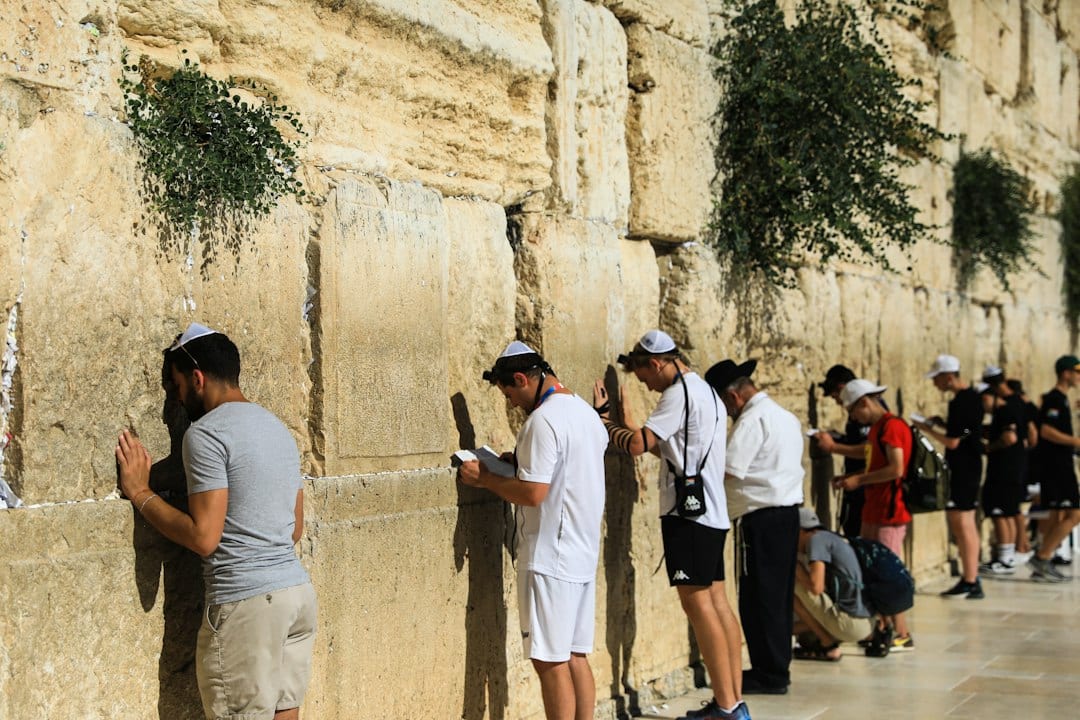
The Western Wall in Jerusalem — proper physical preparation ensures you can fully engage with each sacred moment
Emergency Contacts and Philippine Embassy Support
Knowing who to call if something goes wrong transforms anxiety into confidence. Save these contacts in your phone and keep a printed copy in your travel documents folder:
| Location | Office | Contact |
|---|---|---|
| Amman, Jordan | Philippine Embassy | +962-6-553-1861 |
| Tel Aviv, Israel | Philippine Embassy | +972-3-602-1554 |
| Cairo, Egypt | Philippine Embassy | +20-2-2758-0293 |
In addition to embassy contacts, register with the Philippine Department of Foreign Affairs (DFA) through their online registration system before departure. This ensures the government knows you are in the region and can reach family members if a large-scale emergency occurs.
Your PATHWAYS 2026 tour package also includes Mesho's 24/7 on-ground support. Our local partners in each country maintain relationships with English-speaking clinics and can arrange rapid transport to trusted medical facilities. Your tour leader carries a comprehensive emergency protocol and satellite communication for remote areas.
For immediate medical emergencies, dial:
- Jordan: 911
- Israel: 101 (medical), 100 (police)
- Egypt: 123 (ambulance)
Save these numbers under "Emergency" in your phone contacts for one-tap access.
Insider Tips from a Pilgrimage Leader
After guiding Filipino pilgrims through the Holy Land for more than a decade, I have learned that the smallest habits determine whether a pilgrim thrives or merely survives. Here are lessons I share with every group before we board:
"The pilgrim who packs their rosary but forgets their running shoes has prepared only half their soul. God meets us where we are—but we still have to walk there."
- Break in your shoes religiously: Buy walking shoes at least one month before departure and wear them daily. Blisters on day two of a twelve-day pilgrimage can shadow every sacred moment that follows. Choose shoes with ankle support and grippy soles.
- Pack a small day bag: Your daily carry should include water, snacks, medications, sunscreen, a hat, and a light shawl for church visits. Do not rely solely on the tour bus. Between the Church of the Holy Sepulchre and the nearby souks, you may be on foot for hours.
- Start hydrating before you leave Meycauayan: Drink two to three liters of water daily for the week before departure. Pre-hydrated bodies adapt faster to desert climates and recover quicker from long walking days.
- Do not skip rest: PATHWAYS 2026 is intentionally paced with recovery time built in. Use it. A twenty-minute nap at the hotel can restore you more than an extra hour of shopping. This is a marathon, not a sprint.
- Bring a copy of your prescriptions in Arabic: Ask your pharmacist or travel clinic to translate your medication list into Arabic. If you need a refill in Amman or Jerusalem, this simple document removes language barriers instantly.
Finally, remember that vulnerability is part of pilgrimage. If you feel unwell, tell your tour leader immediately. We have helped pilgrims manage everything from altitude discomfort at Mount Nebo to minor infections caught early. Silence helps no one—least of all your spiritual journey.
Quick Summary: Your Health Checklist Before PATHWAYS 2026
- Purchase travel insurance with medical evacuation, multi-country coverage, and pre-existing condition waivers before your final trip deposit.
- Visit a travel medicine clinic four to six weeks early for vaccinations and personalized health advice.
- Pack seven to ten extra days of medication, original packaging, a doctor's letter, and a translated prescription list.
- Begin a six-week walking and stair-climbing fitness routine to prepare for Petra, Jerusalem, and long site days.
- Save embassy contacts and local emergency numbers in your phone and on paper.
Related Reading
- PATHWAYS 2026 Holy Land Tour: A Day-by-Day Spiritual Itinerary for Filipino Catholics — Walk through each day of the pilgrimage before you depart.
- Holy Land Pilgrimage: What to Wear and Prepare for Sacred Sites — Dress codes, modesty guidelines, and packing essentials beyond health.
- Jordan's Petra and the Dead Sea: Extending Your Holy Land Pilgrimage from Israel — Deep dive into Petra's physical demands and the Dead Sea's wellness benefits.
Ready to Walk Where Jesus Walked?
Every step of PATHWAYS 2026 has been designed to deepen your faith while safeguarding your wellbeing. From the moment you leave Meycauayan to your return at Ninoy Aquino International Airport, Mesho Travel And Tours handles the logistics so you can focus on the sacred.
Secure your place on PATHWAYS 2026
Limited slots remain for Filipino pilgrims departing in 2026. Let Mesho guide your health preparation, insurance selection, and spiritual readiness.
Inquire About PATHWAYS 2026Author's Note from Elena Ramos: I have stood beside Filipino pilgrims at the empty tomb, at the banks of the Jordan River, and beneath the stars of the Negev Desert. I have seen how proper preparation allows a traveler to arrive fully present—not distracted by worry, not held back by pain. Your pilgrimage is a once-in-a-lifetime conversation with God. Prepare your body with the same intention you prepare your heart. If you have questions about medical readiness, chronic condition management, or insurance options for PATHWAYS 2026, reach out to our team at Mesho. We have walked this path before, and we walk it with you.


