


The thought of squeezing into a rattling sleeper train for eight hours can make even the most excited Filipino traveler hesitate. Will it be clean? Safe? Cold? Will you actually sleep? These questions are normal, and the good news is that the Hanoi–Lao Cai overnight train is one of Southeast Asia's most reliable mountain routes once you know how to book it.
In this guide, you'll learn how to choose between soft and hard sleeper berths, what Hanoi Railway Station feels like at night, how to reach Sapa town from Lao Cai station, what to pack for the chill, and how the whole journey fits into a Mesho 4D3N Hanoi–Sapa premium tour. By the end, the sleeper train will feel less like a gamble and more like part of the adventure.
Why the Overnight Train Still Wins
Flying is not an option for Sapa. The town has no airport, so every traveler from Hanoi chooses between a night train, a daytime bus, or a private car. The overnight train remains the most time-efficient choice: you board after dinner, sleep through the 320-kilometer ride, and wake up in Lao Cai just as the valleys start glowing with morning mist.
It also saves you a hotel night and a full day of road travel. While the bus can be faster door-to-door during daylight, it chews up hours you could spend in Hanoi's Old Quarter or Sapa's rice terraces. The train, for all its old-world charm, keeps your itinerary intact.
Booking Your Sleeper Berth
Soft Sleeper vs. Hard Sleeper
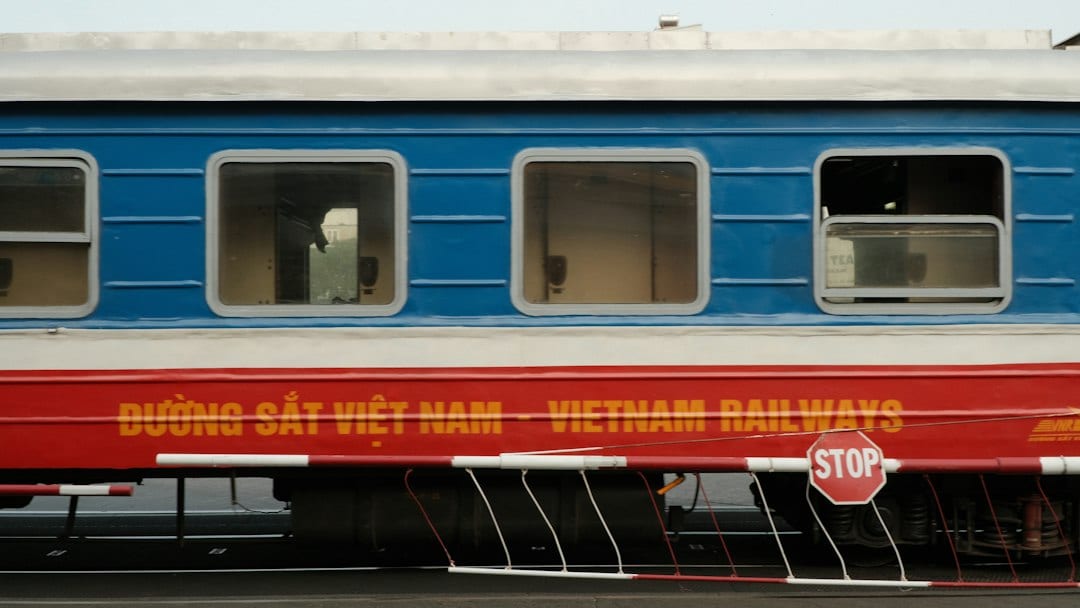
Vietnam Railways operates the main SP1, SP3, and SP7 services between Hanoi and Lao Cai. On these trains, you'll find two sleeper classes and a few seated carriages. For an overnight journey, Filipino travelers should avoid the seats entirely.
| Berth Type | What You Get | Approx. Price One Way |
|---|---|---|
| Hard Sleeper (6 berths) | Open cabin, three bunks per side, firmer mattress, shared with strangers | ₱1,600 – ₱2,100 |
| Soft Sleeper (4 berths) | Private door, two bunks per side, thicker bedding, cleaner cabin | ₱2,300 – ₱3,000 |
| Tourist Cabin (4 berths) | Operated by Sapaly, Chapa, or Fanxipan Express; newer bedding, Wi-Fi on some, snack included | ₱3,300 – ₱4,800 |
| Victoria Express (luxury) | Premium 2-berth cabins, fine dining, concierge service | ₱8,500+ |
Prices vary by season, cabin operator, and booking channel. Book early for weekends and Sapa peak season (September–November and March–May).
How to Book
You have three main paths. Each has trade-offs for first-time visitors:
- Official Vietnam Railways website or app. The cheapest option, but the interface is not always foreign-card friendly. Schedules are shown in Vietnamese time (same as Manila), and you'll need to pick up a physical ticket at the station unless the system issues an e-ticket.
- Third-party platforms like 12Go Asia or Baolau. Easier for credit cards, English-language support, and e-tickets, but service fees can add ₱200–₱500 per ticket.
- A trusted travel agent or tour operator. Mesho books these tickets as part of the Hanoi–Sapa 4D3N premium package, which removes the guesswork, guarantees berth allocation, and includes Lao Cai–Sapa transfers.
If you book on your own, aim for the lower bunks. They are wider, easier to climb into, and you won't hit your head on the ceiling when you wake up.
At Hanoi Railway Station and Onboard
Navigating Hanoi Railway Station
The main station is Ga Hà Nội, located at 120 Lê Duẩn, a short taxi ride from the Old Quarter. Most international sleeper services depart from the main B building. Arrive 45 minutes before departure. The concourse is busy but orderly; station staff rarely speak much English, so have your ticket confirmation ready on your phone.
Boarding usually starts 20–30 minutes before departure. Look for your train number (SP1, SP3, etc.) on the platform screens. Car numbers are printed on the side of each carriage. If you booked through a tourist cabin operator like Sapaly or Chapa Express, their staff often wait near the platform with a passenger list.
Onboard Reality
The train is not luxury, but it is functional. Each soft sleeper cabin has four berths, a small table, individual reading lights, charging sockets (220V), and a door that locks from the inside. Bedding is provided and is generally clean on the tourist-oriented services; basic Vietnam Railways cabins are more utilitarian.
Toilets are at the end of each carriage. Western-style toilets are available on newer carriages, but older ones may only have squat toilets. Bring your own tissue, hand sanitizer, and a small toiletries kit. The corridor has large windows, and if you wake before 5:00 AM, you'll catch the first mist rolling through the highland valleys.
Air conditioning can be aggressive. The cabin may feel tropical when you board, but by 2:00 AM it can feel like a Cebu Pacific flight cranked to maximum. Dress in layers and keep a light jacket within reach.
Safety for Filipino Travelers
Vietnam is generally safe, but overnight trains anywhere invite the same common-sense rules. Keep valuables in a small bag tethered to your berth or tucked under your pillow. Lock the cabin door when everyone turns in. If you are a solo female traveler, booking the whole four-berth cabin or traveling with a group is worth the extra cost. Avoid displaying expensive jewelry or large amounts of cash in the corridors.
Arrival at Lao Cai and Transfer to Sapa
The train pulls into Lao Cai station between 5:30 AM and 6:30 AM, depending on the service. The station is small, cool, and usually busy with passengers, porters, and drivers holding name cards. Don't rush. Take a moment to layer up; Sapa is 1,600 meters above sea level and mornings can dip to 8–12°C, especially from December to February.
From Lao Cai to Sapa town is about 35 kilometers uphill. Your options are:
| Transfer Option | Travel Time | Approx. Cost |
|---|---|---|
| Local Bus | 60–75 minutes | ₱90 – ₱160 |
| Shared Minivan | 45–55 minutes | ₱220 – ₱330 |
| Private Car | 40–50 minutes | ₱900 – ₱1,300 |
| Motorbike Taxi | 50–60 minutes | ₱270 – ₱450 |
The road winds sharply upward through cloud forest and Hmong villages. If you are prone to motion sickness, sit near the front of the minivan or take medication before boarding. Most hotels in Sapa allow early check-in for a small fee, or at least let you store bags while you explore town or hike Cat Cat Village.

Planning your trip? Mesho handles the overnight train tickets, Lao Cai–Sapa transfers, and hotel coordination as part of the Hanoi–Sapa 4D3N premium tour. You skip the station queues and wake up straight to the mountains.
Packing Essentials for the Train and Sapa's Cold
Coming from Manila's humidity, Sapa can feel shockingly cold. The train itself is also unpredictable. Pack as if you are going from a tropical airport straight into a Baguio December, then add a little more.
For the Train
- Earplugs and an eye mask — the corridor lights and station announcements stay active all night.
- Slip-on shoes or sandals — you'll take your shoes off to climb into the berth, and you'll want easy footwear for midnight bathroom trips.
- Power bank — sockets exist but are limited; a backup keeps your phone alive for the morning views.
- Snacks and water — the dining car sells instant noodles and drinks, but choices are limited.
- Toiletries kit — tissues, wet wipes, toothbrush, hand sanitizer, and lip balm.
For Sapa's Weather
- Insulated jacket or fleece layer — essential even in April or October.
- Beanie and light gloves — mornings on Fansipan or Lao Chai viewpoint are chilly.
- Comfortable hiking shoes — terraced paths can be muddy after rain.
- Rain jacket or compact umbrella — mountain weather changes quickly.
- Cash — many local restaurants and trek guides prefer Vietnamese dong; change a small amount at Hanoi airport or Old Quarter.
A Realistic 4D3N Timeline with Mesho
This is how the overnight train slots into a typical Mesho Hanoi–Sapa 4D3N premium itinerary. Timings are approximate and shift slightly by season and operator.
| Day | Activity |
|---|---|
| Day 1 | Arrive in Hanoi, explore the Old Quarter, evening street-food walk. Board the SP1 or SP3 overnight train to Lao Cai around 21:30–22:30. |
| Day 2 | Arrive Lao Cai around 05:30–06:30. Transfer to Sapa, freshen up at the hotel, then trek Cat Cat Village or visit the Sapa market. |
| Day 3 | Full day in the terraces: Lao Chai–Ta Van trek, Hmong and Dzay village visits, or Fansipan cable car. Sunset coffee overlooking the Muong Hoa Valley. |
| Day 4 | Morning at Ham Rong Mountain or the Stone Church. Return transfer to Lao Cai, board the daytime or overnight train back to Hanoi. |
The beauty of this rhythm is that you lose no daylight to long-distance transport. You sleep through the boring part and wake up exactly where the scenery starts.
Quick Summary: Making the Train Work for You
- Book a soft sleeper or tourist cabin for your first Hanoi–Sapa trip; hard sleeper is fine only if you travel light and sleep deeply.
- Arrive at Hanoi Railway Station 45 minutes early and keep your ticket confirmation accessible.
- Dress in layers and keep a jacket, earplugs, and toiletries within arm's reach.
- Plan your Lao Cai–Sapa transfer in advance; shared minivans offer the best balance of cost and comfort.
- Expect Sapa temperatures 10–20°C cooler than Manila, especially in the early morning.
Related Reading
- Hanoi to Sapa: A Practical Routing and Logistics Guide — Compare night train, bus, and private car options end-to-end.
- Hanoi to Halong Bay: A Filipino Traveler's Transport Guide — Useful if you are combining Sapa with a Halong Bay cruise.
- Vietnam E-Visa for Filipinos 2026 — Visa rules and entry requirements before you book anything.
Ready to Experience the Hanoi–Sapa Train?
The overnight train is not the flashiest part of your Vietnam trip, but it is one of the most memorable. Done right, it delivers you to the mountains rested, on time, and with a story to tell. Done wrong, it becomes the part of the trip you complain about for years.
Let Mesho curate the journey for you.
Our Hanoi–Sapa 4D3N premium package includes soft sleeper train tickets, Lao Cai transfers, boutique mountain accommodation, and guided treks. Message us to check availability, current rates, and berth options.
Author's Note
Marco Dela Cruz is Mesho's ASEAN Travel Consultant, focused on land, sea, and air routing for Filipino travelers across Southeast Asia. He has helped dozens of families and small groups navigate the Hanoi–Lao Cai sleeper train without the usual first-timer stress.


