


Most Filipinos board the plane to Shanghai with two silent fears: “Baka sobrang lamig, hindi ko kayanin” and “Baka matumba ako sa snow harap ng maraming tao.” Both are valid. If your only experience of cold is Baguio in January or Sagada at dawn, skiing in Shanghai will feel like stepping onto another planet—one where the air bites, the ground is white, and gravity suddenly has new rules.
The good news: Mesho’s Shanghai Skiing and Disneyland tour is designed for tropical first-timers. You do not need to be athletic, you do not need to buy a closet of winter gear, and you definitely do not need to know how to ski before arrival. What you do need is the right mindset and a few practical expectations. This guide covers where you will ski, what to rent, how to dress, how to behave on the slopes, and how to pace a 6D4N trip that mixes snow with the magic of Shanghai Disneyland.
Indoor vs. Outdoor Skiing Near Shanghai
Shanghai itself is flat and humid, so do not expect alpine villages within the city center. Skiing happens in two forms: climate-controlled indoor snow parks and outdoor resorts in the neighboring Zhejiang mountains.
For most Mesho guests, the indoor snow park is the practical choice. It is close to the city, the snow quality is consistent, and if you fall—which you will—you can warm up with hot cocoa minutes later. Outdoor Zhejiang resorts such as Jiangnan Tianchi or Daming Mountain offer a more authentic mountain experience, but they require a longer drive and are better suited to travelers who already feel comfortable on basic slopes.
Rent or Buy? What Gear You Actually Need
Rule of thumb for tropical travelers: rent almost everything. Ski gear is bulky, expensive, and useless back home in Manila humidity. The only items worth buying before departure are the small pieces that touch your skin—base layers, gloves, and warm socks.
What to bring from the Philippines
- Thermal base layer (top and bottom) — Uniqlo Heattech or similar, around PHP 1,000–2,000 per piece.
- Waterproof ski gloves — PHP 800–1,500. Regular knit gloves will soak through in minutes.
- Thick wool or synthetic ski socks — PHP 400–800 per pair. Cotton socks trap moisture and freeze your toes.
- Neck gaiter or buff — PHP 300–600. Scarves are bulky and dangerous if they catch on equipment.
What to rent at the resort
- Skis, boots, and poles — typically bundled, estimate PHP 1,200–2,000 per session.
- Ski jacket and pants — estimate PHP 800–1,600 per day for the set.
- Helmet — PHP 400–800 per day. Do not skip this, especially as a beginner.
- Goggles — PHP 400–800 per day. Indoor lighting is bright on snow; outdoor wind will make your eyes water.
Rental counters are located inside the ski park, usually near the entrance. Staff will ask for your shoe size and height to fit boots and skis. Bring a passport or leave a refundable deposit—cash or card is accepted at most counters. Arrive early; popular sizes run out on weekends and school holidays.
How Cold Is It Really? Layering for Filipinos
Here is the simplest way to think about it: Baguio’s coldest morning feels like summer inside a Shanghai ski park. Baguio and Sagada chill you at roughly 10–15°C. Shanghai winter days hover between 0–8°C, and the indoor snow area sits around -5°C. That is a difference you will feel in your fingers within minutes if you are underdressed.
The solution is not one giant jacket. It is layers:
- Base layer — tight, moisture-wicking, long-sleeved top and leggings. This keeps sweat away from your skin.
- Mid layer — fleece or light down jacket. This traps heat.
- Outer shell — waterproof ski jacket and pants. This blocks wind and melted snow.
- Extremities — gloves, neck gaiter, warm socks, beanie under helmet, and lip balm.
Avoid jeans, cotton hoodies, and canvas sneakers. Cotton holds moisture and will leave you shivering. If you start sweating while learning, unzip your jacket for a minute instead of stripping layers inside the snow hall.
Ski Etiquette and Safety Rules for Beginners
Skiing has unwritten rules that keep everyone safe and save you from awkward apologies. Learn these before your first slide:
- The skier downhill has the right of way. You must not cut in front of someone already coming down the slope.
- Do not stop where you cannot be seen. Avoid halting below a rollover or in the middle of the trail.
- Look uphill before merging onto a run or starting after a fall.
- Stay in control. If you cannot slow down or stop, you are on a slope that is too advanced.
- Keep poles close and do not swing them around in lift lines.
- Fall to the side whenever possible, and get up quickly if you are in a high-traffic area.
If you are nervous, book a beginner lesson. Most indoor parks offer English-speaking instructors or follow-along demonstrations. One hour of instruction can save you a morning of bruises.
Pacing a 6D4N Ski + Disneyland Itinerary
A common mistake is treating Disneyland and skiing like back-to-back theme park days. Both are physically demanding, especially in the cold. The goal is to alternate high-energy days with recovery days.
Here is a balanced sample flow for Mesho’s 6D4N package:
- Day 1 — Arrival in Shanghai. Rest, stretch your legs along the Bund, and sleep early.
- Day 2 — Shanghai Disneyland. Go full-on magic while your legs are fresh.
- Day 3 — City morning, transfer to ski area. Visit Yu Garden or the Oriental Pearl Tower, then settle near the resort.
- Day 4 — Ski day. Morning lesson, afternoon practice, early dinner, and hot shower.
- Day 5 — Light activity or free day. A second short ski session, shopping at Nanjing Road, or a slow brunch.
- Day 6 — Departure. Leave with sore legs, great photos, and zero regrets.
If the schedule is reversed and skiing lands on Day 2, that is fine—just avoid putting Disneyland and a full ski day immediately next to each other without a buffer morning.
Planning your trip? Mesho’s Shanghai Skiing and Disneyland tour handles transfers, park tickets, and ski entry so you can focus on staying upright and making memories.
Insider Tips for a Smooth First Ski Day
- Eat a real breakfast. Skiing burns more calories than you expect, and cold air increases hunger.
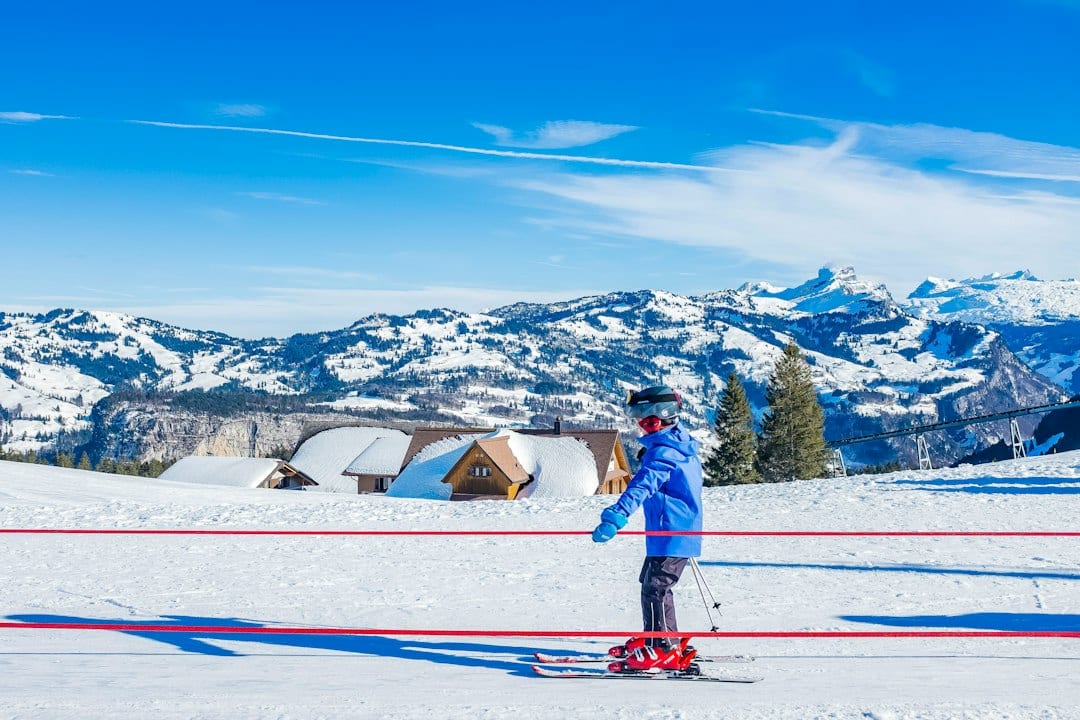
- Start on the “bunny” slope. The gentlest beginner run is your best friend for the first two hours.
- Keep valuables in a locker. Do not ski with a phone in your jeans pocket unless it is zipped securely.
- Expect to fall. Everyone does. Laugh, get up, and try again.
- Book a 60- to 90-minute lesson. It is the fastest way to learn how to stop safely and control your speed.
“The first hour feels awkward. By the second hour, you stop panicking. By the third hour, you finally understand why people fly halfway around the world for snow.”
Quick Summary: Before You Hit the Slopes
- Rent the big gear (skis, jacket, pants, helmet, goggles) at the resort. Buy only base layers, gloves, and socks in Manila.
- Indoor skiing near Shanghai is beginner-friendly and consistent; outdoor Zhejiang resorts are a step up in scenery and challenge.
- Dress in three layers and protect your extremities. The cold is manageable if you prepare for it.
- Follow slope etiquette: downhill skier has right of way, stop where visible, and stay in control.
- Pace your 6D4N trip by separating Disneyland and ski days with a lighter day in between.
Related Reading
- Shanghai Disneyland for Filipino Families: Rides, Tickets, and Travel Tips Beyond the Castle
- China Visa Requirements for Philippine Passport Holders in 2026
- Packing for a Dual-Country Tour: A Filipino Traveler’s Checklist
Ready to Ski in Shanghai?
First-time skiing is equal parts humbling and exhilarating. The cold, the gear, and the unfamiliar slopes can feel intimidating—but with the right preparation and a paced itinerary, you will return home with stories worth retelling for years.
Ready to experience Shanghai’s snow? Let Mesho curate your Shanghai Skiing and Disneyland tour. We will handle the logistics, the tickets, and the transfers—you just need to show up, suit up, and enjoy your first glide down the slope.
Author note by Grace Villareal, Northeast Asia Travel Editor. Based in Taipei and covering China, Japan, Korea, Taiwan, Hong Kong, and Macau, Grace focuses on entry logistics, cultural context, and practical advice for Filipino travelers exploring Northeast Asia.


