


You have your flight confirmation in one hand and your cruise voucher in the other. The flight lands at 11:00 AM. The ship departs at 6:00 PM. Your luggage needs to magically appear in your cabin 2,000 kilometers away. And somewhere in between, you still have to clear immigration twice, find the cruise terminal, and figure out why the ship runs on US dollars even though you are sailing from the Philippines.
If this sounds familiar, you are not alone. The fly-cruise model—flying to a departure port and then boarding a cruise ship—is still unfamiliar territory for many Filipino travelers. Unlike a land tour where one cancellation only affects your hotel, a fly-cruise has moving parts that must connect seamlessly. One missed flight can mean watching your ship sail without you.
This guide breaks down exactly what happens from the moment you land at the airport to the moment you step off in Japan. Whether you are eyeing the Adora Cruises Manila-Japan 7D6N itinerary or another fly-cruise package, here is what you need to know.
Pre-Departure Checklist: Timing, Windows & Luggage Handoffs
The biggest mistake first-timers make is treating the flight and the cruise as separate bookings. They are not. They are two legs of the same journey, and the buffer between them is where most anxiety lives.
Flight Arrival Timing
For sailings that depart from Manila, you should aim to arrive at least four to five hours before the published boarding window closes. If your cruise departs at 6:00 PM, plan to be at the terminal by 2:00 PM. This gives you space for flight delays, traffic from the airport to the port, and the inevitable queue at security.
If you are flying into a foreign hub—say, Singapore or Hong Kong—before the cruise, the same rule applies with an even wider margin. International flight delays of two to three hours are not uncommon, and cruise ships do not wait. Mesho typically books passengers on morning arrivals for same-day embarkations, or even a full day early for peace of mind.
Boarding Windows
Cruise boarding usually opens around 11:00 AM to 12:00 PM and closes 90 minutes before departure. Arriving early means you board sooner, drop your carry-on in the cabin, and explore the ship before the muster drill. Arriving late means stress, rushed paperwork, and possibly missing the cut-off entirely.
Luggage Transfer Protocols
When you book a fly-cruise package through Mesho, your luggage tags are often mailed or issued at check-in. These tags route your bags directly from the airport carousel—or in some packages, from your home—to your ship cabin. Here is how it works:
- Tagged luggage: Attach the cruise-line luggage tags before you check in at the airport. At the arrival airport, look for the cruise-line representative or porter station. They collect your bags and deliver them to the ship.
- Carry-on essentials: Pack a small day bag with your passport, cruise documents, medications, a change of clothes, and swimwear. Your main luggage may not reach your cabin until 6:00 PM or later.
- Self-carry option: If you prefer, you can wheel your own luggage to the terminal porters. They will tag it there and deliver it to your cabin. Keep your valuables with you at all times.
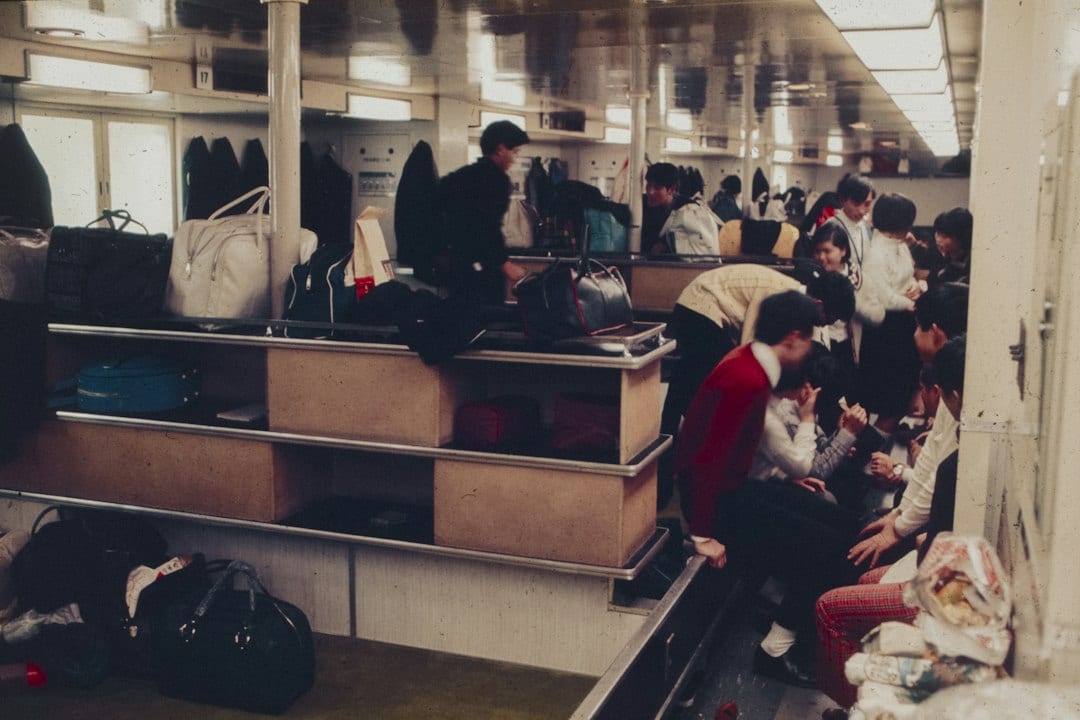
Cruise terminal porters streamline your luggage transfer so you can focus on boarding.
Manila Cruise Terminal: Immigration, Security & Embarkation Day Flow
Embarkation day is a production. Thousands of passengers, hundreds of crew, and a terminal designed to move people like water through a funnel. Knowing the flow in advance turns chaos into choreography.
Step 1: Terminal Arrival & Document Check
When you arrive at the Manila cruise terminal, staff will verify your passport, cruise ticket, and visa status. For Japan-bound sailings, Philippine passport holders need a valid Japan tourist visa. Have both your passport and a printed copy of your cruise confirmation ready. Digital-only copies can slow you down.
Step 2: Immigration & Security
You will clear Philippine immigration at the terminal, not at the airport. This is standard for cruise departures. The process mirrors airport security: x-ray bags, metal detectors, and a passport stamp. Lines are longest between 12:00 PM and 2:00 PM, so arriving earlier or later helps.
Step 3: Check-In & Boarding Pass
At the cruise check-in counter, you receive your shipboard ID card. This card is everything: your cabin key, your onboard payment method, and your ID for reboarding at ports. Some cruise lines now issue this digitally via app, but paper backup is wise. Photograph the card on your phone in case you lose it.
Step 4: Boarding & Muster Drill
Once aboard, head to your muster station for the mandatory safety drill. It lasts about 30 minutes and is required before the ship can sail. After that, the decks open. Find a spot on the upper deck as the ship pulls away from Manila Bay—there is something deeply moving about watching the city lights shrink behind you while the open Pacific stretches ahead.
"The first time I sailed out of Manila Bay, I stood at the railing and forgot about every checklist. That is the moment you realize the journey itself is the destination."
Cabin Essentials: Power, Laundry & Dining Reservations
Your cabin is your home for the next week. It is smaller than a hotel room, but it is engineered for efficiency. Knowing a few technical details upfront saves you from mid-voyage frustration.
Power Outlets & Adapters
Most cruise ships operating from Asia, including Adora Cruises, use 220V outlets with a mix of Type A (two flat pins), Type C (European round), and sometimes USB ports. Philippine plugs (Type A/B) usually fit, but bring a universal travel adapter with multiple USB ports. Power strips with surge protection are typically prohibited for safety reasons, so check the fine print before packing one.
Laundry & Clothing
Self-service laundromats are rare on most cruise ships. You will typically use a valet laundry service with per-item pricing in USD. A shirt might cost $3–5, while a full bag can run $25–35. For a 7-day cruise, pack enough clothing to avoid laundry entirely, or bring a small bottle of travel detergent for hand-washing delicates in the cabin bathroom.
Pro tip: Many cruisers pack one formal outfit for the captain's dinner or gala night, but Adora's sailings from Manila tend to lean smart-casual. Check your specific sailing's dress code in advance.
Dining Reservations
Your cruise fare includes the main dining room and buffet, but specialty restaurants—think teppanyaki, hot pot, or steakhouse venues—require reservations and carry a cover charge. Book these on embarkation day via the ship's app or at the restaurant desk. The best time slots fill fast. If you are sailing on a Japan-bound itinerary, the Japanese specialty venues are particularly popular among Filipino guests and tend to book out by Day 2.
Sea Days vs Port Days: Ship Life & Japanese Immigration
A fly-cruise to Japan typically includes two to three sea days and two to three port calls—often Naha, Okinawa, and Miyakojima. Each type of day demands a different mindset.
Sea Days: What to Expect
Sea days are when the ship becomes the destination. The pool deck fills by mid-morning. The buffet stays open. Activities range from cooking demonstrations and dance classes to bingo and language lessons. There is no pressure to do anything—which, for many Filipino first-timers accustomed to packed tour itineraries, takes a day or two to get used to.
Key sea-day tips:
- Book spa treatments early: Sea days are peak demand. Morning slots are cheaper and less crowded.
- Claim pool chairs before 9:00 AM: Towels on chairs are a universal cruise language. Just do not abandon them for hours.
- Attend the port briefing: Usually held the evening before arrival, this explains immigration procedures, tender protocols (if applicable), and recommended excursions.
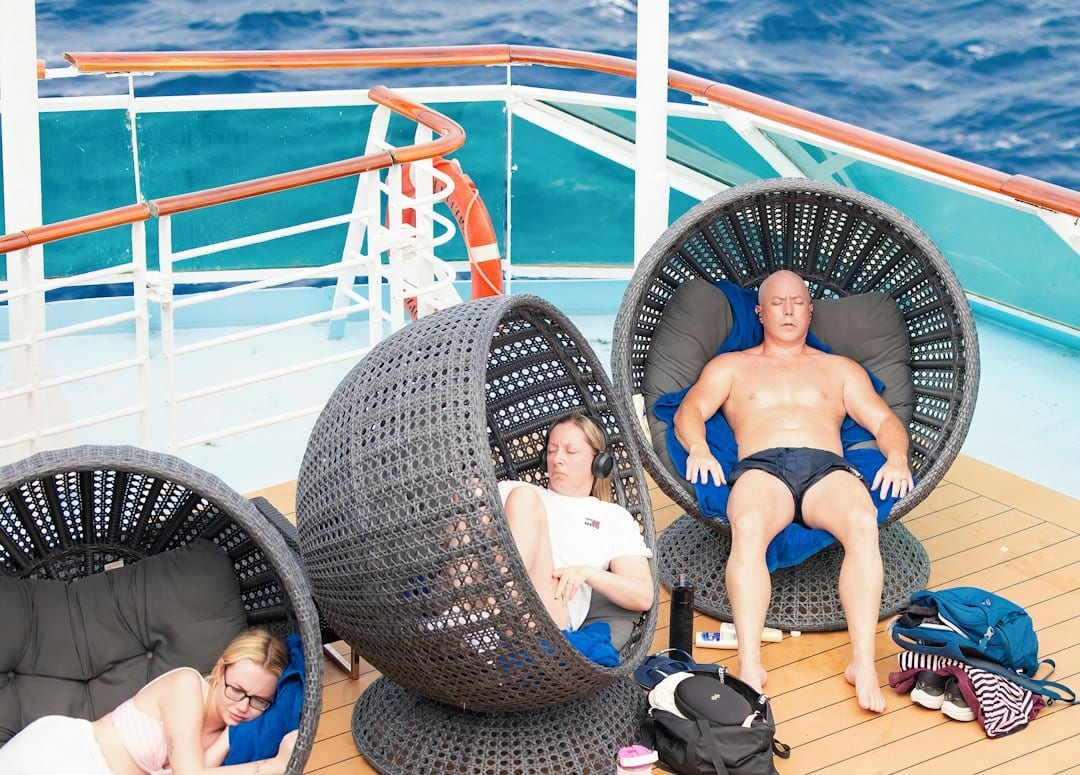
Sea days transform the ship itself into your destination—relaxation is the itinerary.
Port Days: Japanese Immigration Procedures
When the ship docks in Japan, immigration officials board the vessel. You do not go through a traditional airport immigration hall. Instead, you gather in a designated lounge with your passport and shipboard ID, wait for your group number to be called, and have your passport stamped onboard. This process can take 45 minutes to two hours depending on the ship's size.
Once cleared, you scan your shipboard ID at the gangway and walk into Japan. Independent travelers can explore on their own; others join pre-booked shore excursions. Note that Japan enforces strict biosecurity rules. Do not carry fresh fruit, meat, or unsealed food off the ship. Violations can result in fines and delays for the entire vessel.
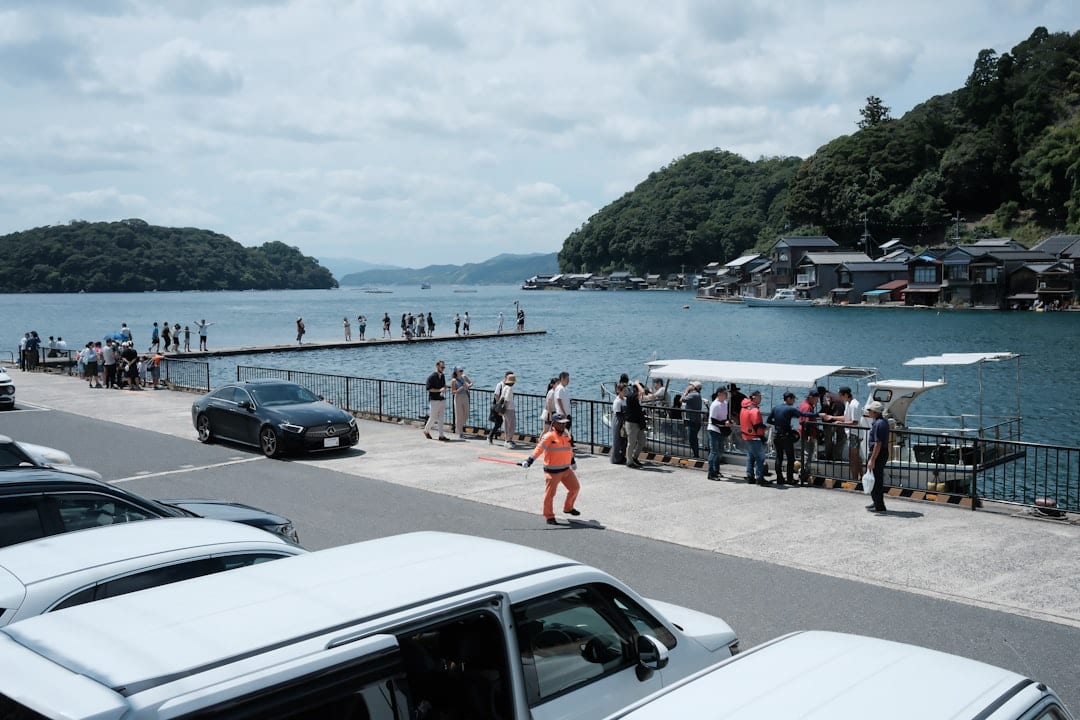
Japanese port immigration happens onboard—have your passport ready and avoid carrying fresh food ashore.
Budgeting: Onboard Accounts, Gratuities, Wi-Fi & Excursions
Here is where many Filipino first-timers get surprised. Despite departing from Manila, the ship operates in US dollars. Everything you buy onboard—drinks, spa treatments, photos, specialty dining—goes onto your shipboard account, which is settled by credit card at disembarkation. Cash is not king at sea.
Onboard Account Basics
During online check-in or at the terminal, you link a credit card to your shipboard ID. Charges accumulate daily. At the end of the cruise, you receive an itemized statement. Debit cards sometimes work but can place large holds on your account, so credit cards are strongly preferred. If you do not have a credit card, most lines accept cash deposits—typically $200–300 upfront.
Gratuities
Most cruise lines automatically add a daily service charge to your account—usually $14–18 per person, per day. On a 7-night cruise for two, that is roughly $200–250 (about ₱11,500–14,500) added to your final bill. You can adjust this at the guest services desk if service was genuinely poor, but do not treat it as optional. Crew members rely on these pooled gratuities.
Wi-Fi Packages
Ship internet is satellite-based and expensive. Expect to pay $15–25 per day for a basic social-media package, or $25–35 for full streaming access. A 7-day package often costs $100–200 total. My advice: buy the package before sailing if the cruise line offers a pre-cruise discount. If you only need to check in with family, consider buying a local SIM or eSIM when you reach Japan instead.
Shore Excursions
Cruise-line excursions offer convenience and a guarantee that the ship will wait if the tour runs late. Independent tours are usually cheaper but carry the risk of missing departure. For Japanese ports like Naha and Miyakojima, where English signage is limited and public transport is sparse, a pre-booked excursion is often worth the premium.
Typical excursion prices for Japan cruise ports range from $60–120 per person (roughly ₱3,500–7,000) for half-day cultural tours, and $150–250 for full-day experiences with meals. Mesho packages often bundle these at a lower rate than booking directly through the cruise line.
Planning your trip? Mesho's fly-cruise packages include coordinated flights, terminal transfers, and pre-booked excursions so you never have to wonder if your luggage and your ship will meet in the same port. View the Adora Cruises Manila-Japan 7D6N itinerary to see how the pieces fit together.
Quick Summary: Your Fly-Cruise Essentials
- Arrive early: Land four to five hours before boarding closes. Morning flights are safest for same-day embarkation.
- Tag your luggage: Use cruise-line tags at the airport or terminal. Carry medications and a change of clothes in your day bag.
- Bring a universal adapter: Ships use 220V with mixed outlets. Leave surge-protected power strips at home.
- Budget in USD: Gratuities (~$14–18/day), Wi-Fi ($15–35/day), and excursions ($60–250) add up. Use a credit card for your onboard account.
- Respect Japan's biosecurity rules: no fresh food off the ship. Have your passport ready for onboard immigration checks.
Related Reading
- First-Time Cruise Guide: What Filipino Travelers Need to Know Before Sailing
- Adora Cruise Manila to Japan: Complete Experience Review and 2026 Booking Guide
- What to Pack for a 14-Day Southeast Asia Cruise: A Filipino Traveler's Checklist
Ready to Set Sail?
A fly-cruise from Manila to Japan is not just a holiday—it is a shift in how you travel. The confusion of coordinating flights and boarding passes melts away the moment you feel the ship's engines humming beneath your feet and see the Philippine archipelago fading into the horizon.
Ready to experience Japan by sea? Mesho curates every detail of your fly-cruise journey—from flight timing and terminal transfers to cabin selection and shore excursions. Let us handle the logistics so you can focus on the view from the deck.
Explore Adora Cruises Manila-Japan 7D6NAbout the author: Dominic Reyes is a cruise and multi-port itinerary specialist at Mesho Travel And Tours. With years of experience routing Filipino travelers through Manila, Hong Kong, and Singapore departure ports, he has helped hundreds of first-timers navigate their maiden voyage with confidence.


