


Imagine standing at the edge of the Ganges as the sky shifts from burnt orange to deep indigo. The air carries a mixture of sandalwood, incense, and the cool river breeze. Suddenly, conch shells blast in unison. Bronze bells ring from ancient temples overhead. Seven priests draped in silk rise in perfect synchrony, raising massive tiered lamps ablaze with fire—and the entire riverside seems to hold its breath.
For Filipino travelers drawn to spiritual and heritage journeys, the Ganga Aarti at Dashashwamedh Ghat is not merely a spectacle. It is a living ritual, performed every evening for centuries, where devotion meets theater in the most profound way. Varanasi—known locally as Kashi, the City of Light—sits at the heart of Hindu cosmology. Witnessing this ceremony respectfully and meaningfully requires more than just showing up; it asks for preparation, presence, and an open heart.
This guide will walk you through the spiritual significance of the Aarti, the practicalities of arrival and etiquette, what to wear and bring, how to arrange a safe boat ride, and where to savor the old city’s vegetarian heritage afterward. Whether you are planning a standalone heritage trip or a broader India pilgrimage tour, let this be your roadmap to an unforgettable evening.
The Spiritual Significance of Ganga Aarti at Dashashwamedh Ghat
What the Ritual Represents
The Ganga Aarti is an offering of light to the river Ganges, personified as the goddess Ganga Ma. In Hindu belief, the river is not simply water; she is a divine force capable of purifying karma and liberating souls. The Aarti transforms the ghat into an open-air temple, where fire, sound, and collective devotion merge into a single act of reverence.
Each element of the ritual carries symbolic weight:
- The conch shells — represent the primordial sound of creation.
- The tiered lamps (diya) — symbolize the illumination of the soul and the removal of darkness.
- The synchronized movements — reflect cosmic order and the harmony between humans and the divine.
- The petals and incense — offered to the river as tokens of gratitude and surrender.
Why Dashashwamedh Ghat
While Aartis are performed at several ghats, Dashashwamedh Ghat is the grandest. Located near the Kashi Vishwanath Temple corridor, it is believed to have been consecrated by Lord Brahma himself. The scale of the ceremony here—seven priests, full orchestras of bells and chants, and thousands of participants—makes it the definitive experience for first-time visitors. If you attend only one evening ritual in Varanasi, let it be here.
A Practical Guide to Arrival, Seating, and Viewing Etiquette
Timing Your Arrival
The Aarti typically begins around 6:30 PM in winter (November to February) and 7:00 PM in summer (March to October), though times shift slightly with sunset. For Filipino travelers accustomed to tropical sunsets, note that Indian Standard Time brings earlier darkness during the cooler months.
Arrive 60 to 90 minutes early if you want a seat near the front. The steps fill quickly, especially during festival seasons like Dev Deepawali (October/November) and Shiva Ratri (February/March). If you prefer a less crowded experience, Assi Ghat hosts a smaller, more intimate Aarti that is equally sincere.
Where to Sit or Stand
The best viewing spots depend on what you value most:
- Front rows on the steps — Immersive and up-close, but you must remain seated throughout. Ideal for photographers with wide-angle lenses.
- Elevated platform to the right — Offers a panoramic view of all seven priests. Reach this platform early; it is wheelchair-accessible and less congested.
- From a boat on the river — A cinematic perspective. Boats anchor mid-stream directly opposite the ghat. Bring a zoom lens.
Respectful Conduct During the Ceremony
This is a religious ceremony, not a concert. Keep these etiquette guidelines in mind:
- Stand or sit quietly during the chanting. Avoid loud conversation.
- If a priest offers you a blessing or prasad (blessed sweets), accept it with both hands or a simple nod if you prefer not to partake.
- Photography is allowed, but turn off your flash. The light disrupts the sanctity and the priests' concentration.
- Do not walk in front of devotees who are praying toward the river.
- Remove your shoes if you step onto the inner sanctum area near the priests.
What to Wear and Bring for an Evening by the River
Varanasi evenings can turn cool, especially between December and February when temperatures drop to 10–15°C. For travelers from the Philippines, this is a noticeable shift from tropical climates.
Recommended attire:
- Modest, loose-fitting clothing — Long pants or a long skirt and a top with sleeves. This shows respect and keeps you warm.
- A light shawl or scarf — Essential for winter evenings. It also doubles as a head covering if you enter temples nearby.
- Comfortable, slip-on shoes — You will remove them frequently. Avoid expensive footwear; simple sandals work best.
What to bring: a small cross-body bag for security, a reusable water bottle, hand sanitizer, and a power bank. Leave large backpacks at your hotel; the narrow lanes and crowded steps make them impractical. If you are prone to mosquito bites, a natural repellent is wise, though the smoke from the Aarti lamps does keep most insects away.
Boat Ride Options and How to Negotiate Prices Safely
Shared Boats vs. Private Rides
Watching the Aarti from the water offers a perspective no land-based seat can match. The river becomes a mirror for the flames, and the sound of the chants drifts across the water in a way that feels almost ancient.
You have two main options:
- Shared boat — Joins 4–6 other travelers. Best for solo adventurers or couples on a budget. Expect a simple wooden rowboat.
- Private boat — Ideal for families, photography enthusiasts, or anyone seeking quiet. You control the positioning and duration.
Price Ranges and Safety Tips
Negotiation is expected, but fairness matters. As a general guide during standard seasons:
| Boat Type | Approximate Price | Duration |
|---|---|---|
| Shared boat | ₹100–200 (~₱70–140) | 45–60 minutes |
| Private boat | ₹500–800 (~₱350–560) | 60–90 minutes |
Safety reminders:
- Agree on the price, route, and duration before stepping into the boat. Write it on your phone and show the boatman if needed.
- Avoid boats that appear overloaded or structurally worn. Life jackets are rarely provided, so assess the vessel calmly.
- For female travelers, joining a shared boat with other tourists or booking through your hotel adds a layer of security.
- If you book through a registered tour operator like Mesho, boat arrangements are pre-negotiated and monitored.
Planning your trip? Mesho Travel handles boat bookings, ghat transfers, and licensed guide arrangements as part of our India pilgrimage and heritage tours, so you can focus on the experience rather than the logistics.
Nearby Cultural Sites and Vegetarian Food in the Old City
Ghats and Temples to Explore
After the Aarti, the old city rewards those who linger. Walk north along the river to Manikarnika Ghat, the sacred cremation ground where fires burn day and night. It is not morbid; it is a meditation on impermanence, handled with extraordinary dignity. Further along, Panchganga Ghat offers quieter corners for reflection.
A short walk inland leads to the Kashi Vishwanath Temple complex, one of the twelve Jyotirlingas and the spiritual axis of Varanasi. Philippine passport holders should carry valid ID and observe temple security protocols. Nearby, the recently restored temple corridor provides a stunning example of sandstone architecture and organized pilgrimage flow.
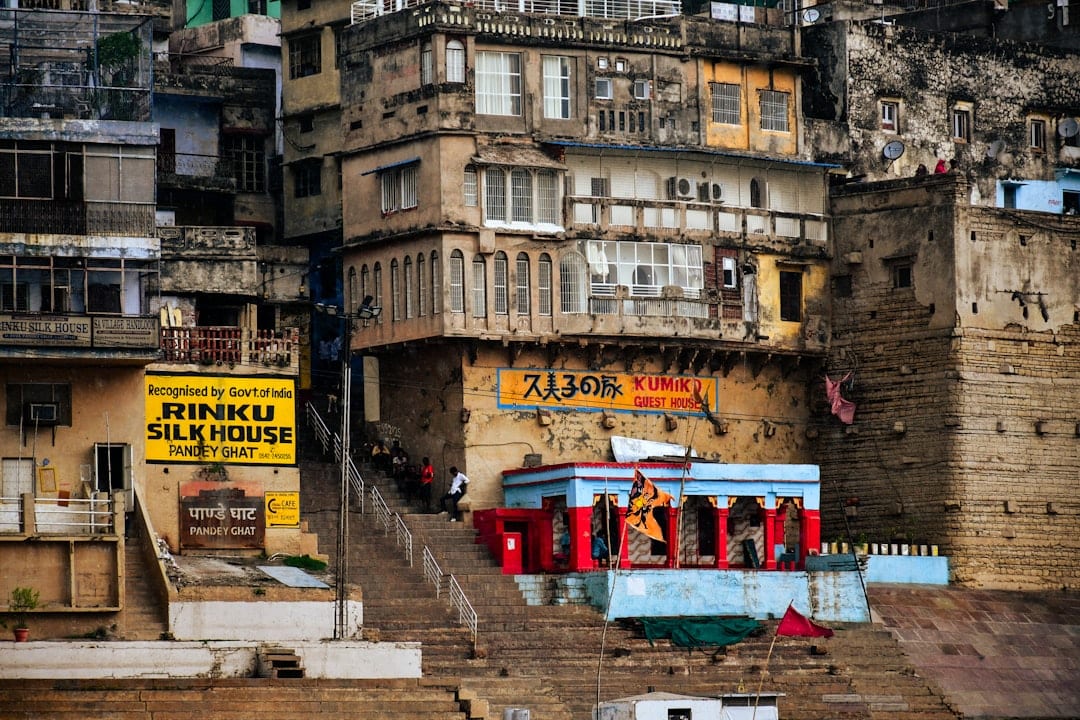
The ancient ghats and temples along the Varanasi riverfront
Vegetarian Dishes to Try
Varanasi is a vegetarian city by tradition, and the flavors are bold, comforting, and deeply local. After the emotional intensity of the Aarti, a warm meal restores both body and spirit.
- Kachori Sabzi — Fluffy deep-fried bread paired with spiced potato curry. A breakfast staple that works any time of day. Try it at shops near Godowlia Crossing.
- Banarasi Chaat — A tangy, crispy medley of potatoes, chickpeas, yogurt, and tamarind. Look for vendors near Dashashwamedh Ghat with the longest local queues.
- Thandai — A cold milk drink laced with saffron, cardamom, and nuts. Refreshing after an evening by the river. Non-bhang versions are widely available.
- Malaiyo — A seasonal winter dessert made from milk foam, saffron, and pistachios. It melts on the tongue and is unique to Varanasi.
- Banarasi Paan — The city’s iconic after-dinner ritual. Betel leaf wrapped with areca nut, rose petal preserve, and spices. An acquired taste, but part of the cultural fabric.
"The Ganga Aarti is not performed for tourists. It is performed for the river, for the gods, and for the city itself. When you watch it with that understanding, you stop being a visitor and become a witness."
Ready to Witness the Sacred Fires of Varanasi?
Varanasi does not reveal itself to the rushed or the unprepared. It asks for patience, respect, and curiosity. For Filipino travelers seeking a journey that transcends sightseeing, an evening at Dashashwamedh Ghat offers something far more enduring: a moment of genuine awe that stays with you long after you have returned home.
From securing your Indian e-Visa and arranging trusted local guides to booking safe boat rides and curating temple itineraries, Mesho Travel ensures every detail of your Varanasi experience is handled with care. Ready to experience the spiritual heart of India? Let Mesho curate your India pilgrimage and heritage journey—so you can arrive present, travel safely, and return transformed.
Quick Summary
- The Ganga Aarti at Dashashwamedh Ghat is Varanasi’s most powerful evening ritual—arrive 60–90 minutes early for the best viewing position.
- Dress modestly, bring a shawl for cool evenings, and keep your camera flash off during the ceremony.
- Boat rides offer a stunning perspective; negotiate prices clearly beforehand (shared ~₱70–140, private ~₱350–560).
- Explore nearby Kashi Vishwanath Temple and Manikarnika Ghat after the Aarti for a fuller cultural immersion.
- Savor local vegetarian specialties like kachori sabzi, chaat, and thandai in the old city lanes.
Related Reading
Priya Aquino-Menon — South Asia Travel & Culture Editor
With Filipino-Indian roots and years of experience navigating India's visa systems and spiritual landscapes, Priya writes to bridge cultures and make sacred destinations accessible. She believes the best travel stories begin where preparation meets reverence.


