


You have walked through Taipei's night markets, posed for photos at the lantern-lined alleys of Jiufen, and perhaps even sipped tea overlooking Sun Moon Lake. But there is another Taiwan—older, quieter, and deeply alive—that waits beyond the familiar itinerary. It lives in the mist-wrapped mountains of Wulai, where Atayal weavers still pass down geometric patterns that tell family stories. It breathes along the Pacific coastline of Hualien, where Amis communities welcome the harvest with songs that have echoed for centuries.
For Filipino travelers who crave authentic connection over extracted spectacle, Taiwan's indigenous heritage offers precisely that: a chance to witness living culture, not staged performances. This guide shows you how to engage with the Atayal and Amis peoples respectfully, what specific experiences are open to visitors, and how to weave these encounters into a broader Taiwan journey from Taipei.
Understanding Taiwan's Indigenous Roots: Atayal and Amis
Taiwan's indigenous peoples—officially recognized as 16 distinct tribes—have inhabited the island for thousands of years, long before Han Chinese settlers arrived. Today, they make up roughly 2.5% of Taiwan's population, yet their cultural imprint runs far deeper than numbers suggest. For visitors from the Philippines, where indigenous heritage is equally vibrant and often similarly marginalized, this parallel offers a natural bridge of understanding.
The Atayal of Wulai and the Northern Highlands
The Atayal are one of Taiwan's largest indigenous groups, traditionally concentrated in the mountainous regions of northern and central Taiwan. Their homeland spans mist-laden elevations where they developed sophisticated terrace farming, hunting practices, and one of the island's most distinctive textile traditions.
Wulai, a township just south of New Taipei City, serves as the most accessible gateway to Atayal culture. Here, the community has transitioned from remote mountain isolation to a place where tradition is deliberately maintained—elders still speak the Atayal language, and weaving is taught not merely as craft but as cultural preservation. The signature Atayal woven patterns, characterized by bold diamonds, zigzags, and animal motifs in red, black, and white, carry specific clan meanings. When you see these textiles in Wulai, you are looking at encoded family history.
The Amis of Hualien and the East Coast
On the opposite side of the island, the Amis people—Taiwan's largest indigenous tribe—have thrived for millennia along the fertile coastal plains and foothills of eastern Taiwan. Their traditional territory centers on Hualien and Taitung, where the Pacific Ocean meets agricultural abundance.
Amis culture is renowned for its communal harvest festivals, intricate age-grade systems that organize social responsibility, and a musical tradition centered on polyphonic singing. Unlike the mountain-dwelling Atayal, the Amis maintained extensive fishing and farming practices, and their villages historically featured large communal gathering halls called talu'an. For visitors, the Amis offer a distinctly coastal indigenous experience—one rooted in ocean rhythms, sticky rice cuisine, and collective celebration rather than individual craft mastery.
Cultural Etiquette for Respectful Engagement
Before you step into a tribal village or book a weaving workshop, understand this: Taiwan's indigenous communities are not living museums. They are contemporary neighborhoods where people work, study, and navigate modern life while safeguarding ancestral knowledge. Respectful visitation starts with that mindset.
Visiting Indigenous Villages
- Never enter private homes uninvited. Even in villages that welcome tourism, residential areas remain private. Stick to designated cultural centers, museums, and clearly marked workshop spaces.
- Dress modestly. Mountain and coastal villages tend to be conservative. Sleeveless tops and very short shorts may be acceptable in Taipei, but they signal casual disregard in tribal settings.
- Ask before photographing people. A smile and a gesture toward your camera go a long way. Many elders prefer not to be photographed, and some ceremonial spaces prohibit cameras entirely.
- Lower your voice in sacred spaces. Churches, ancestor halls, and certain weaving ateliers function as spiritual spaces. Treat them as you would a place of worship back home.
Workshops and Craft Purchases
- Pay fair prices without haggling. Indigenous handicrafts—hand-woven scarves, beaded jewelry, wooden carvings—represent hours of labor and cultural transmission. Bargaining is inappropriate and undermines the artisan's dignity.
- Choose workshops over passive demonstrations. A hands-on weaving session or cooking class creates reciprocal value. You learn a skill; the community earns income and asserts cultural pride.
- Credit the craft, not just the aesthetic. When you post photos of textiles or carvings, mention the tribal origin. Visibility matters for communities working to preserve recognition.
"We do not weave for tourists. We weave so our grandchildren will know who they are. Visitors who understand this difference are always welcome."
— Atayal weaving instructor, Wulai
Where to Experience Living Heritage
Specific, named experiences make the difference between respectful immersion and vague sightseeing. Here are the places where Filipino travelers can engage directly with Atayal and Amis culture.
Wulai Atayal Museum and Old Street
Start at the Wulai Atayal Museum, a modest but well-curated space that explains Atayal migration patterns, social structures, and the symbolism behind traditional facial tattoos—once markers of adulthood and weaving mastery. The museum provides essential context before you explore further.
From there, walk Wulai Old Street, where family-run shops sell millet wine (a traditional Atayal fermented drink), wild mountain vegetables, and woven accessories. Several ateliers offer short weaving workshops (typically 1–2 hours) where you can try operating a backstrap loom under guidance. Prices usually range from NTD 300 to 600 (approximately PHP 540 to 1,080), depending on complexity.
Just above the Old Street, the Wulai Scenic Gondola leads to Yunxian Park, but more culturally significant is the trail to Wulai Waterfall, where Atayal legend holds that ancestral spirits reside in the mist. You do not need to believe the myth to honor its meaning for the community.
Hualien Tribal Parks and Coastal Communities
In Hualien, skip the generic "aboriginal culture park" unless it is community-run. Instead, seek out local Amis ecotourism initiatives that operate in villages such as Ciwidian (also known as Flower莲溪, though specific village names vary by tour provider) or along the East Rift Valley.
Reputable experiences include:
- Amis fishing and foraging tours along the Hualien coast, where guides explain traditional fish-trap construction and coastal plant uses.
- Traditional cooking classes featuring Amis sticky rice (prepared in bamboo tubes), wild greens, and ocean-caught seafood.
- Evening storytelling circles in village gathering halls, where elders share oral histories in Amis language with Mandarin translation.
These programs typically require advance booking through community tourism cooperatives or responsible tour operators. Costs range from NTD 800 to 1,500 (approximately PHP 1,440 to 2,700) per person for half-day experiences.
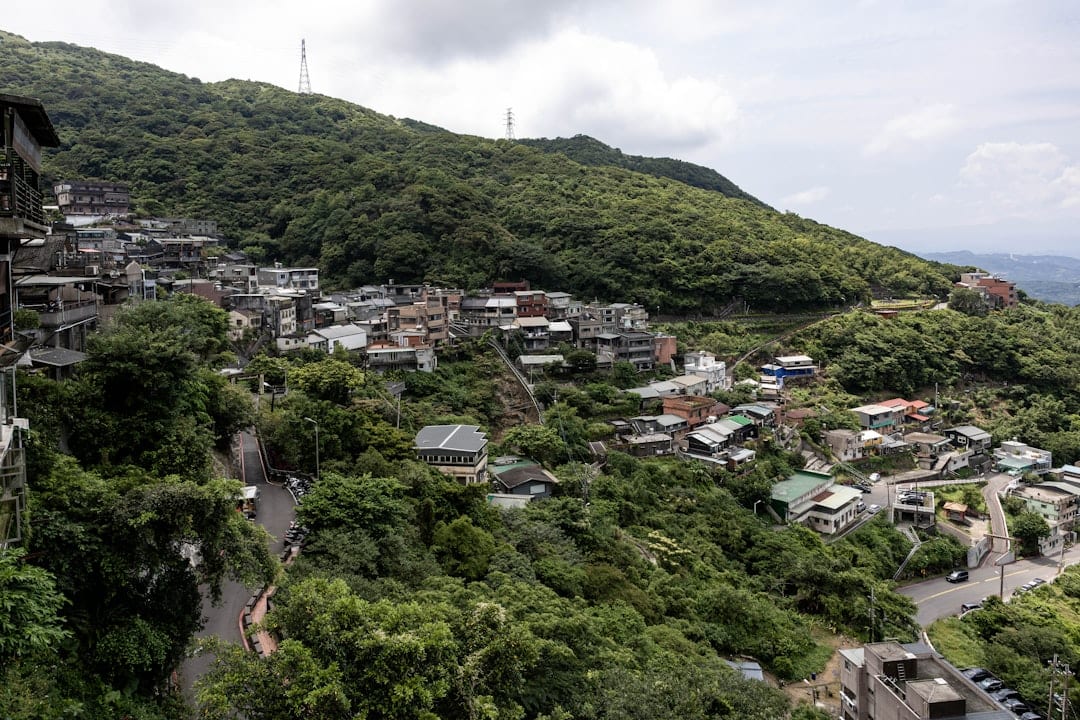
The mountain villages of Wulai and the coastal plains of Hualien form the twin heartlands of Atayal and Amis culture.
Building It Into Your Taiwan Itinerary
One of the practical advantages for Filipino travelers is that Taiwan's indigenous experiences integrate cleanly with standard Taipei-based itineraries. You do not need a separate trip—you need intentional scheduling.
Getting to Wulai from Taipei
Wulai is the easiest indigenous cultural stop. From central Taipei, take the MRT Green Line to Xindian Station, then transfer to Bus 849 directly to Wulai. Total travel time is roughly 60–75 minutes, and the bus drops you at the Old Street entrance. A day trip is entirely feasible, though an overnight stay at a local guesthouse allows for early-morning mountain atmosphere before day-trippers arrive.
Getting to Hualien from Taipei
Hualien requires more commitment but rewards it richly. The Taiwan Railways Administration (TRA) operates frequent trains from Taipei Main Station to Hualien Station. The Puyuma Express and Taroko Express complete the journey in approximately 2 hours. Standard trains take closer to 3 hours but cost less. One-way fares range from NTD 300 to 500 (approximately PHP 540 to 900).
Plan for at least two nights in Hualien: one day for tribal community experiences, another for Taroko Gorge (also traditionally Truku indigenous territory). This pairing respects the region's full cultural and geological significance.
Suggested Integration
| Itinerary Day | Focus | Indigenous Element |
|---|---|---|
| Day 3 | Taipei side trip | Wulai Atayal Museum + weaving workshop |
| Day 5–6 | East Coast shift | Train to Hualien; Amis community dinner |
| Day 7 | Hualien exploration | Amis fishing/cooking experience + Taroko Gorge |
If you are working from our Taiwan 5-Day Itinerary for First-Timers, simply substitute one Taipei leisure day for the Wulai excursion, then extend by two days for Hualien.
Planning your trip? Mesho Travel And Tours can arrange community-approved guides, workshop reservations, and Hualien train bookings as part of a curated Taiwan package. Explore our Taiwan destination page to start building your itinerary.
Seasonal Festivals and How to Participate Appropriately
Timing your visit around an indigenous festival can elevate your understanding, but it also demands heightened sensitivity. These are religious and social events, not entertainment products.
Amis Harvest Festival (Ilisin)
The Amis Harvest Festival, known as Ilisin, typically occurs between July and September, though exact dates vary by village and follow the lunar agricultural cycle. Each community sets its own schedule, and the festival traditionally marks the transition of young men into new age grades—a coming-of-age and social-obligation ceremony as much as a celebration of crops.
Some villages, particularly those with established tourism programs, designate specific days as "open" to outside guests. Others remain closed. Never assume you can simply show up. Verify access through official village tourism offices or reputable operators. If you are invited, dress modestly, remain standing during ceremonial dances unless asked to sit, and avoid crossing in front of elders or ritual leaders.
Atayal Ritual Calendar
The Atayal ceremonial year centers on millet cultivation and hunting cycles. The most significant public-facing observance is typically the harvest thanksgiving, celebrated in Wulai and surrounding townships during autumn months. Smaller weaving ceremonies happen year-round in cultural centers and are more accessible to visitors.
For Filipino Catholic travelers, the parallel may be instructive: attending an Atayal or Amis festival without invitation is akin to crashing a private barangay fiesta or religious procession unannounced. The joy is real, but the boundary matters.
Quick Summary: Respectful Indigenous Travel in Taiwan
- ➤ Choose community-run experiences over generic aboriginal theme parks. Look for workshops, homestays, and cooperatives directly managed by tribal members.
- ➤ Start with Wulai for an accessible Atayal introduction from Taipei, then extend to Hualien for deeper Amis immersion.
- ➤ Book workshops and festivals in advance through verified operators. Walk-ins may be refused, especially during ceremonial periods.
- ➤ Pay fair prices, ask permission before photographing people, and credit indigenous artisans when sharing their work online.
- ➤ Travel visa-free: Philippine passport holders enjoy 14-day visa-free entry to Taiwan through July 2027—perfect for a culturally immersive week.
Related Reading
Deepen your Taiwan journey with these curated guides:
- Taiwan 5-Day Itinerary for First-Time Filipino Travelers: Taipei to Jiufen — A solid foundation for integrating Wulai and Hualien into your route.
- Sun Moon Lake and Alishan: A Cultural Nature Itinerary — Explore Thao indigenous heritage in central Taiwan's mountain lake region.
- Taiwan Visa-Free Entry for Filipinos: What You Need to Know — Confirm your documents, e-Arrival Card, and entry requirements before departure.
Ready to Experience Taiwan's Living Heritage?
Taiwan's indigenous cultures are not a sideshow to bubble tea and skyscrapers. They are the island's original heartbeat, still pulsing in mountain looms and coastal gathering halls. For Filipino travelers who understand what it means to preserve heritage against modern pressures, these encounters offer something rare: genuine reciprocity.
Let Mesho curate your Taiwan journey
Author's Note: Grace Villareal is a Taipei-based travel editor who has spent years documenting border crossings, etiquette nuances, and cultural protocols across Northeast Asia. She believes the most rewarding travel happens when visitors stop performing tourism and start practicing respect. For questions about Taiwan indigenous community access or itinerary sequencing, Mesho's Northeast Asia specialists are ready to assist.


