


It's past midnight at the Woodlands checkpoint. The bus engine cuts off. Fifty passengers shuffle toward immigration counters with bags in hand, and you stand there wondering if you should have just booked that budget flight to Kuala Lumpur instead.
That moment of doubt is exactly why most Filipino travelers never consider the bus. Yet crossing from Singapore to Kuala Lumpur by road is one of Southeast Asia's most rewarding land journeys—if you know what to expect. The route unfolds through emerald palm plantations, serves surprisingly good coffee at highway rest stops, and drops you directly into the heart of KL without airport transfers or baggage claims.
This guide is built for backpackers and budget families who want to avoid flights but fear immigration confusion. You will learn which operators offer real value, how the border process works step by step, what you will pay in peso terms, and how to connect to your hotel once you arrive. By the end, you will board that bus with the confidence of someone who has done it a dozen times.
Choosing Your Bus Operator and Departure Point
Not all Singapore-KL buses are equal. The route attracts three distinct tiers of service, each suited to a different budget and comfort preference.
Premium Comfort: Aeroline and Transtar
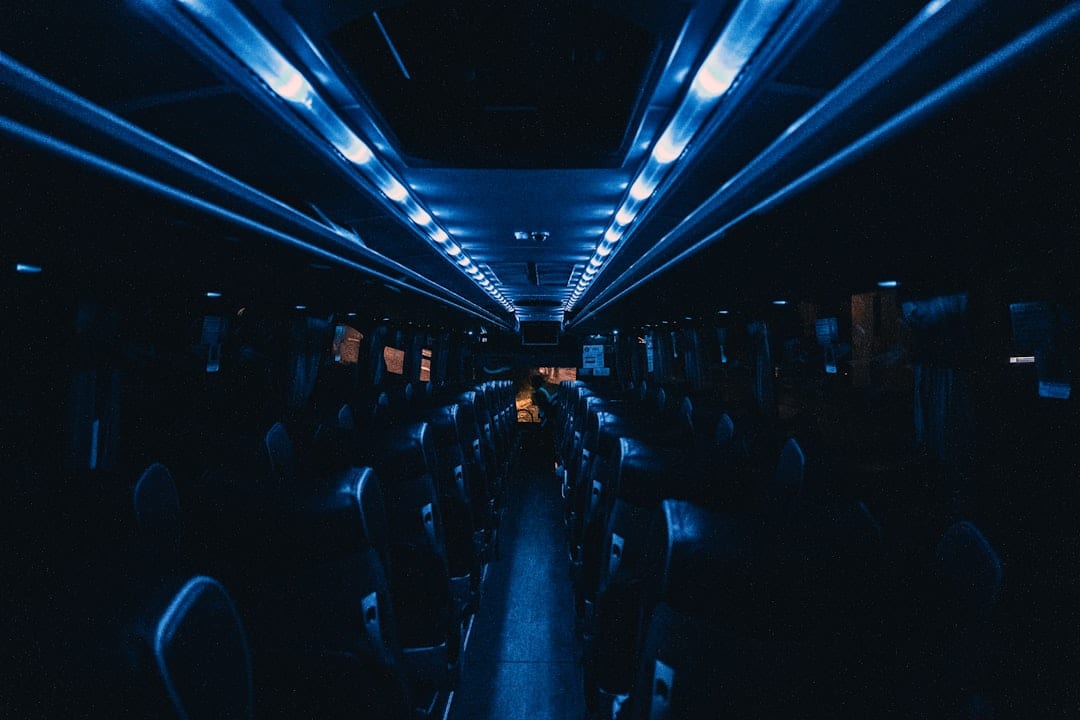
Aeroline operates from the Golden Mile Tower on Beach Road, departing for KL's Corus Hotel near KLCC. Their coaches feature only twenty-seven wide leather seats, onboard attendants, a small snack bar, and a clean restroom at the rear. The single-deck layout means no cramped staircases, and the attendants often help first-timers understand when to disembark for immigration.
Transtar Travel offers a similar premium experience with departures from both Golden Mile and Tuas. Their Solitaire service includes a personal entertainment screen and a hot meal served shortly after departure. If you are traveling with children or elderly family members, the extra legroom and attentive service justify the higher fare.
Budget Efficiency: Causeway Link and StarMart
Causeway Link is the workhorse of the route. Buses depart frequently from Kranji MRT station and the Tuas Second Link, making them ideal if you are staying in western Singapore or want to avoid the Golden Mile area entirely. Seats are standard recliners, there is no meal service, and the onboard restroom is basic, but the savings are significant.
StarMart Express and similar economy operators pack forty-five seats into a double-decker. These are best suited to solo backpackers who prioritize cost over comfort. Wi-Fi is advertised but rarely reliable; download your entertainment before boarding.
Golden Mile Complex vs. Tuas Second Link
Golden Mile Complex on Beach Road is the historic hub for Singapore-Malaysia buses. The building itself is a maze of food stalls, money changers, and ticket counters, so arrive at least thirty minutes early to locate your operator's booth. It is closest to the city center and well connected by MRT.
Tuas Second Link is newer, cleaner, and usually faster at immigration because fewer buses use it. However, it sits far from downtown Singapore. You will need to take the MRT to Tuas Link station and transfer to a shuttle bus. The trade-off is worth it during peak holiday weekends when Woodlands faces three-hour queues.
What Actually Happens at Immigration
This is where most first-timers freeze. The good news is that the process is mechanical and predictable once you understand the sequence.
Singapore Exit: Woodlands or Tuas
About forty-five minutes after departure, the bus reaches the Singapore immigration checkpoint. The driver will announce a stop time—usually twenty to thirty minutes. Take all your hand luggage with you; the bus will proceed to a designated parking bay on the other side.
Inside the checkpoint, foreign visitors queue at the manual immigration counters. Have your passport and Singapore departure card ready. Philippine passport holders do not need a departure card if you entered visa-free, but keep your entry stamp page accessible. The officer may ask how many days you stayed; answer honestly and concisely.
After clearance, look for your bus in the bay area. The driver or attendant usually holds a sign with the company name. If you cannot find it immediately, do not panic. Buses sometimes shuffle bays; ask the ground staff in the red vests for directions.
Malaysia Entry: Sultan Iskandar Building
The bus crosses the causeway—a short stretch of highway over water that takes about five minutes—then stops at the Malaysian side. Here you will go through Malaysian immigration.
Filipinos enjoy visa-free entry into Malaysia for up to thirty days, so you only need your passport. Since 2024, travelers should also complete the Malaysia Digital Arrival Card (MDAC) online before arrival. The immigration officer may ask for your return ticket and proof of accommodation; a printed hotel voucher or booking confirmation on your phone is sufficient.
Queues at the Malaysian side can be longer than Singapore's, especially on Friday evenings and Sunday afternoons when Singaporean weekend travelers flood the counters. Expect to wait anywhere from fifteen minutes to over an hour during peak periods.
Baggage Handling and Queue Strategy
Your large luggage stays in the bus cargo hold throughout the crossing. You only carry your hand-carried bags through immigration. This is why a compact backpack beats a rolling carry-on on this route—you will be walking up and down stairs and through crowded halls.
Wear comfortable shoes. The total walking distance between Singapore exit, the causeway crossing, and Malaysia entry can exceed five hundred meters if your bus parks in a distant bay. Families with toddlers should bring a baby carrier rather than a stroller.
Tickets, Timelines, and Onboard Reality
Understanding the true cost in Philippine pesos helps you decide whether the bus actually saves money compared to a budget flight.
| Operator | Fare (SGD) | Est. PHP | Duration | Wi-Fi / Meal |
|---|---|---|---|---|
| Aeroline | 45–55 | 1,890–2,310 | 5–6 hrs | Yes / Snack bar |
| Transtar Solitaire | 40–50 | 1,680–2,100 | 5–6 hrs | Yes / Hot meal |
| Causeway Link | 18–25 | 756–1,050 | 5.5–7 hrs | Spotty / None |
| StarMart / Economy | 12–20 | 504–840 | 6–7 hrs | No / None |
PHP estimates based on 1 SGD ≈ 42 PHP. Fares fluctuate during peak seasons and weekends.
Journey Duration and Comfort
The actual driving time between Singapore and Kuala Lumpur is roughly four hours. Border formalities add sixty to ninety minutes under normal conditions, and holiday traffic can stretch the total journey past seven hours. Morning departures between 7:00 AM and 9:00 AM typically encounter the shortest queues.
Premium buses offer reclining seats with generous legroom, individual USB charging ports, and functioning air conditioning set to a comfortable temperature. Budget double-deckers can feel cramped on the upper deck, and the air conditioning often runs arctic-cold. Bring a light jacket regardless of the class you book.
The View Between Borders
Once the anxiety of immigration fades, the journey reveals its charm. North of Johor Bahru, the highway cuts through endless corridors of oil palm plantations that shimmer emerald in the morning sun. On clear days, you can spot the layered hills of Gunung Pulai rising in the distance.
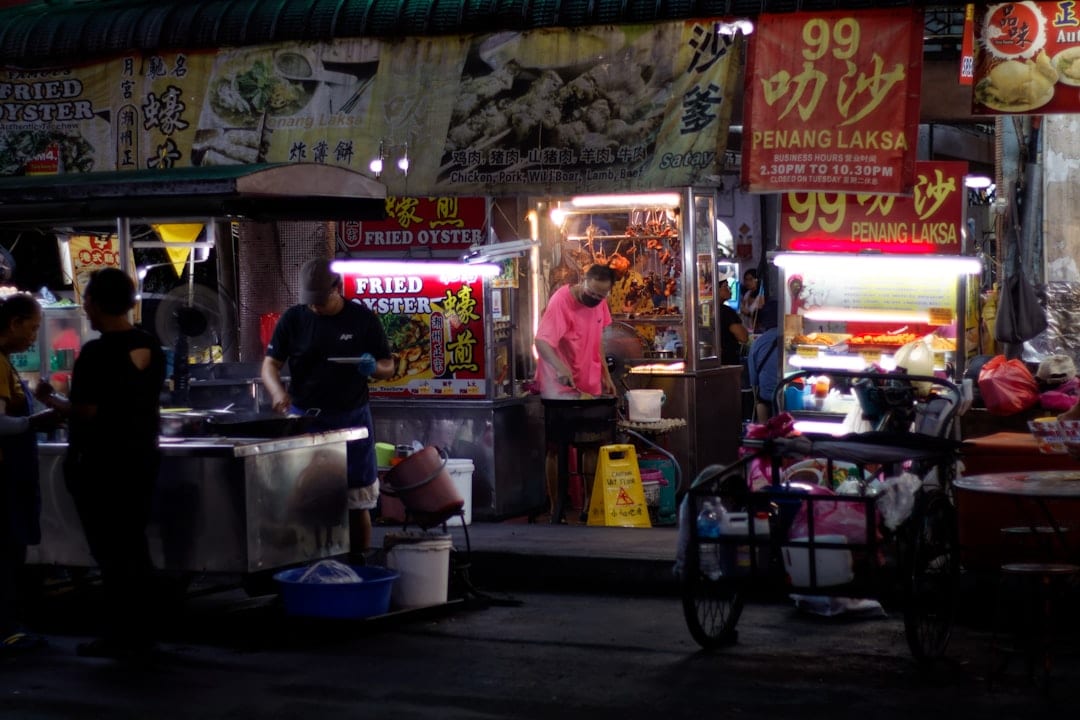
Most buses stop once at a highway rest area like Pagoh or Machap for fifteen minutes. The food court here is a microcosm of Malaysian highway culture—uncle-run stalls selling mee rebus, nasi lemak wrapped in banana leaf, and thick teh tarik pulled from steel mugs. Sharing a plastic table with strangers who are also stretching their legs creates an unexpected camaraderie. You are no longer just passengers; you are temporary traveling companions united by the same northbound road.
Planning your Singapore-Malaysia land crossing? Mesho can handle your bus bookings, hotel confirmations, and border paperwork so you only focus on the journey. Speak with our travel specialists to build your circuit.
Arriving in Kuala Lumpur
Your drop-off point determines how quickly you reach your hotel. Know which terminal your bus uses before you book.
TBS Terminal Bersepadu Selatan
Most economy and mid-range buses terminate at TBS, the main intercity bus station in southern KL. The station is modern, air-conditioned, and well organized, but it sits outside the city center. From TBS, you have three options:
- KLIA Transit / KTM Komuter: Connects TBS directly to KL Sentral in about fifteen minutes. Fares start at around MYR 6 (PHP 80). This is the fastest option during rush hour.
- Grab or taxi: Expect MYR 25–40 (PHP 330–530) to Bukit Bintang or KLCC. The ride takes twenty to forty minutes depending on traffic.
- Monorail and LRT: A budget option at under MYR 5 (PHP 65), but requires a transfer and is cumbersome with large luggage.
Berjaya Times Square and City Center Drop-offs
Premium operators like Aeroline often drop passengers at Berjaya Times Square in Bukit Bintang or the Corus Hotel near KLCC. These stops place you within walking distance of major hotels and shopping districts. If your hotel is in the Golden Triangle, paying extra for a city-center drop-off saves both taxi fare and travel time.
Visa Reminders for Philippine Passport Holders
Visa rules change, and assumptions at the border can turn a vacation into a detention room story. Here is what Filipino travelers need to know for this route.
Malaysia: Visa-Free Entry
As of 2026, Philippine passport holders enjoy visa-free entry into Malaysia for up to thirty days. You must present a passport valid for at least six months beyond your arrival date, a confirmed return or onward ticket, and proof of accommodation. The immigration officer may also ask for evidence of sufficient funds; a credit card or a bank statement on your phone is usually acceptable.
Remember to complete the Malaysia Digital Arrival Card (MDAC) online at least three days before your trip. Submission is free and mandatory. Print the confirmation or save it to your phone; officers occasionally ask to see it.
Singapore: Entry and Transit Requirements
Filipinos need a visa to enter Singapore for tourism purposes unless holding a valid visa or long-term pass from Australia, Canada, Germany, Japan, New Zealand, Switzerland, the United Kingdom, or the United States. If you are transiting through Singapore en route to Malaysia, you may qualify for the 96-hour Visa-Free Transit Facility (VFTF) if you meet the criteria: onward travel by air or sea within ninety-six hours, and you hold the required third-country visa.
However, traveling from Singapore to Malaysia by bus does not qualify for VFTF because the onward journey is overland, not by air or sea. If you plan to fly into Singapore, take the bus to KL, and fly out of KL, you need a valid Singapore visa for the inbound leg. Do not risk denial at Changi Airport based on a misunderstanding of this rule.
For the latest entry updates, read our dedicated guide on Malaysia entry requirements for Filipinos.
Insider Tips from the Road
These are the lessons that do not appear on booking websites but matter enormously on travel day.
- Book online in advance. Walk-up tickets at Golden Mile are possible but risky on weekends and Singapore public holidays. Operators like Aeroline and Causeway Link accept credit card bookings through their websites.
- Arrive early, but not too early. Thirty minutes before departure is sufficient at Golden Mile. At Tuas, allow sixty minutes because of the MRT-shuttle connection.
- Carry small currency. Rest stops and smaller ticket counters prefer cash. Keep SGD 10–20 and MYR 20–50 in small notes for snacks and emergencies.
- Label your luggage. Bags in the cargo hold sometimes get mixed during the border crossing shuffle. A bright luggage tag or ribbon prevents mix-ups.
- Download offline maps. Mobile data may not work immediately upon entering Malaysia. Having offline Google Maps for the TBS or Berjaya Times Square area helps you navigate to transport connections confidently.
"The first time I crossed by bus, I was terrified of getting lost at the border. But the process is so repetitive that by my third trip, I was helping other passengers find their bays. The key is simply knowing the sequence: off the bus, stamp out of Singapore, find the bus, cross the causeway, stamp into Malaysia, find the bus again. It never changes."
Quick Summary
- Best operators: Aeroline and Transtar for comfort; Causeway Link for budget efficiency.
- Border process: Clear Singapore exit, cross causeway, clear Malaysia entry—always in that order.
- Total journey: Five to seven hours depending on queue length and traffic.
- Cost range: PHP 500–2,300 one way depending on operator class.
- Visa: Malaysia visa-free for thirty days; Singapore requires a visa unless qualifying for VFTF by air/sea.
Related Reading
- Singapore to Malaysia: A 5-Day Land Crossing Itinerary for Filipino Travelers
- Malaysia Entry for Filipinos 2026: Visa-Free Stay, MDAC Requirements, and Immigration Tips
- Singapore on a Budget: Smart Travel Guide for Filipino Travelers 2026
About the author: Marco Dela Cruz is Mesho's ASEAN travel consultant, focused on land, sea, and air routing for Filipino travelers exploring Southeast Asia. He has personally crossed the Singapore-Malaysia border by bus, train, and private car over a dozen times and believes the journey is half the destination.
Ready to Travel Singapore and Malaysia by Land?
Let Mesho curate your Singapore-Malaysia circuit package. We handle your bus bookings, hotel reservations, and border guidance—so you arrive with confidence and travel with peace of mind.
Plan Your Land Crossing


