


You've seen the photos: petals drifting over a Kyoto canal, then a week later, pink tunnels lining a Seoul riverside. What most Filipino travelers don't realize is that these two moments can belong to the same trip. Because cherry blossoms open at different times across Japan and Korea, one well-routed spring journey can catch the season twice.
This guide walks you through a 10–14 day Japan-Korea cherry blossom itinerary built for Philippine passport holders departing from Manila. You'll learn how bloom timing actually works (and why fixed calendar dates mislead), how to route between the two countries, what the visa timeline looks like, and how Mesho's seasonal tour packages fit together — with real starting prices in pesos.
Quick summary
- Bloom dates shift every year — plan around forecast windows, not fixed dates
- A south-to-north route (Kyoto → Tokyo → Seoul) is worth considering to follow successive blooms
- Japan single-entry tourist visas must be used within 3 months of issuance — apply early, but not too early
- Mesho's Japan packages start at ₱48,000 (5–10 days); Korea packages from ₱45,000 (4–7 days)
- Start visa applications at least one month before departure; processing typically takes 7–10 business days
When Do Cherry Blossoms Actually Bloom? Timing Your Window
The single most important thing to understand: sakura dates are observations, not schedules. The Korea Meteorological Administration issues annual bloom forecasts that routinely differ from the long-term average — in one recent release, blooms were expected 1–3 days earlier than normal. In another year, the KMA Capital Region Office officially announced Seoul's bloom on April 3, based on its reference trees at Yeouido Yunjung-ro, a designated observation site since 2000.
What this means for your planning:
- Seoul generally blooms in early April, but the exact date moves year to year — treat "early April" as a window, not a promise.
- Kyoto and Tokyo typically peak around late March to early April, slightly ahead of Seoul in most years. Check the annual forecasts published each winter before locking flights.
- Busan, in Korea's south, usually blooms before Seoul — a consideration if you want to add a southern Korea stop.
- Full bloom lasts roughly a week per location, weather permitting; rain and wind can shorten it.
Book the window, not the date
Because forecasts are only released a few months ahead, choose travel dates that sit inside the typical bloom window for each city, and keep at least one flexible day per country. Our Japan Cherry Blossom Season Planner explains how the forecast cycle works in detail.
Festivals to Watch: Hanami and Jinhae
In Japan, hanami isn't a single festival with fixed dates — it's the nationwide tradition of picnicking under the blossoms whenever they open in each city. Convenience stores and department stores roll out seasonal bento and sakura-themed sweets during the bloom weeks; joining a local park picnic is one of the most authentic experiences you can have.
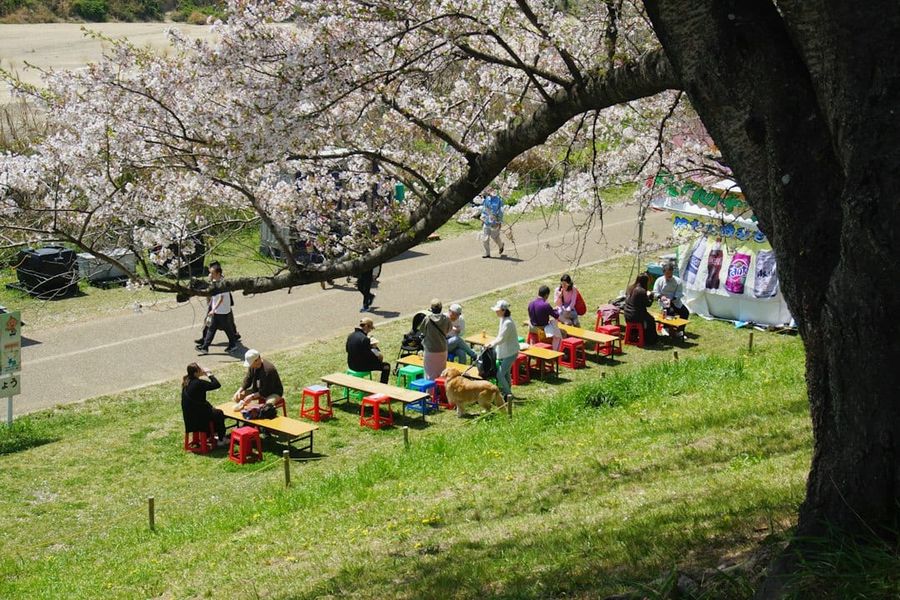
In Korea, the Jinhae Gunhangje Festival in Changwon — famous for the cherry-lined Yeojwacheon Stream and Gyeonghwa Station — is the country's largest blossom celebration, traditionally held around the turn of March into April. Its exact dates are announced annually by the city, so confirm the current year's schedule before building it into your route. Seoul's own Yeouido Spring Flower Festival follows the capital's bloom along Yunjung-ro.
Routing Between Japan and Korea: Flights, Ferries and Flow
For most Filipino travelers, the practical backbone of this trip is air travel: Manila → Osaka (for Kyoto) → Tokyo → Seoul → Manila. Short regional flights connect Japan's cities to Seoul in an afternoon, which is why combining both countries' blossom seasons in one journey is worth considering rather than treating them as separate trips.
A south-to-north flow — starting in Kyoto, moving up to Tokyo, then hopping to Seoul — is a routing many itineraries favor, since blooms generally open earlier in the south and later in the north. Treat it as a planning heuristic, not a guarantee; always cross-check the year's forecasts.
| Routing option | How it works | What to consider |
|---|---|---|
| Open-jaw flights (into Osaka, out of Seoul) | No backtracking; maximizes sightseeing days | Compare open-jaw vs. round-trip fares when booking |
| Short Japan–Korea flight (Tokyo/Osaka/Fukuoka → Seoul) | Frequent connections on regional carriers | Book early for spring; blossom season is peak demand |
| Ferry (southern Japan → Busan) | Historically an option from Fukuoka | Confirm current passenger service and schedules directly with the operator before relying on it |
Mesho's ticketing service books with airline partners Philippine Airlines, Cebu Pacific and AirAsia, plus international carriers at negotiated fares — useful when you're stitching together a multi-city spring route. For airport choices on the Tokyo leg, see our 7-Day Tokyo + Busan Itinerary.
The 10–14 Day Itinerary: Kyoto to Seoul
Here's a balanced framework that pairs blossom viewing with each country's essential cultural sites. Adjust the day counts to your leave credits — 10 days works if you trim Busan; 14 lets you breathe.
Days 1–4: Kyoto — Temples Under Petals
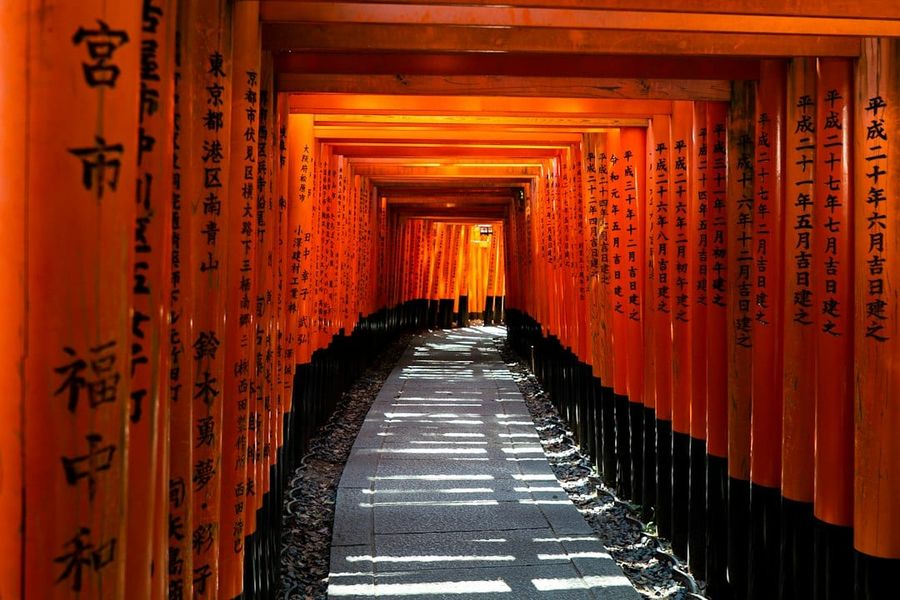
Fly Manila into Kansai International Airport. Kyoto in bloom is the emotional heart of the trip: canal-side walks, temple gardens dusted pink, and evening illuminations at select shrines.
- Fushimi Inari Shrine — arrive early morning to walk the vermilion torii gates before crowds build
- Arashiyama — riverside blossoms with the mountain backdrop; pair with the bamboo grove
- Higashiyama district — preserved lanes leading to Kiyomizu-dera, ideal for a slow afternoon
- Leave one evening free for a hanami-style picnic if the bloom aligns
Days 5–7: Tokyo — Neon and Blossoms
Take the shinkansen to Tokyo. Contrast Kyoto's quiet with the capital's energy:
- Riverside and park hanami spots across the city — check which are at peak when you arrive
- Asakusa and Senso-ji for old-Tokyo atmosphere; Shibuya and Shinjuku for the neon side
- A day trip toward Mount Fuji if skies are clear — spring haze can obscure the summit, so keep this flexible
Days 8–11: Seoul — Palaces and Pink Tunnels
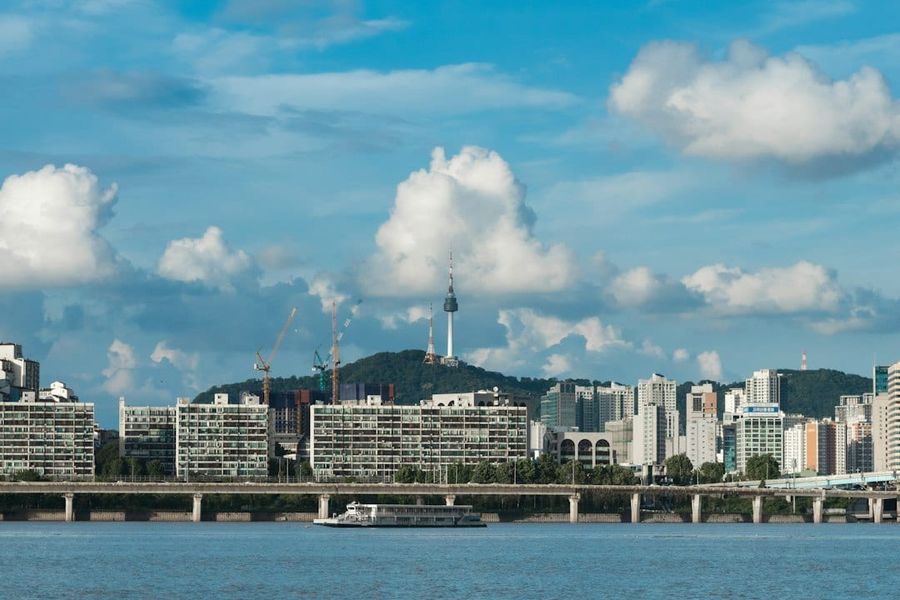
Fly Tokyo to Seoul. Time this leg for the capital's early-April window:
- Yeouido Yunjung-ro — the official reference avenue for Seoul's bloom, lined with mature cherry trees
- Gyeongbokgung Palace — rent a hanbok for free palace entry and photos against spring foliage
- Bukchon Hanok Village and Insadong for traditional lanes and tea houses
- Myeongdong evenings for street food and skincare runs
Days 12–14 (Optional): Busan or Jinhae Extension
If your dates align with southern Korea's earlier bloom and the Jinhae Gunhangje Festival schedule, take the KTX south. Yeojwacheon Stream's petal-covered water and Gyeonghwa Station's cherry tunnel are the festival's signature scenes. Otherwise, use these days for a slower Seoul pace or a Busan coastal day before flying home.
For a fully day-by-day version, our 2-Week Japan-Korea Itinerary maps out transport and pacing in detail.
Visas, Budget and Departure Logistics from Manila
Japan Visa: Apply Early — But Mind the 3-Month Clock
Philippine passport holders need a tourist visa for Japan. Per the Embassy of Japan in the Philippines, a single-entry tourism visa is valid for travel within 3 months of issuance, and requirements include:
- Signed passport and application form with a 4.5×3.5 cm photo
- PSA-issued birth certificate issued within the past year
- Bank certificate if you're shouldering your own expenses
The Embassy also announced eVISA issuance starting December 15, 2025, giving applicants an electronic option. For Korea, confirm the current tourist visa requirements for Philippine passport holders with the Korean Embassy or through your agency before applying — rules and fees change, and some group-tour arrangements differ from individual applications.
- 1
Set your travel window — pick dates inside the typical bloom windows for Kyoto, Tokyo and Seoul
- 2
Start visas at least one month before departure — Mesho's Japan and Korea visa assistance typically takes 7–10 business days
- 3
Time the Japan application carefully — the visa must be used within 3 months of issuance, so don't apply too far ahead
- 4
Lock open-jaw flights and the Japan–Korea hop — spring is peak season; earlier booking protects both price and seats
- 5
Keep one flex day per country — your buffer against an early or late bloom
What It Costs in Pesos
Mesho's best-selling Japan Travel Package — Kyoto's temples, Tokyo, cherry blossoms and Mount Fuji — runs 5–10 days from ₱48,000. The South Korea Travel Package — K-pop culture, culinary delights and historic palaces — runs 4–7 days from ₱45,000. Both sit within Mesho's Japan & Korea seasonal tours, which include visa assistance, international flights and overseas ground handling.
For a combined spring circuit, the total depends on your routing, dates and hotel tier — request a personalized quote rather than assuming a fixed sum. Our PHP budget breakdown for cherry blossom trips covers daily spending categories to plan around.
Planning your spring circuit?
Book a free 1-hour "Let's Meet" consultation at our Meycauayan office, or reach us at info@meshotravel.com / +63 906 053 9130. After your inquiry, our consultants craft a personalized itinerary within 24 hours.
Book a free consultationSpring Packing and Cultural Notes
Pack for Changeable Spring Days
Spring in both countries swings between crisp mornings and mild afternoons, and blossom weeks can bring sudden rain. Without relying on fixed averages, pack defensively:
- Layers over bulk — a light jacket plus cardigan beats one heavy coat
- Compact umbrella or rain shell — showers can cut a bloom short; you'll want to stay out anyway
- Comfortable walking shoes — this itinerary is walked, not ridden; temple grounds and palace courtyards add up
- A power bank and offline maps — you'll navigate trains and shoot photos all day
Check the actual forecast for each city about a week before departure and adjust.
Etiquette That Matters Under the Blossoms
- Japan: don't pull branches or pick flowers; carry your picnic trash out; keep voices moderate in residential hanami spots
- Korea: palace grounds ask for quiet respect; hanbok wearers get free palace entry — a lovely, legitimate photo opportunity
- Both: queues are orderly and tripods may be restricted at crowded viewpoints — follow posted signs
The travelers who enjoy sakura season most aren't the ones who hit every famous spot — they're the ones who left room to sit under one tree for an hour.
Ready to Chase Two Blossom Seasons in One Trip?
A Japan-Korea spring journey rewards the planner: forecast-aware dates, an early visa start, and a route that flows with the blooms instead of against them. Mesho Travel And Tours — a Department of Tourism-accredited agency founded in 2017 in Meycauayan, Bulacan, with 8+ years of experience and 24/7 travel support — builds these circuits end to end, from visa documents to ground handling in both countries.
Ready to experience sakura from Kyoto to Seoul?
Browse our Japan tour packages and Korea seasonal departures, or talk to a specialist who will shape the route around your dates, budget and bloom-window priorities.
Explore spring tour packagesRelated Reading
- 2-Week Japan-Korea Itinerary for Filipino Travelers
- Japan Cherry Blossom Season Planner for Filipino Travelers
- Japan Cherry Blossom Trip Budget for Filipinos: A PHP Breakdown
A note from Grace Villareal — I've covered Northeast Asia's border and entry details from Taipei for years, and the mistake I see most often on spring circuits is treating bloom dates like train timetables. Build your itinerary around windows, apply for your Japan visa with the 3-month validity clock in mind, and let the season surprise you a little. That's where the best travel memories live.
Sources
- Korea Meteorological Administration — annual cherry blossom forecast press release (2024)
- KMA Capital Region Office — Seoul bloom announcement, Yeouido Yunjung-ro (2024)
- Embassy of Japan in the Philippines — tourism visa requirements (2025)
- Embassy of Japan in the Philippines — eVISA announcement (2025)


