


You land at Narita, the hum of Tokyo's trains already pulling you forward. Two weeks later, you board your flight home from Busan with a camera full of temple gates, neon alleyways, and market stalls. A Japan-Korea circuit is one of the most rewarding trips a Filipino traveler can take — two distinct cultures, efficient transport networks, and a routing that actually makes sense when you plan it right.
This guide maps a 14-day Tokyo → Kyoto → Osaka → Seoul → Busan route designed to minimize backtracking and maximize what you see. It covers visas, transport passes, seasonal timing, and what to budget — all from a Philippine passport perspective.
Why This Route Works
The classic mistake is treating Japan and Korea as separate trips crammed together. A smarter approach threads them into one logical flow.
Tokyo → Kyoto → Osaka covers Japan's golden triangle. You get the neon intensity of the capital, the temple calm of the old imperial city, and the food-forward energy of the country's kitchen. From Osaka, you cross to Korea rather than doubling back to Tokyo.
Seoul → Busan gives you Korea's two essential cities: the palace-and-K-pop capital, and the coastal port with beaches, seafood markets, and a slower rhythm. Ending in Busan means your final days feel like a wind-down, and Gimhae International Airport offers a convenient exit point.
This routing also lets you use Japan's rail network fully before switching to Korea's KTX system, rather than paying for overlapping passes or redundant flights.
The 14-Day Itinerary Breakdown
Days 1–4: Tokyo — First Impressions and City Layers
Day 1 — Arrival and Shibuya Land at Narita or Haneda. Take the Narita Express or Airport Limousine Bus into the city. Base yourself in Shibuya or Shinjuku for transport links and evening energy. Walk Shibuya Crossing at dusk, then eat at a nearby izakaya.
Day 2 — Old Tokyo Start at Senso-ji Temple in Asakusa before the crowds arrive. Walk the Nakamise shopping street, then take the subway to Ueno Park for the museums or cherry blossoms if timing aligns. Evening in Akihabara or a quieter dinner in Yanaka.
Day 3 — Modern Tokyo Morning at TeamLab Planets or the Mori Art Museum in Roppongi. Afternoon in Harajuku and Omotesando for design shops and people-watching. End with a view from the Shibuya Sky observation deck.
Day 4 — Day Trip or Deep Dive Choose Kamakura for the Great Buddha and coastal temples, or stay in Tokyo for Tsukiji Outer Market breakfast and a Sumida River cruise.
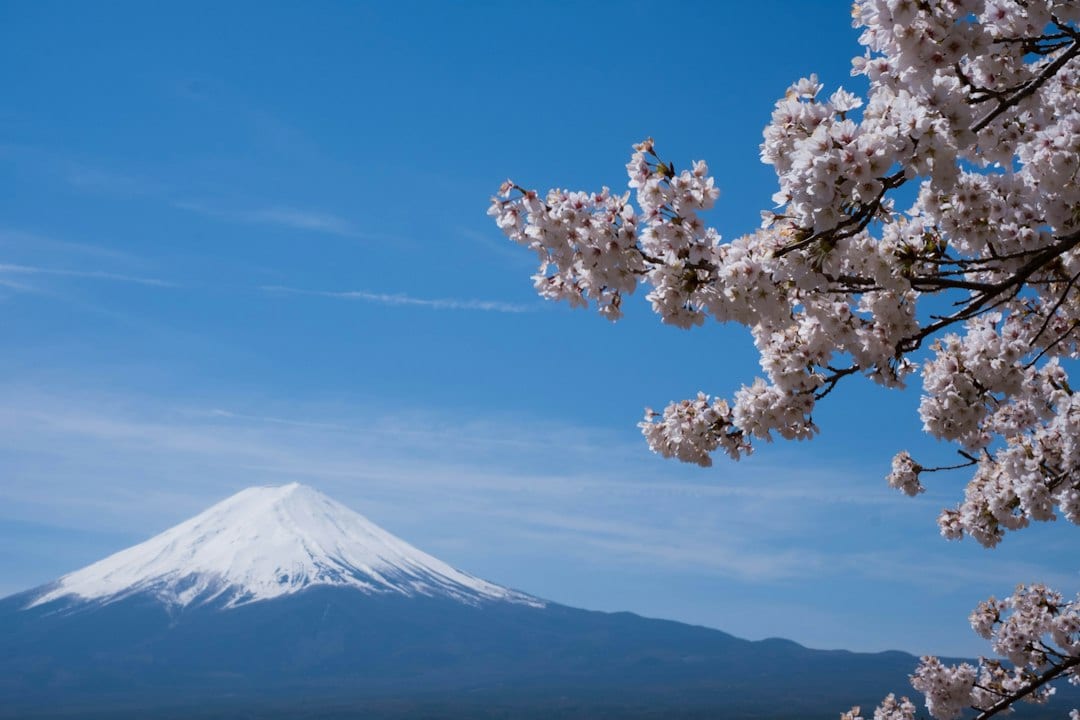 Mount Fuji framed by cherry blossoms — a highlight of any spring Japan itinerary
Days 5–7: Kyoto — Temples, Gardens, and Tradition
Take the Shinkansen from Tokyo Station to Kyoto Station — roughly 2 hours and 15 minutes on the Nozomi or Hikari services.
Day 5 — East Kyoto Base yourself near Gion or Kawaramachi. Morning at Kiyomizu-dera, afternoon walking the Philosopher's Path to Ginkaku-ji. Evening stroll through Pontocho Alley for dinner.
Day 6 — Arashiyama and Northwest Bamboo Grove early, then Tenryu-ji Temple. Afternoon at Kinkaku-ji (the Golden Pavilion) or Ryoan-ji for the rock garden.
Day 7 — Fushimi Inari and South Kyoto Full morning hiking the torii gates at Fushimi Inari Taisha. Afternoon at Tofuku-ji or the Fushimi sake district for brewery tastings.
Days 8–9: Osaka — Food, Castles, and the Crossover Point
Day 8 — Osaka Core Short train ride from Kyoto on the JR Kyoto Line. Morning at Osaka Castle, afternoon in Dotonbori for takoyaki and neon. Evening in Shinsekai for kushikatsu.
Day 9 — Day Trip or Last Japan Bites Choose Nara for the Todai-ji Great Buddha and free-roaming deer, or Kobe for wagyu lunch and harbor views. Spend your final evening in Umeda for skyline views from the Floating Garden Observatory.
Days 10–12: Seoul — Palaces, Neighborhoods, and K-Culture
Fly from Kansai International Airport (KIX) near Osaka to Incheon International Airport. Airlines including Philippine Airlines, Cebu Pacific, AirAsia, and Korean carriers operate this route.
Day 10 — Arrival and Central Seoul Take the Airport Railroad Express (AREX) to Seoul Station. Base yourself in Myeongdong, Hongdae, or Insadong. Afternoon at Gyeongbokgung Palace and the National Folk Museum. Evening street food in Myeongdong.
Day 11 — North of the River Morning at Bukchon Hanok Village for traditional architecture. Afternoon in Samcheong-dong for galleries and cafés, or Dongdaemun for design shopping. Evening K-pop experience in Gangnam or a noraebang session.
Day 12 — History and Modern Culture Changdeokgung Palace and its Secret Garden (book ahead). Afternoon in Itaewon or Ikseon-dong for boutique shops and international dining. Evening at N Seoul Tower for city views.
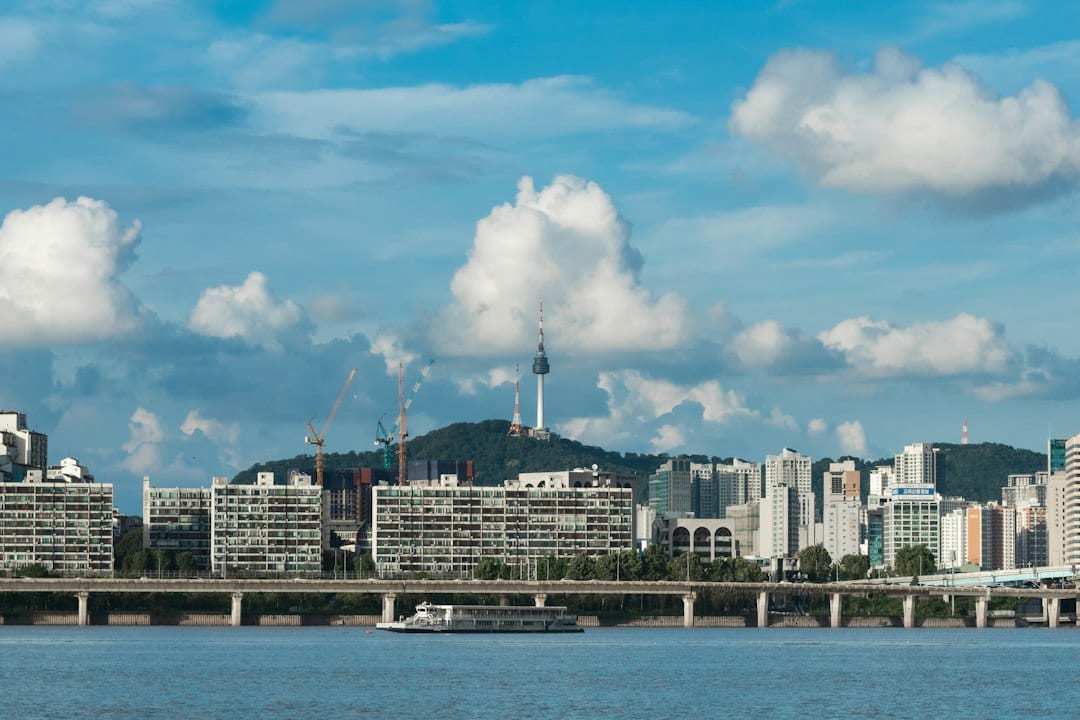 Seoul's Namsan Tower — best visited at sunset for panoramic city views
Days 13–14: Busan — Coast, Markets, and Departure
Take the KTX from Seoul Station to Busan Station — roughly 2.5 hours.
Day 13 — Busan's Two Faces Morning at Jagalchi Fish Market for seafood breakfast. Afternoon at Gamcheon Culture Village for colorful hillside houses and art installations. Evening walk along Haeundae Beach or Gwangalli Beach with the Gwangan Bridge lit up.
Day 14 — Final Morning and Departure Last temple visit at Haedong Yonggungsa, the seaside temple. Head to Gimhae International Airport for your flight back to Manila.
Visa Requirements for Philippine Passport Holders
Japan Visa
Philippine passport holders require a visa for all visits to Japan. Since April 7, 2025, applications are processed through the Japan Visa Application Centre (JVAC) operated by VFS Global.
Required documents:
- Signed passport valid for the duration of stay
- Photocopy of passport ID page
- Completed visa application form with one 4.5×3.5 cm photo
- PSA-issued Birth Certificate (issued within 1 year)
- PSA-issued Marriage Certificate for married applicants (issued within 1 year)
The good news: Japan tourist visa issuance is free. You only pay the JVAC service fee. Processing typically takes 7–10 business days, so start your application at least one month before departure.
Insider tip from Mesho's visa team: Submit your Birth Certificate and Marriage Certificate as fresh PSA copies even if you have old ones. Immigration officers flag documents issued more than a year ago.
Korea Visa
South Korea also requires a visa for Philippine passport holders. The standard tourist visa application goes through the Korean Embassy in Manila or designated travel agencies.
Typical requirements include:
- Valid Philippine passport
- Completed visa application form with photo
- PSA Birth Certificate
- Bank certificate and ITR showing financial capacity
- Travel itinerary and flight bookings
Processing times mirror Japan at roughly 7–10 business days. Mesho recommends starting both applications simultaneously since neither country offers visa-free entry for Philippine passport holders.
Apply Early
Mesho's visa assistance service handles both Japan and Korea applications. Because you need two separate visas for this trip, start the process at least six weeks before departure to avoid last-minute stress.
Transport Passes and Connections
Within Japan: The JR Pass Question
The Japan Rail Pass covers most JR trains including the Shinkansen (except Nozomi and Mizuho services). For this itinerary — Tokyo to Kyoto, Kyoto to Osaka, plus airport transfers — many travelers find value in a 7-day Ordinary Car pass.
What it covers on this route:
- Narita Express or Haneda Airport transfer to Tokyo
- Tokyo → Kyoto Shinkansen (Hikari or Kodama)
- Kyoto ↔ Osaka JR lines
- Osaka to Kansai Airport on the JR Haruka
Activate your pass on Day 1 or Day 2 depending on your airport transfer needs. If your Tokyo stay is front-loaded with local subway travel, activate it when you leave for Kyoto instead.
Japan to Korea: The Flight Connection
The most efficient crossover is Kansai International Airport (KIX) to Incheon International Airport (ICN). Flight time is roughly 2 hours. Budget carriers and full-service airlines both operate this route, with Philippine Airlines and AirAsia among the options Mesho partners with for discount fares.
Alternative routing via Fukuoka and ferry to Busan exists but adds transit time and complexity. For a first Japan-Korea circuit, fly.
Within Korea: KTX and Metro Passes
The Korea Rail Pass (KR Pass) covers KTX and conventional trains. For Seoul → Busan plus day trips, a 3-day or 5-day pass often pays off. Otherwise, buy KTX tickets individually at stations or via the Korail app.
In Seoul, get a T-money card at any convenience store for subway and bus rides. The system is English-friendly and reloadable.
When to Go: Seasonal Considerations
Spring (late March–May) brings cherry blossoms and mild temperatures. This is peak season — book hotels and Shinkansen seats early. Mesho's Japan packages highlight sakura viewing around Kyoto's temples.
Autumn (October–November) offers crisp air, fall foliage, and fewer crowds than spring. The colors in Kyoto's temple gardens and Seoul's mountain parks are exceptional.
Summer (June–August) is hot and humid with occasional monsoon rain. Budget travelers find lower hotel rates, but outdoor sightseeing is draining.
Winter (December–February) is cold but clear. Snow transforms temple roofs in Kyoto and creates a different atmosphere entirely. Pack layers and thermal underlayers.
Mesho's seasonal tours for Japan and Korea are structured around spring and autumn windows when weather, scenery, and transport reliability align best.
Budget Planning in PHP
A realistic daily budget for this 14-day circuit ranges from ₱5,000–₱8,000 per person excluding international flights, with Japan days typically costing more than Korea days.
| Expense Category | Japan (per day) | Korea (per day) |
|---|---|---|
| Budget hotel/hostel | ₱2,500–₱4,000 | ₱1,500–₱2,500 |
| Mid-range hotel | ₱4,500–₱7,000 | ₱2,500–₱4,500 |
| Meals (mix of local and casual) | ₱1,500–₱2,500 | ₱1,000–₱1,800 |
| Local transport | ₱800–₱1,200 | ₱500–₱800 |
| Attractions and activities | ₱1,000–₱2,000 | ₱500–₱1,500 |
Total estimated ground cost: ₱70,000–₱112,000 for 14 days excluding flights and visas.
International flights: Manila–Tokyo and Busan–Manila (or reverse) vary widely by season and booking window. Mesho partners with Philippine Airlines, Cebu Pacific, AirAsia, and international carriers to find discount fares.
Pre-planned package alternative: Mesho's Japan tour packages start from ₱48,000 for 5–10 days, and Korea packages start from ₱45,000 for 4–7 days. A custom 14-day combined itinerary can be designed through Mesho's travel consultants.
Want a personalized 14-day Japan-Korea itinerary with flights, hotels, and visas handled? Mesho's consultants craft your route within 24 hours.
Plan my tripPractical Tips from the Ground
Pocket Wi-Fi vs. SIM: Rent a pocket Wi-Fi device at Narita or Incheon for multi-device connectivity, or buy local SIM cards in each country. Both airports have rental counters past immigration.
Cash is still king in Japan: While credit cards are increasingly accepted, many small restaurants and temples in Kyoto and Osaka are cash-only. Withdraw from 7-Eleven ATMs with a Philippine debit card. Korea is more card-friendly but keep won for street food.
Learn basic phrases: "Arigatou gozaimasu" and "kamsahamnida" go further than you expect. English signage is good in tourist areas, but a translation app like Google Translate with camera mode helps with menus.
Pack light for Shinkansen luggage: Overhead space is limited. Use coin lockers at stations for day-trip bags, or ship luggage ahead via takuhaibin services — hotels can arrange this.
Book palace tours in advance: Changdeokgung's Secret Garden in Seoul and some Kyoto temple experiences require reservations, especially in spring and autumn.
Tipping is not expected: In both countries, excellent service is the standard and tipping can create awkwardness. A polite bow or verbal thanks is the appropriate gesture.
Quick Takeaways
- Route Tokyo → Kyoto → Osaka → Seoul → Busan to minimize backtracking and use each country's rail pass efficiently
- Philippine passport holders need visas for both Japan and Korea; start applications at least one month before departure
- Activate the JR Pass when leaving Tokyo for Kyoto, not on arrival day
- Spring and autumn offer the best balance of weather, scenery, and crowd levels
- Budget ₱5,000–₱8,000 per day excluding flights, with Japan costing roughly 30–40% more than Korea
- Mesho's visa assistance and custom itinerary service handles both countries in one booking flow
Related Reading
- Japan 8-Day Itinerary: Tokyo, Kyoto, and Osaka for First-Time Filipino Travelers
- Seoul, Busan & Jeju: The Perfect 10-Day South Korea Itinerary for Filipino Travelers
- Japan Visa Application for Filipinos 2026: Complete Step-by-Step Guide
Grace Villareal is a Taipei-based travel editor who has spent years covering Northeast Asia. She specializes in border logistics, cultural etiquette, and helping Filipino travelers navigate the entry requirements and transport systems of Japan, Korea, Taiwan, and Greater China.

