


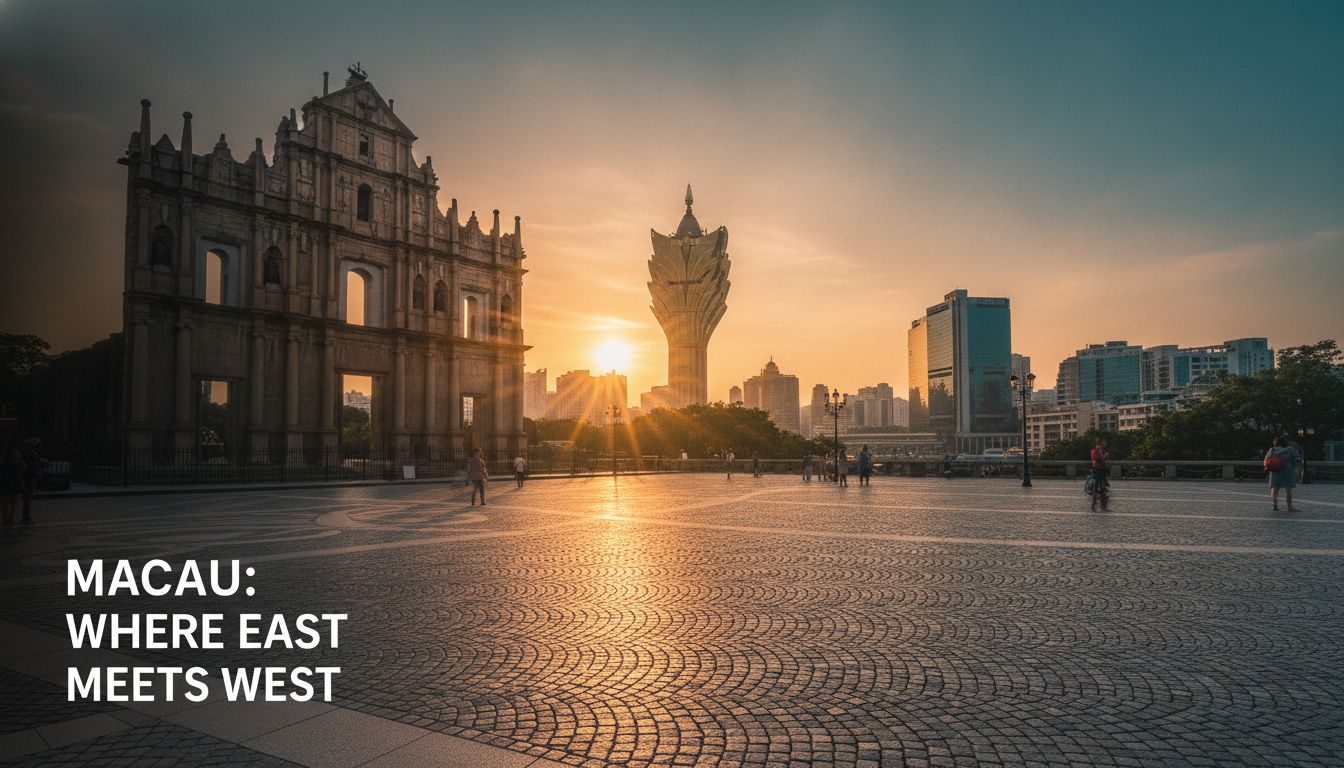
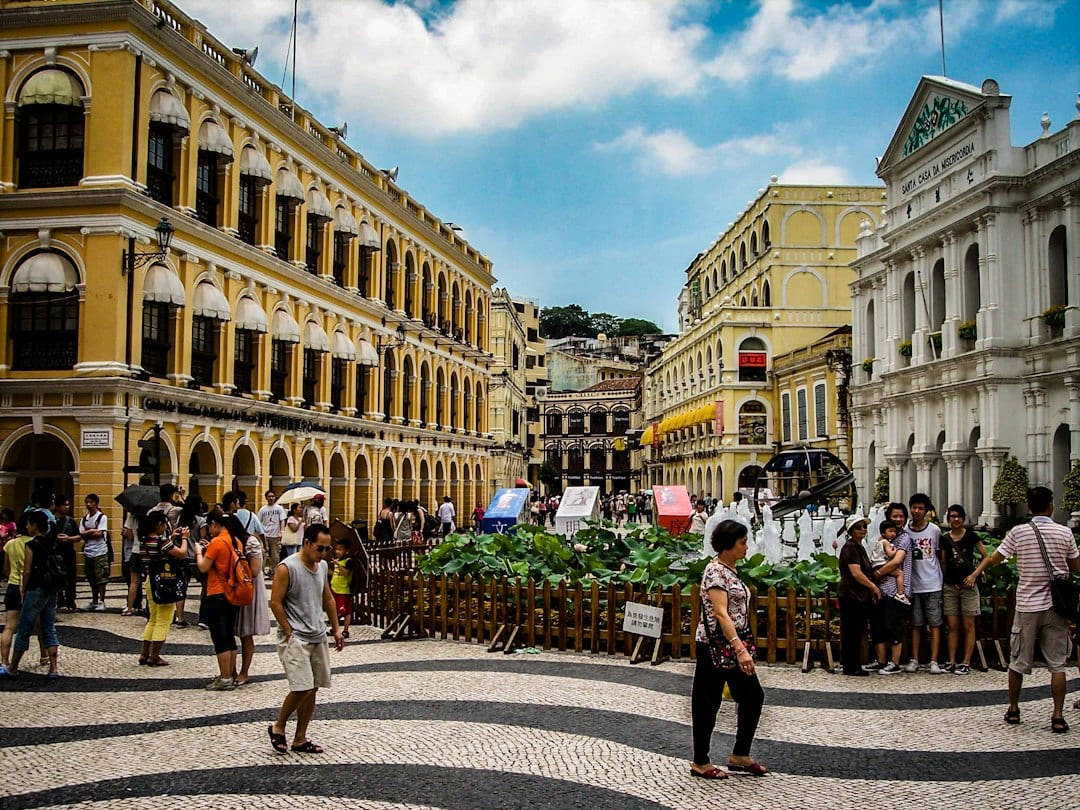
Picture yourself walking through Senado Square's wave-patterned cobblestones, past pastel Portuguese facades, then stepping into a world-class performance at the Venetian Macao — all without standing in line at a consulate. For Filipino travelers, that scenario is fully possible in 2026.
Macau operates its own immigration rules separate from mainland China, and Philippine passport holders benefit from a straightforward visa-free entry policy for short tourism visits. Still, "visa-free" does not mean "document-free." Immigration officers can ask for proof of onward travel, accommodation, and sufficient funds, and the rules change slightly depending on whether you fly directly into Macau or arrive by ferry from Hong Kong.
This guide breaks down the 2026 entry rules, the exact documents to prepare, the differences between Macau and mainland China visa policy, and step-by-step arrival procedures for both air and ferry routes.
The Short Answer: Yes, Filipinos Can Enter Macau Visa-Free
Philippine passport holders can enter Macau visa-free for tourism and business visits of up to 30 days. This applies to entry by air, sea, or land from Hong Kong or mainland China. Your passport must be valid for at least six months beyond your intended stay.
The 30-day count begins on the day you clear immigration. If you want to stay longer, you must apply for an extension through the Macau Immigration Department before the initial 30 days expire — do not overstay, as fines and entry bans apply.
Important distinction:
Macau's visa-free privilege is a policy of the Macau Special Administrative Region (SAR). It is not the same as China's visa policy. Entering mainland China still requires a Chinese visa for most Filipino travelers, with only limited exceptions such as the 144-hour visa-free transit scheme at select ports.
Documents You Must Prepare Before Departure
Even with visa-free access, Macau immigration officers are entitled to check that you are a genuine visitor. We recommend carrying both printed and digital copies of the following:
- Valid Philippine passport — at least six months validity from your date of entry.
- Return or onward ticket — a confirmed flight or ferry reservation leaving Macau within 30 days.
- Proof of accommodation — hotel voucher, booking confirmation, or a signed invitation letter if staying with a resident.
- Proof of sufficient funds — recent bank statements, credit card, or cash equivalent to cover your stay.
- Travel itinerary — especially if you are combining Macau with Hong Kong, Zhuhai, or other destinations.
Officers rarely ask for every item, but having them ready prevents delays. If you are traveling with minors, bring a DSWD travel clearance and a copy of the parents' identification.
Macau vs. Mainland China: Two Different Systems
This is where many Filipino travelers get confused. Macau is part of China under the "one country, two systems" framework, but it maintains its own border control, currency, laws, and visa policies.
In practical terms, you can fly into Macau, spend several days there, then cross into Zhuhai on foot at the Gongbei or Hengqin port — but only if you already hold a valid Chinese visa. Some Mesho packages combine Macau with Guangzhou and Shenzhen precisely because the logistics differ; your agent handles the Chinese visa separately while Macau remains visa-free.
If you are considering a multi-city Pearl River Delta trip, review the latest rules on our Visa & Entry Requirements for Filipino Travelers 2026–2027 page before booking anything non-refundable.
Arriving by Air vs. Ferry from Hong Kong
Most Filipino visitors reach Macau in one of two ways: a direct flight to Macau International Airport, or a ferry ride from Hong Kong after flying into HKG. Each route has its own arrival flow.
Option A: Flying Directly into Macau
- Book a flight to Macau International Airport (MFM) in Taipa. Airlines from Manila typically include Philippine Airlines, Cebu Pacific, and AirAsia, depending on the season.
- Complete the arrival card handed out on the plane or available at immigration.
- Proceed to the foreign-passport immigration counters. Present your Philippine passport, return ticket, and accommodation proof.
- Receive your entry stamp and collect your luggage.
- Exit to the public transport area. Free hotel shuttles, taxis, and buses connect the airport to the Macau peninsula and Cotai.
Option B: Ferry from Hong Kong
This is the classic Hong Kong + Macau combo. You fly into Hong Kong International Airport, then take a ferry directly to Macau without entering Hong Kong proper — or you can spend a few days in Hong Kong first and depart from the city ferry terminals.
- From Hong Kong Airport, follow signs to SkyPier for ferry transfer. Major operators are TurboJET and Cotai Water Jet.
- Check in your luggage at the ferry counter; bags are usually transferred automatically to the ferry.
- Board the ferry to either Outer Harbour Ferry Terminal (near downtown Macau) or Taipa Ferry Terminal (near Cotai resorts).
- On arrival, clear Macau immigration with the same documents: passport, return ticket, accommodation, and proof of funds.
- Collect luggage and proceed to the taxi or hotel shuttle area.
Filipino traveler tip:
If you are not staying in Hong Kong, the SkyPier transfer lets you skip Hong Kong immigration entirely. If you want to explore Hong Kong first, you will clear Hong Kong immigration, then board a ferry from Sheung Wan or Tsim Sha Tsui to Macau later.
Planning your Macau trip?
Mesho Travel And Tours can arrange your flights, ferry tickets, hotel stay, and optional side trips to Hong Kong or Zhuhai.
Chat with us on WhatsAppCommon Mistakes to Avoid
A visa-free stamp is not a guarantee of entry. Avoid these frequent errors that can cause denial of entry or a stressful start to your holiday:
- Assuming Hong Kong and Macau share one visa policy. They do not. Hong Kong also allows Filipinos visa-free, but each destination stamps you separately.
- Booking a one-way ticket. Without proof you will leave Macau within 30 days, immigration may refuse entry.
- Forgetting Chinese visa requirements for side trips. A day trip to Zhuhai or Shenzhen requires a China visa unless you qualify for a specific transit exemption.
- Carrying only digital documents. Phone batteries die and airport Wi-Fi can be slow. Keep printed backups of your hotel voucher and return ticket.
Quick Takeaways
- Philippine passport holders can enter Macau visa-free for up to 30 days in 2026.
- You still need a valid passport, return ticket, hotel booking, and proof of funds.
- Macau's visa rules are separate from mainland China's; a China visa is required for Zhuhai or Shenzhen unless an exemption applies.
- Arrive by direct flight to MFM or by ferry from Hong Kong; both routes use Macau immigration.
- Always check the latest rules on our Visa & Entry Requirements page before departure.
Related Reading
Hong Kong First-Timer's Guide for Filipinos
Transport, food, and neighborhood tips for pairing Hong Kong with your Macau trip.
Macau–Zhuhai–Guangzhou–Shenzhen 5-Day Circuit
How to build a multi-city Pearl River Delta itinerary that includes visa-free Macau.
China Visa-Free Transit for Filipinos 2026
When you can enter mainland China without a visa under the 144-hour transit scheme.
Ready to experience Macau?
Let Mesho Travel And Tours curate your Macau journey — from visa guidance and flight bookings to hotel stays, ferry transfers, and guided day trips.
Request a Macau Tour PackageOr call us at +63 906 053 9130
Grace Villareal is a Taipei-based travel editor who has covered Northeast Asia and Greater China for over a decade. She specializes in border-entry logistics, cross-border etiquette, and practical itinerary planning for Filipino travelers exploring Macau, Hong Kong, Taiwan, Japan, and Korea.


