


You have finally booked that flight to Danang. The Golden Bridge photos look unreal. Hoi An's lantern-lit streets keep appearing on your feed. But now the questions creep in: How do I get from the airport to the hotel? Is Bana Hills a full-day commitment? Will I have time to actually enjoy Hoi An, or is this just a photo sprint?
This guide breaks down exactly what happens each day on Mesho's standard Danang–Bana Hills–Hoi An 4D3N package. No vague promises. Just route flow, realistic travel times, out-of-pocket costs in Philippine pesos, and the practical prep work that turns a good trip into a seamless one.
Day-by-Day Route Flow
Central Vietnam is compact, but the geography still demands smart sequencing. Here is how the days unfold, including transport modes and approximate door-to-door travel times.
Day 1 — Arrival in Danang & City Grounding
Most flights from Manila land at Danang International Airport (DAD) by midday or early afternoon. Philippine passport holders enjoy visa-free entry for up to 21 days, so immigration is usually a quick stamp-and-go.
Your Mesho package includes airport pickup. The drive to a beachside hotel in the My Khe Beach or Bach Dang Street area takes roughly 10 to 15 minutes. Check-in, freshen up, and ease into the timezone.
Afternoon options (self-guided or arranged):
- My Khe Beach — A 5-minute walk from most hotels in the beach zone. Watch the late-afternoon fishermen pull in their nets.
- Han Market — 10 minutes by Grab. Think Divisoria meets Ben Thanh: silk, dried jackfruit, and coffee beans at local prices.
- Marble Mountains — 15 minutes south by car. Five limestone peaks riddled with caves and pagodas. Climb to the summit for a panoramic coastline view.
Dinner recommendation: Mi Quang Ba Mua on Nguyen Du Street for the namesake turmeric noodles, or Be Man Seafood on Hoang Sa Road for grilled squid and clams by the ocean. Budget roughly PHP 250–400 per person for a generous meal.
Day 2 — Bana Hills & the Golden Bridge
Bana Hills sits 35 kilometers west of Danang, about 45 to 60 minutes by private car or shuttle. The road winds through rural highlands before you reach the cable car base station.
The cable car itself is part of the spectacle. It holds a Guinness record for length, and the 20-minute ascent carries you from tropical heat into cool mountain air. By the time you step out at the top, the temperature has dropped by roughly 8 to 10 degrees Celsius.
On-site flow (typically 6 to 7 hours total):
- Golden Bridge — Arrive early to beat the mainland tour buses. The giant stone hands and misty valley backdrop are exactly as dramatic as the photos suggest. Best light is before 9:00 AM.
- French Village — Cobblestone squares, faux-European architecture, and surprisingly decent bakeries. It is kitschy but atmospheric, especially when the fog rolls in.
- Linh Ung Pagoda — A 27-meter white Buddha visible from much of the resort. Quiet gardens for a breather between crowds.
- Lunch — Most package inclusions cover a buffet at the Beer Plaza or a similar on-site restaurant. Quality is standard resort fare; temper expectations.
Return to Danang by late afternoon. The evening is yours to recover. Grab a ca phe sua da (Vietnamese iced coffee) at Cong Caphe along the Han Riverfront and watch the Dragon Bridge breathe fire at 9:00 PM on weekends.
Day 3 — Hoi An Ancient Town
Hoi An lies 30 kilometers south of Danang, roughly a 45-minute drive along a well-paved coastal road. Many travelers do this as a day trip, but Mesho's itinerary gives you a full day to absorb the town without rushing.
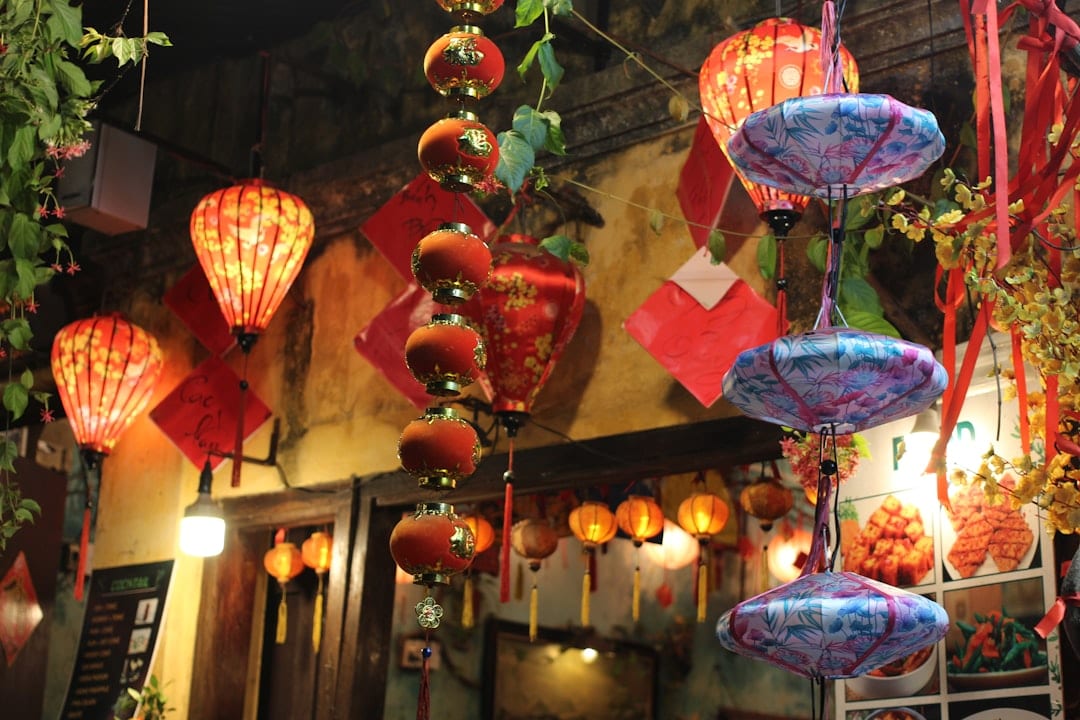
Hoi An Ancient Town comes alive at dusk when hundreds of silk lanterns glow along the Thu Bon River.
Morning: Walk the UNESCO-protected old town. Key stops include the Japanese Covered Bridge (built in the 1590s), Tan Ky Old House, and the Fujian Assembly Hall. The architecture is a layered palimpsest of Japanese merchant houses, Chinese clan halls, and French colonial shophouses.
Lunch: Morning Glory Original on Nguyen Thai Hoc Street. Their cao lau — thick rice noodles with pork and greens, unique to Hoi An — is the benchmark. Alternatively, Banh Mi Phuong for what Anthony Bourdain called the best banh mi in Vietnam. Expect to spend PHP 150–300.
Afternoon: Tailor shop visits or a bicycle ride to Tra Que Vegetable Village, 3 kilometers northeast. Farmers here have grown organic herbs in seaweed-enriched soil for over 400 years. You can join a short farming demo if booked in advance.
Evening: This is when Hoi An earns its reputation. At dusk, motorbikes are barred from the old town core. Lanterns ignite along the Thu Bon River. The lantern boat ride (optional add-on, roughly PHP 250–400) lets you release paper lotus candles onto the water — touristy, yes, but undeniably atmospheric.
Day 4 — Leisure & Departure
With most flights departing in the afternoon or evening, Day 4 is intentionally light. Sleep in, walk the beach, or pick up last-minute danang weasel coffee and dried mango at Lotte Mart or Big C.
Airport transfer is included. The drive from My Khe to DAD takes 10 to 15 minutes. If your flight is after 4:00 PM, you can add a quick morning visit to the Linh Ung Pagoda on the Son Tra Peninsula — home to the 67-meter Lady Buddha statue — though this is best arranged as an add-on since it adds roughly 3 hours to your morning.
What's Included vs. What's Extra
One of the biggest sources of traveler anxiety is not knowing where the package ends and your wallet begins. Here is the clear split for Mesho's standard 4D3N offering:
| Inclusions | Add-Ons / Out-of-Pocket |
|---|---|
| 3 nights hotel in Danang (twin sharing) | Single room supplement |
| Daily breakfast at hotel | Lunch & dinner except where noted |
| Round-trip airport transfers | Personal Grab rides during free time |
| Bana Hills day tour with cable car & buffet lunch | Wax museum, arcade games, alpine coaster at Bana Hills |
| Hoi An day tour with guide & transfers | Hoi An lantern boat ride (PHP 250–400) |
| English-speaking guide on scheduled tours | Tailoring services & souvenirs |
| Travel insurance (basic coverage) | Tips for guides & drivers (PHP 200–500/day) |
"The standard package covers all the heavy logistics. Your out-of-pocket spend is really just food, a few optional experiences, and tipping. For most Filipino travelers, PHP 3,000–5,000 in pocket money covers four days comfortably."
Realistic Budget Estimates in PHP
These figures are per person, outside the package price, based on current exchange rates and typical Central Vietnam pricing. They assume moderate choices — not shoestring, not luxury.
| Item | Estimated Cost (PHP) | Notes |
|---|---|---|
| Lunch (Day 1, 3, 4) | 150–400 | Local restaurants; higher at beachfront venues |
| Dinner (3 evenings) | 250–600 | Seafood skews higher; street food skews lower |
| Coffee / drinks | 60–150 | Ca phe sua da at local shops |
| Hoi An lantern boat | 250–400 | Per boat, usually shared by 2–4 people |
| Grab / local transport | 100–300 | For free-time movement around Danang |
| Tips (guides & drivers) | 200–500 | Per day; not mandatory but appreciated |
| Total pocket money | 3,000–5,000 | For 4 days; excludes shopping & tailoring |
Vietnam is still largely a cash economy outside hotels and major restaurants. Bring crisp US dollars to exchange, or use a debit card at BIDV and Vietcombank ATMs (they tend to have higher withdrawal limits and lower fees). Keep small denominations of Vietnamese dong for street food and tips.
Planning your trip? View Mesho's standard Danang–Bana Hills–Hoi An package for current rates, hotel options, and available departure dates.
Packing & Weather Considerations
Central Vietnam has a tricky climate. It is not the monsoonal north, nor the steady tropics of the south. It has its own micro-seasons, and getting them wrong can mean rain at Bana Hills or sweltering afternoons in Hoi An.
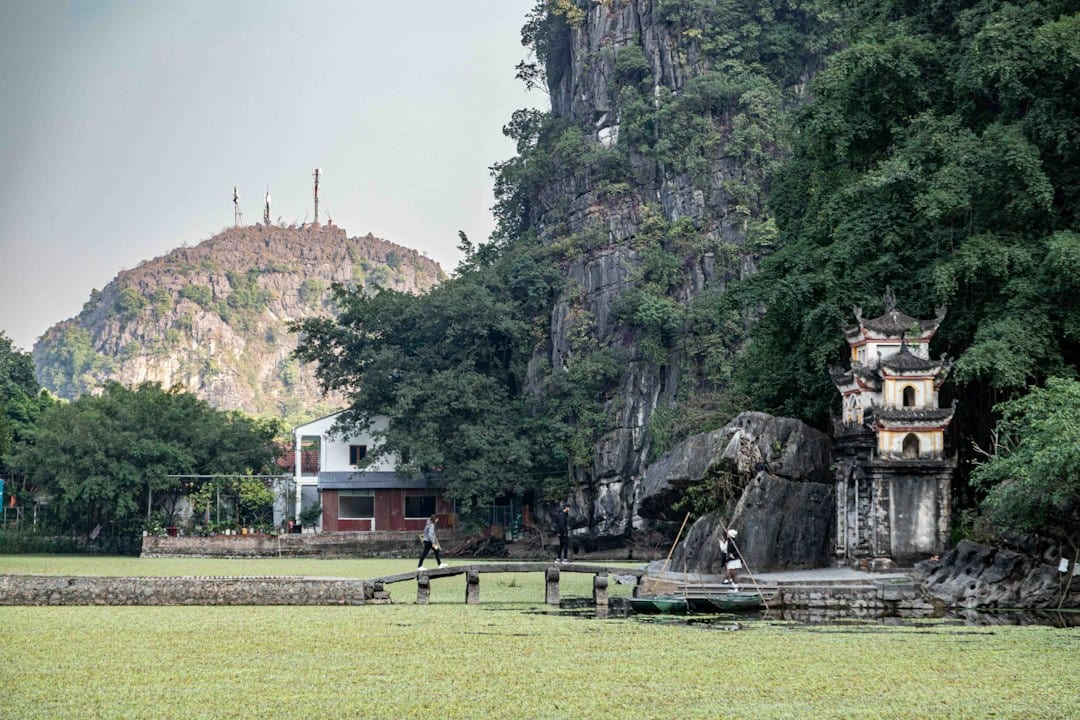
Marble Mountains offer cool cave interiors and sweeping views of the Danang coastline — a great stop on your arrival day.
General packing list:
- Light rain jacket or compact umbrella — Sudden 20-minute showers happen year-round, especially in the afternoons.
- Layer for Bana Hills — A light fleece or cardigan. At 1,400 meters above sea level, the summit can feel like Baguio in December.
- Comfortable walking shoes with grip — Marble Mountains and Bana Hills involve stone steps that get slick. Leave the fashion sandals at the hotel.
- Sun protection — SPF 50, a wide-brim hat, and sunglasses. The central coast sun is unforgiving from 10:00 AM to 2:00 PM.
- Modest clothing for pagodas — Shoulders and knees covered. A sarong works as a quick wrap.
- Reusable water bottle — Most hotels have refill stations. Hydration is not optional in this humidity.
Power plugs: Vietnam uses the same 220V Type A, C, and sometimes G sockets as the Philippines. Your phone charger will likely fit, but bring a universal adapter if you are charging multiple devices.
Best Time to Book This Itinerary
Timing matters for this specific route more than you might think. Bana Hills in particular can be a white-out fog experience or a crystal-clear panorama depending on the month.
Ideal window: February to May
This is the sweet spot. Rain is minimal, humidity is moderate, and the Golden Bridge has the highest chance of clear visibility. Hoi An's old town is pleasant for walking, and My Khe Beach is warm enough for a dip without the summer crush.
Avoid: September to early December
This is Central Vietnam's monsoon and typhoon season. Flooding in Hoi An's old town is common in October and November. Bana Hills cable cars can close temporarily due to high winds. If you must travel during these months, keep your itinerary flexible and travel insurance current.
Crowd management:
Chinese New Year (late January or February) and Vietnamese Reunification Day (late April) bring domestic tourism surges. If you are traveling during these periods, book at least 6 to 8 weeks ahead. For quieter streets, aim for late February to early March or mid-May.
Insider Tips from the Road
After routing hundreds of Filipino travelers through this corridor, here are the practical details that make a difference:
- Beat the Golden Bridge crowds — Arrive at Bana Hills right at the 7:30 AM opening. The first cable car up is your best shot at an unobstructed photo without 300 strangers in the frame.
- Download Grab before you fly — It works flawlessly in Danang and Hoi An. Fares are typically half what hotel taxis charge. Cash payment is the default.
- Hoi An tailoring takes time — A proper custom suit or dress needs at least 24 hours for fittings. If you want something made, go on Day 3 morning, not afternoon.
- Learn these phrases — Cam on (thank you) and Bao nhieu tien? (how much?) go a long way. Older vendors in Hoi An rarely speak English.
- Don't skip the free hotel breakfast — It is usually a generous buffet. Load up; it saves you a meal cost and fuels a long walking day.
"The biggest mistake I see first-timers make is treating Hoi An like a two-hour photo stop. Stay until the lanterns come on. The town transforms at 6:00 PM. That is the Hoi An you traveled for."
Quick Summary: Your 4D3N at a Glance
- ✓ Day 1: Arrive Danang, settle in, explore My Khe Beach or Marble Mountains.
- ✓ Day 2: Full-day Bana Hills with cable car, Golden Bridge, French Village, and buffet lunch.
- ✓ Day 3: Hoi An ancient town walking tour, free time for tailoring, evening lantern boat ride.
- ✓ Day 4: Leisurely morning, last-minute shopping, airport transfer.
- ✓ Budget: PHP 3,000–5,000 pocket money for meals, tips, and optional experiences.
Ready to Experience Central Vietnam?
This 4D3N route is designed to give you the highlights without the headache. Bana Hills for the wonder. Hoi An for the soul. Danang for the rhythm. All connected by short, scenic drives and curated logistics so you spend less time negotiating transport and more time absorbing the place.
View the Standard Package & Check Availability
Related Reading
- Vietnam E-Visa for Filipinos 2026: How to Apply Online and Validity Updates — While Philippine passport holders are visa-free for 21 days, this guide covers extended stays and the latest e-Visa rules.
- Hanoi to Sapa: A Practical Routing and Logistics Guide for Filipino Travelers — If you are considering a longer Vietnam trip, this northern add-on pairs well with your Central Vietnam base.
- Grab Bike and Beyond: Getting Around Vietnamese Cities Like a Local — Master the app, understand fare norms, and move through Danang and Hoi An with confidence.
Author's Note — Marco Dela Cruz, ASEAN Travel Consultant
I have lost count of how many times Filipino travelers have told me, "I wish I knew the daily flow before I booked." That is exactly why we build itineraries this way — transparent, realistic, and grounded in the actual experience of getting from the airport to the ancient town without the guesswork. If you have questions about tailoring this route to your travel dates or adding a side trip to Hue, our team at Mesho is happy to map it out. Safe travels.


