


You have ₱15,000 in your travel fund and a week to spare. The question is not whether you can reach Bangkok from Singapore—it is how far that money will stretch when you travel overland through Malaysia instead of flying direct. For Filipino passport holders, the Singapore–Malaysia–Thailand corridor is one of the most accessible multi-country routes in Southeast Asia. This guide maps a 7-day overland circuit designed for backpackers who want maximum experience with minimum spend.
Why Travel Overland from Singapore to Bangkok
Flying from Singapore to Bangkok takes roughly two hours and costs anywhere from ₱5,000 to ₱12,000 one-way depending on the season. The overland route takes longer, but it folds Malaysia's highlands, colonial streetscapes, and legendary hawker food into the same ticket price. You trade a few hours in the air for a multi-country narrative you will actually remember.
The route works especially well for Filipino travelers because all three countries offer visa-free entry for Philippine passport holders, typically for stays up to 30 days each. That removes one of the biggest friction points for multi-destination trips: embassy visits and visa fees.
The 7-Day Itinerary at a Glance
| Day | Route | Highlights |
|---|---|---|
| 1 | Arrive Singapore | Hostel check-in, hawker centers, Gardens by the Bay (free light show) |
| 2 | Singapore to Kuala Lumpur | Morning bus or train; evening arrival in Bukit Bintang |
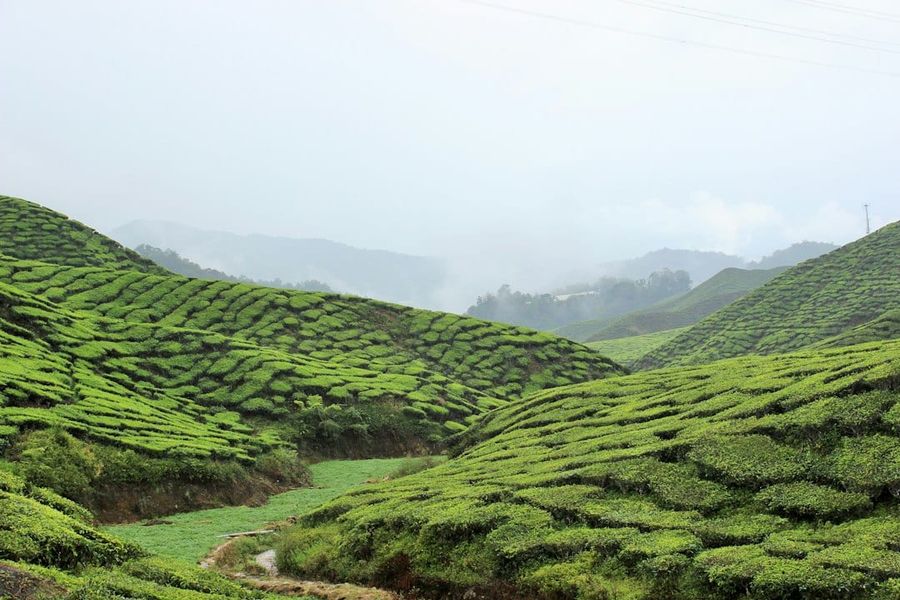
| 3 | Kuala Lumpur to Cameron Highlands | Bus to Tanah Rata; afternoon tea plantation walk |
| 4 | Cameron Highlands | Mossy Forest, strawberry farms, local market |
| 5 | Cameron Highlands to Penang | Bus to George Town; evening street food crawl |
| 6 | Penang to Bangkok (overnight) | Sleeper train or bus to Padang Besar, then onward to Bangkok |
| 7 | Arrive Bangkok | Morning arrival; hostel check-in; explore Khao San or Chinatown |
This itinerary keeps travel days to roughly four to six hours of transit, leaving enough daylight to settle in and explore on arrival.
How to Book Buses and Trains Online
Ground transport across this route is straightforward once you know which platforms to use. For Singapore to Kuala Lumpur, several bus operators run direct services from Golden Mile Tower or Woodlands to various drop-off points in KL. Singapore's Land Public Transport Agency (LTA) lists Cross-Border Bus Services and advises travelers to contact bus operators directly for schedules and stops.
For trains within Malaysia, the KTM ETS (Electric Train Service) connects Singapore to Kuala Lumpur and KL to Butterworth (the rail gateway to Penang). Tickets can be booked through the official KTM Intercity portal. Book at least a week ahead for weekend departures.
From Penang to Bangkok, the most common overland option is the Padang Besar–Bangkok sleeper train. You can reach Padang Besar from Butterworth by KTM Komuter or ETS, then connect to the overnight State Railway of Thailand service. Alternatively, several bus companies run direct overnight services from Penang to Bangkok, though these are less frequent and schedules shift seasonally.
Booking Tip
Always screenshot your confirmation and save the operator's contact number. Mobile data can be patchy at rural bus terminals, and having an offline record saves stress when boarding.
What to Budget Per Day
Exact costs fluctuate with exchange rates and seasonal demand, but the daily spend breakdown below reflects the spending pattern most budget backpackers follow on this route. Hostel dorm beds, hawker meals, and local buses keep the baseline low; the occasional splurge on a tour or nicer dinner pushes the ceiling higher.
| Category | Singapore | Malaysia (KL, Cameron Highlands, Penang) | Bangkok |
|---|---|---|---|
| Hostel dorm bed | ₱1,500–2,500 | ₱400–800 | ₱300–700 |
| Street food meal | ₱250–400 | ₱100–200 | ₱80–150 |
| Local transport (per day) | ₱200–400 | ₱100–250 | ₱80–150 |
| Activity / attraction | ₱0–500 | ₱200–500 | ₱0–300 |
| Daily total (tight budget) | ₱2,000–3,000 | ₱800–1,500 | ₱600–1,200 |
| Daily total (comfortable) | ₱3,500–4,500 | ₱1,500–2,500 | ₱1,200–2,000 |
Singapore is the obvious budget outlier. Limit yourself to two nights there, prioritize hawker centers over restaurants, and walk or use the MRT instead of taxis. Malaysia and Thailand reward the budget traveler: dorm beds under ₱800 and full meals under ₱200 are common outside Kuala Lumpur's city center.
Affordable Stays and Street Food Zones
Singapore: Look for hostels in Little India or Bugis for the best balance of price and connectivity. Hawker centers at Maxwell Food Centre, Lau Pa Sat, and Tekka Centre serve filling meals for under ₱400.
Kuala Lumpur: Hostels cluster around Chinatown (Petaling Street) and Bukit Bintang. The Jalan Alor night market is touristy but still affordable; locals often prefer Imbi Market for breakfast.
Cameron Highlands: Most backpackers base themselves in Tanah Rata, where guesthouses and hostels line the main road. The night market here sells cheap steamboat and strawberry snacks. Morning walks to the Boh Tea Estate are free if you skip the guided tour.
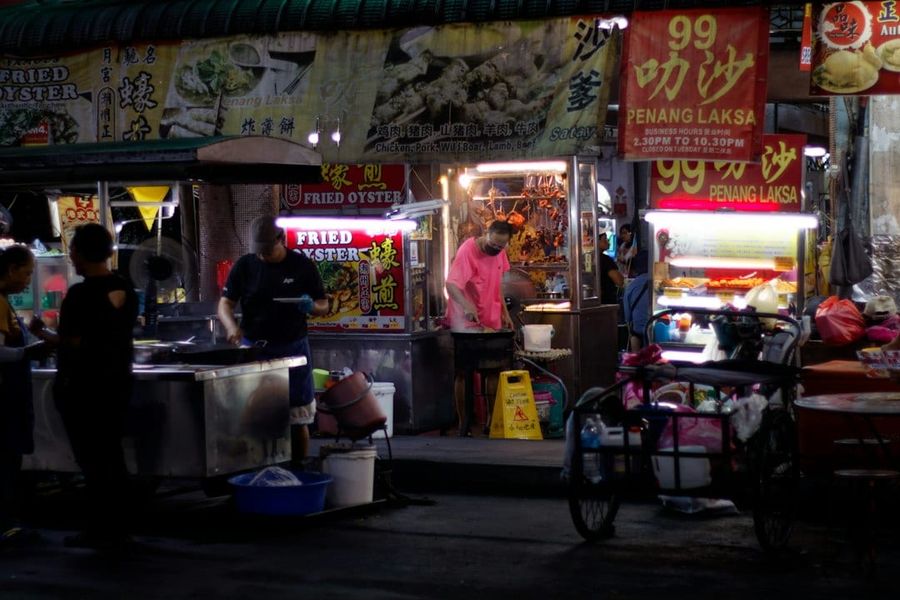
Penang: George Town is the place to stay. The hawker centers along Chulia Street, New Lane, and Gurney Drive are essential eating stops. A plate of char kway teow or assam laksa rarely exceeds ₱150.
Bangkok: Khao San Road remains the backpacker default, though Chinatown (Yaowarat) and Ari offer cheaper beds and better food. Street stalls along Sukhumvit Soi 38 and Or Tor Kor Market deliver meals under ₱120.
Border Crossings for Filipino Passport Holders
Philippine passport holders receive visa-free entry into Singapore, Malaysia, and Thailand for short stays—typically up to 30 days each. Always confirm current requirements with the respective embassy or immigration website before departure, as policies can shift without advance notice.
The key land border on this route is Padang Besar, which sits on the Malaysia–Thailand frontier. If you are traveling by train from Butterworth to Bangkok, you will pass through Malaysian immigration at Padang Besar before boarding the Thai sleeper service. Have your passport, return or onward ticket, and proof of funds ready. Immigration officers may ask where you are staying; a hostel booking confirmation on your phone is usually sufficient.
If crossing by bus, some services handle the border stop directly; others drop you at the terminal and require you to walk through immigration and reboard on the other side. Build an extra hour into your schedule for this process, especially during peak travel periods.
Border Crossing Reminder
Keep your departure card stubs. Losing the Malaysian or Thai embarkation card can cause delays when you exit the country. Store them with your passport in a waterproof pouch.
Safety Tips for Solo Travelers
Solo travel along this route is common and generally manageable with standard precautions. Here is what experienced overland travelers consistently do:
- Split your cash. Carry only what you need for the day. Store the rest in a money belt or hidden pouch, and keep a backup card in a separate bag.
- Use registered transport. At bus terminals, book through official counters or established apps. Avoid touts who approach you inside or outside the station.
- Share your itinerary. Send someone at home a rough daily plan and check in when you have Wi-Fi. Most hostels and cafes offer free connections.
- Watch your belongings on overnight buses and trains. Keep valuables in a small bag tucked against your body, not in the overhead rack.
- Stay aware in crowds. Petty theft is more common in Bangkok's Khao San area and Singapore's Orchard Road than in Cameron Highlands or Penang. A cross-body bag worn in front is a simple deterrent.
If you feel unwell, each country has reliable pharmacy chains—Guardian and Watsons are widely available across Singapore and Malaysia. In Thailand, Boots and local pharmacies in Bangkok stock most over-the-counter needs.
When to Go and How Long to Stay
The drier months from November to February offer the most comfortable overland travel across this route. Cameron Highlands stays cool year-round—often 15°C to 25°C—but afternoon downpours are heavier during the October–November monsoon window.
Minimum viable trip: 7 days as outlined above.
Recommended stretch: 10 days, adding an extra night in Penang for the street art trail and a full day in Bangkok before any onward travel.
If you are flying out of Bangkok, book your return flight at least one full day after your scheduled arrival. Overland delays at borders or due to weather are not common, but they are not impossible either.
Extend your journey
Want more than a quick Bangkok stop? Browse curated Thailand tour add-ons—from Chiang Mai hill tribe treks to island-hopping in the south—to bolt onto your overland route.
Explore Thailand add-onsQuick Summary
- Route: Singapore → Kuala Lumpur → Cameron Highlands → Penang → Bangkok over 7 days
- Best season: November–February for dry weather across all stops
- Visa: Filipino passport holders generally receive 30-day visa-free entry into Singapore, Malaysia, and Thailand
- Budget anchor: Spend minimally in Singapore; Malaysia and Thailand stretch your peso significantly further
- Key border: Padang Besar (Malaysia–Thailand); allow extra time for immigration
- Book ahead: KTM ETS trains and popular hostel dorms, especially on weekends
Marco Dela Cruz is an ASEAN travel consultant focused on land, sea, and air routing for Filipino travelers departing to Southeast Asia. He has spent years mapping cross-border connections from Manila, Hong Kong, and Singapore—helping travelers trade airport queues for real ground-level experience.


