


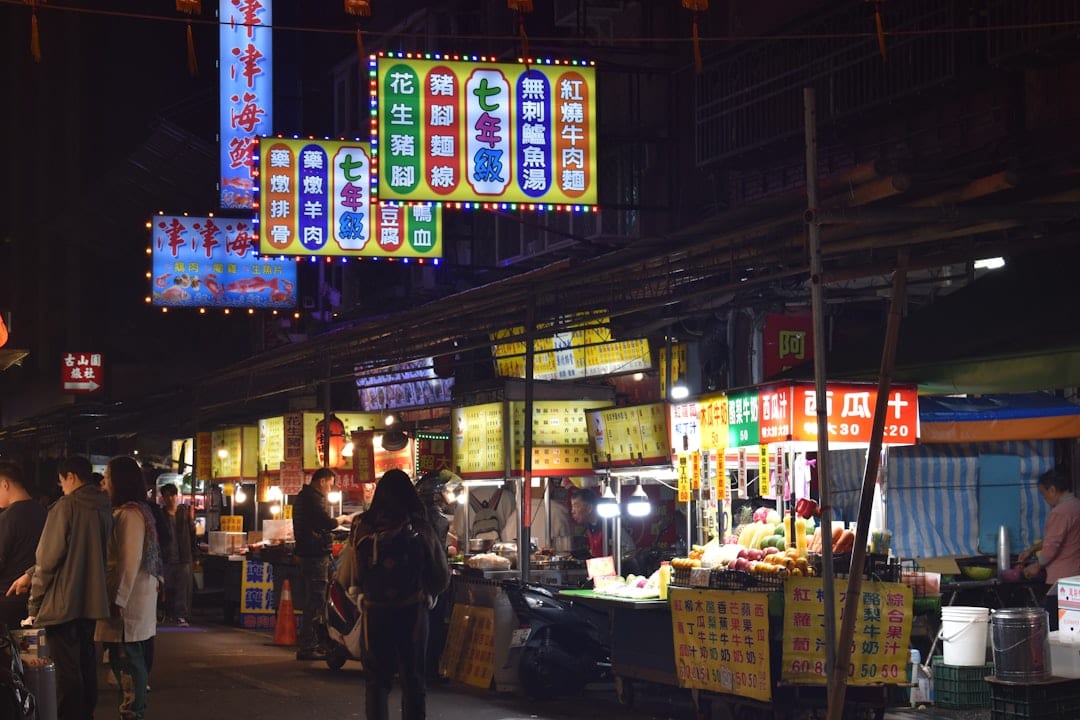
The first time you step into a Taipei night market, your senses go into overdrive. A wall of steam hits your face from a row of sizzling woks. Neon signs in bold crimson and jade flicker overhead. Vendors call out lai chi lai chi—"come eat, come eat"—while the smell of deep-fried garlic and fermented tofu drifts through the crowd. For Filipino travelers, this scene feels both exhilarating and slightly intimidating. The good news? You do not need to speak Mandarin fluently or possess an iron stomach to eat like a local. You simply need to know which markets match your mood, which dishes deserve your first bite, and how to move through the stalls with the quiet confidence of a regular.
This guide breaks down everything you need to navigate Taiwan's night market culture: the distinct personalities of Taipei's big three markets, dishes that map surprisingly well onto the Filipino palate, payment habits that differ from home, unspoken rules about queues and trash, and health tips to keep you exploring from dusk until midnight.
Three Taipei Night Markets, Three Distinct Personalities
Not all night markets are built the same. Choosing the right one sets the tone for your evening, so match your energy level to the venue.
Shilin Night Market
Shilin is the heavyweight. It is the largest and most famous night market in Taipei, drawing both locals and tourists into a sprawling maze of food stalls, game booths, and souvenir shops near Jiantan MRT Station. Think of it as Taiwan's answer to Manila's Divisoria—vast, energetic, slightly chaotic, and impossible to finish in one visit.
The market splits into two zones: the covered B1 food court (more organized, slightly pricier, with seating) and the outdoor Anping Street area (where the real action lives). Come here for the classics—oyster omelets, pepper buns, and fried chicken cutlets the size of a dinner plate. If you are a first-timer who wants the full spectacle, Shilin delivers. Just brace yourself for shoulder-to-shoulder crowds after 7:00 PM.
Raohe Street Night Market
Raohe stretches along a single straight street near Songshan Station, making it far easier to navigate than Shilin's labyrinth. The entrance is impossible to miss: an ornate illuminated gate marks the start of a one-kilometer corridor of food and small goods.
Raohe feels more local. You will see fewer tour groups and more Taipei residents queuing for specific stalls they have frequented for years. The must-order item here is the pepper bun (hu jiao bing) from the stall right near the entrance—baked inside a clay oven until the pork filling is juicy and the sesame crust is blistered and smoky. If Shilin is a festival, Raohe is a neighborhood block party with better food.
Ningxia Night Market
Ningxia is compact, walkable, and unapologetically food-focused. Located near Shuanglian Station, this market concentrates almost entirely on eating rather than shopping or games. It is where Taipei residents go when they want a quick, high-quality street food fix without committing to an entire evening.
Ningxia shines for portion control. Because the market is smaller, you can sample five or six different stalls without overeating or walking five kilometers. Look for the braised pork rice (lu rou fan), grilled squid, and tarro ball desserts. For Filipino travelers who want a relaxed introduction to night market culture before tackling the giants, Ningxia is the perfect training ground.
Must-Try Dishes and What They Taste Like to a Filipino Palate
Taiwanese night market food is not shy. Flavors are loud, textures range from silken to aggressively crispy, and aromas announce themselves from twenty meters away. Here is how three iconic dishes translate for a Filipino tongue.
Stinky Tofu (Chou Doufu)
Yes, it smells exactly like the name promises. The fermented aroma can stop first-timers in their tracks. But here is the secret: the taste does not match the smell. Deep-fried stinky tofu has a shatteringly crisp skin and a soft, almost custardy center. It is served with pickled cabbage and a drizzle of garlic soy sauce.
Filipino parallel: imagine the pungent intensity of bagoong met with the textural satisfaction of tahu from a Filipino-Chinese taho vendor, only fried to a golden crunch. If you enjoy bagoong with green mango, your palate is already primed for stinky tofu. Order the fried version first; the steamed version is more intense and better saved for round two.
Crispy fried stinky tofu at a Taipei night market stall
Bubble Tea (Zhen Zhu Nai Cha)
Taiwan invented bubble tea, and drinking it at the source is a completely different experience from the mall versions back home. Night market bubble tea stalls brew fresh batches of black or green tea, swirl in milk or fruit syrup, and drop in pearls that are still warm from the pot. The pearls have a proper chew—not mushy, not rock-hard. For Filipino palates accustomed to sago't gulaman, the texture is familiar, but the tea base is deeper and less cloyingly sweet. Order 30% or 50% sugar; full sweetness can overwhelm the tea's natural roastiness.
Beef Noodle Soup (Hong Shao Niu Rou Mian)
This is Taiwan's unofficial national dish, and night market versions are surprisingly refined. The broth is a dark, aromatic pool of soy, star anise, and slow-simmered beef bones. The meat—often shank with tendon attached—falls apart with chopstick pressure. For Filipinos, the comfort-level rivals a bowl of bulalo on a rainy Tagaytay afternoon, except the flavor profile leans savory-sweet rather than sour. Add a spoonful of chili oil and pickled mustard greens from the condiment tray to balance the richness.
How to Pay Like a Local
Payment culture in Taiwanese night markets differs from the Philippines in a few important ways. Get these habits right, and vendors will treat you like a regular.
Cash Is Still King, But EasyCard Helps
Most night market stalls operate on a cash-only basis. Bills are accepted, but vendors strongly prefer exact change or close to it. Carry a wad of small bills—NT$50 and NT$100 notes—because flashing a NT$1,000 bill for a NT$60 snack creates an awkward pause while the vendor scrambles for change.
If you plan to eat your way through multiple stalls, load an EasyCard (the purple transit card available at any MRT station). An increasing number of popular stalls now accept EasyCard taps, which speeds up transactions and removes the mental math of counting unfamiliar coins. Just tap and go—no PIN, no signature, no receipt.
Tipping Is Not Expected
Here is a relief for Filipino travelers accustomed to tipping culture: tipping is not practiced at Taiwanese night market stalls. The price on the sign is the price you pay. Hand over the exact amount, receive your food, and move on. Attempting to leave extra change on the counter can actually confuse the vendor, who may chase after you thinking you forgot your money.
Navigating the Crowds with Courtesy
Night markets are communal spaces, and Taiwan has an unspoken social contract that keeps them functioning smoothly. Follow these three rules, and you will blend in effortlessly.
Queue Discipline
Taiwanese queues are serious business. If you see a line forming at a stall, join the end without hesitation. Long queues usually signal quality, not just hype. Do not hover near the front trying to read the menu while others wait; step aside, decide, then join the line. When it is your turn, order promptly. Vendors move fast, and indecision slows down the entire operation.
Trash Disposal
Night markets are remarkably clean despite the volume of food consumed, and that is because everyone takes responsibility for their own trash. Stalls rarely provide bins. Instead, look for public recycling stations marked for general waste, recyclables, and food scraps. Some night markets have volunteer staff in vests who will collect your empty cup or skewer if you hand it to them directly. Never litter, and never leave your empty bowl on a random ledge.
Photography Courtesy
The food looks incredible, and you will want to photograph it. That is perfectly fine, but ask before photographing a vendor's face or hands at work. A quick smile and a gesture toward your phone is usually met with a nod. Avoid using flash—it disrupts the stall's lighting and annoys other customers. And never block the queue or walkway for a photo; step to the side, shoot quickly, and keep moving.
Eating Smart and Staying Comfortable
Night market eating is a marathon, not a sprint. Pace yourself, trust your instincts, and prioritize these three health considerations.
Choose Stalls with High Turnover
The best safety indicator is a queue. If locals are waiting ten minutes for a pepper bun or oyster omelet, the ingredients are fresh and the cooking oil is changed regularly. Conversely, a stall with no customers and pre-cooked food sitting under fluorescent lights is one to skip. Look for open flames, visible raw ingredients, and cooks who are actively preparing orders rather than simply reheating.
Handling Spicy Food
Taiwanese chili is sneaky. It often arrives as a self-serve condiment or a hidden layer inside dumplings and soups. If you have a moderate spice tolerance, start with a small taste before dousing your food. Milk-based drinks calm chili heat better than water, which is why bubble tea doubles as a fire extinguisher. Night markets also sell fresh sugarcane juice and winter melon tea, both excellent palate coolers.
Hydration Matters
Taipei's night markets are hot, crowded, and humid—even after sunset. The combination of fried food, salty broths, and walking for hours will dehydrate you faster than you expect. Alternate between savory dishes and hydrating drinks. Bottled water is available at every convenience store near market entrances, usually priced around NT$20 (roughly ₱35). Do not rely solely on bubble tea; the caffeine and sugar can actually increase thirst over a long evening.
Planning your trip? Mesho Travel and Tours curates Taiwan experiences that include guided night market walks, local food translations, and seamless transport from your hotel. Explore our Taiwan travel packages and let us handle the logistics while you focus on the flavors.
Quick Summary: Night Market Essentials
- Shilin for spectacle and variety, Raohe for local atmosphere, Ningxia for a compact food-focused intro.
- Carry small bills and an EasyCard; tipping is not expected at stalls.
- Queue patiently, dispose of trash at designated stations, and ask before photographing vendors.
- Pick busy stalls with visible cooking, pace your spice intake, and hydrate between dishes.
- Filipino passport holders enjoy visa-free entry to Taiwan for up to 14 days—just ensure your passport is valid for six months beyond travel.
Related Reading
If this guide has you craving more Taiwan content, dive deeper with these articles:
- Taiwan 5-Day Itinerary for First-Time Filipino Travelers: Taipei to Jiufen
- Taiwan Visa-Free Entry for Filipinos: What You Need to Know Before You Fly
- Taipei Tales: A 4-Day Cultural and Culinary Journey for Filipino Travelers
Author's Note
I have walked these markets in every season, from humid July evenings when the air feels like a soup bowl to crisp December nights when steam rises from broth pots like incense. The etiquette may feel foreign at first, but Taiwanese night market culture is remarkably welcoming once you learn the rhythm. Show respect for the queue, carry exact change, and do not let the smell of stinky tofu intimidate you. Some of the best flavors in Northeast Asia are waiting behind that first deep breath.
— Grace Villareal, Northeast Asia Travel Editor
Ready to taste Taiwan for yourself?


