


You do not need a passport to walk cobblestone streets older than the Republic, stand beneath coffins suspended on limestone cliffs, or watch sunrise turn a 2,000-year-old rice terrace system gold. For Filipino travelers in Meycauayan and across Luzon, the northern heritage trail from Vigan to Sagada to Banaue is a curated journey through three distinct worlds: Spanish colonial Ilocos, indigenous Igorot highlands, and Ifugao engineering genius.
This itinerary is designed for domestic travelers who want culture, scenery, and logistics in one seamless loop. Below is the recommended route sequence, a day-by-day breakdown, and the practical details—transport, budget, packing, and respectful travel behavior—you need before leaving Manila.
Why This Route Sequence Works: Vigan → Sagada → Banaue
The order matters because of elevation and road fatigue. Start low, climb gradually, and save the most winding transitions for the middle of the trip when energy is highest.
- Vigan first. At near sea level, Vigan is the gentlest start. You recover from the Manila drive, stretch your legs on flat cobblestones, and ease into vacation mode before any mountain climbing.
- Sagada second. The ascent from Ilocos into the Mountain Province is the longest mountain transition of the loop. Tackling it on day 3 or 4—when you are rested—keeps motion sickness and fatigue manageable.
- Banaue last. Sagada sits higher than Banaue, so the leg to Ifugao is mostly a gradual descent. From Banaue you descend back to Manila through Nueva Vizcaya, ending the trip on easier downhill highways.
Pro tip: Avoid doing Sagada first from Manila. The direct Manila–Sagada overnight bus is exhausting, and arriving at 1,500 meters after a cramped ride can leave you nauseous before the trip truly begins.
Vigan: A Day in a UNESCO World Heritage City
Vigan is the best-preserved Spanish colonial town in Asia. Its grid of calle streets, bahay na bato houses, and calesa carriages makes the colonial era feel immediate rather than textbook.
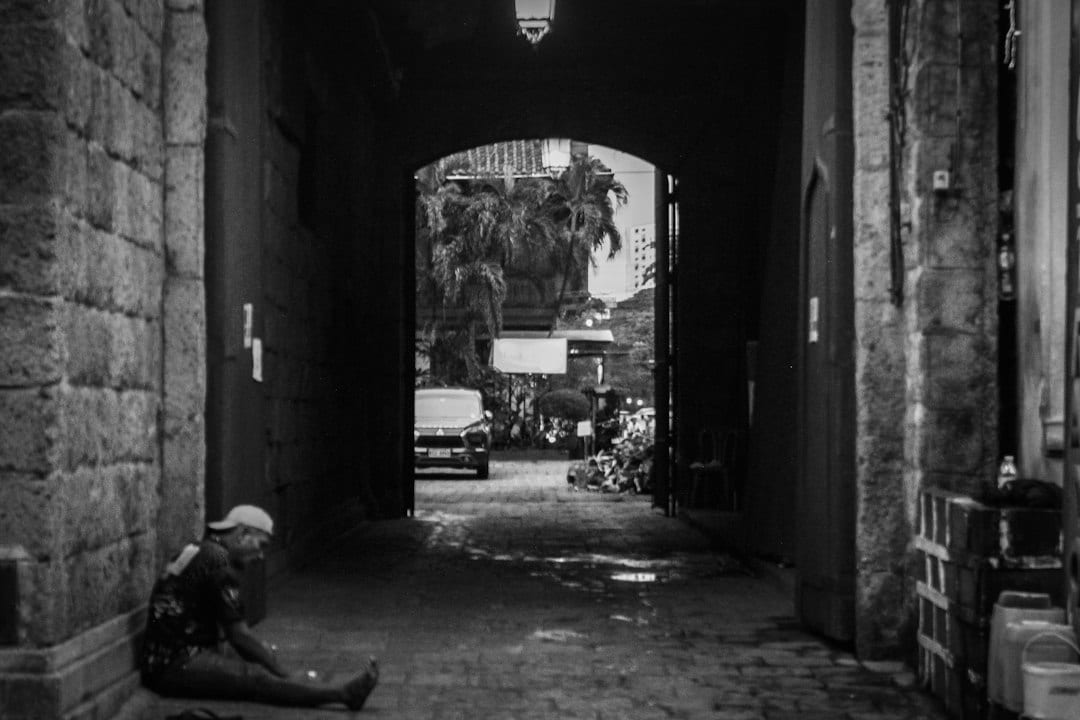
One-Day Vigan Walking Plan
| Time | Stop | What to Do |
|---|---|---|
| 07:30 | Plaza Salcedo | Watch the morning light hit St. Paul's Metropolitan Cathedral before the crowds arrive. |
| 08:30 | Calle Crisologo | Walk the full length for photos, then stop at a café for Vigan empanada and sinanglao. |
| 10:30 | Syquia Mansion | Tour the former residence of President Elpidio Quirino; one of the finest preserved bahay na bato interiors in the city. |
| 12:30 | Local Lunch | Order bagnet, Vigan longganisa, and dinengdeng at a heritage restaurant along Calle Crisologo. |
| 14:00 | Crisologo Museum | A no-frills look at Ilocano political history and mid-century provincial life. |
| 16:30 | Calesa Ride | Negotiate a 30-minute calesa circuit around the heritage district before sunset. |
Where to stay: Choose a heritage hotel inside the UNESCO buffer zone so you can walk to Calle Crisologo after dinner. Budget inns are available outside the core for less, but you trade atmosphere for savings.
Sagada: Hanging Coffins, Echo Valley, and Sacred Etiquette
Sagada is not a theme park. The hanging coffins of Echo Valley are a living tradition of the Kankanaey and broader Igorot communities, and the town itself asks visitors to move quietly and respectfully.

Highlights and How to Experience Them
- Echo Valley and Hanging Coffins. A 20-minute walk from town. Hire a local guide at the tourism office—guides are required for most trails and explain the burial rites without reducing them to spectacle.
- Sumaguing Cave. A spelunking option for active travelers. Expect cold water, slippery rocks, and a two- to three-hour tour. Bring aqua shoes or sandals with straps.
- Kiltepan Viewpoint. Famous for sunrise sea-of-clouds views. Arrive early, bring a jacket, and keep voices low—this is a working agricultural ridge, not a concert venue.
- Sagada Weaving and Pottery. Stop by local workshops to see backstrap weaving and stoneware pottery. Purchases directly support home-based artisans.
Respectful Visitor Behavior
- Do not touch, climb, or pose on the coffins or burial sites.
- Keep photography discreet; never photograph ceremonies or rituals unless invited.
- Dress modestly in town—shoulders and knees covered when visiting churches and sacred sites.
- Follow the local tourism office rules; some trails close during community events or bad weather.
"The best Sagada visits are the quiet ones. Listen more than you photograph, and the place teaches you why the mountains matter to the people who live here."
Banaue: Rice Terraces and Community-Based Tourism
The Banaue Rice Terraces are often called the "Eighth Wonder of the World," but the real wonder is the Ifugao community that still plants, maintains, and governs them. Tourism here works best when travelers support that community directly.
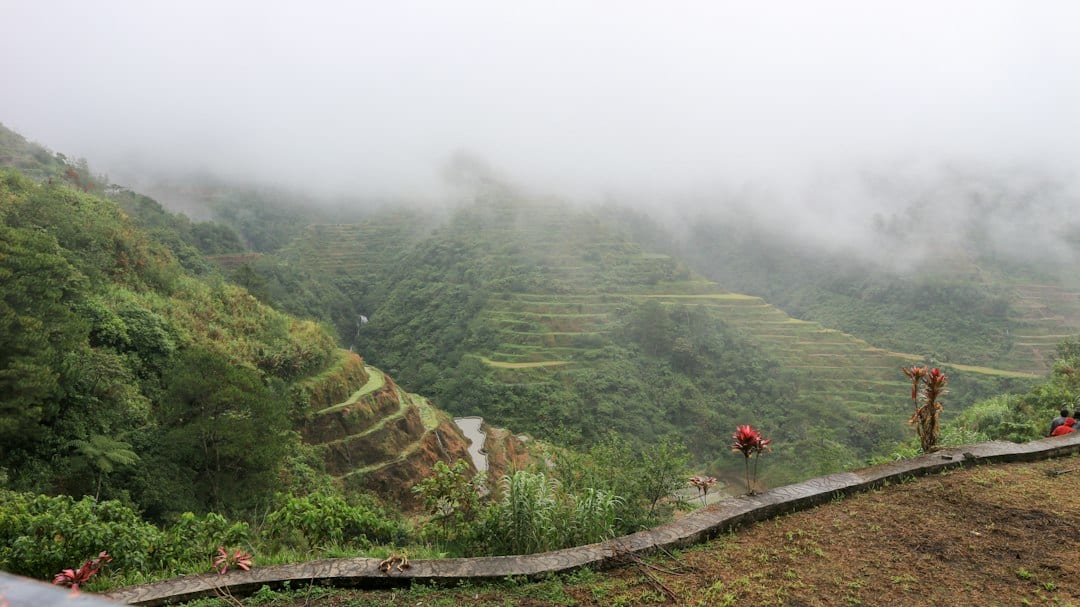
Viewpoints and Village Visits
- Banaue Viewpoint. The classic panoramic viewpoint near town. Go early for clear light and fewer visitors.
- Batad Village. A UNESCO-listed amphitheater terrace village. The one-hour trek down from the saddle is steep but the closest you can get to living terrace culture.
- Tappiya Falls. A 30-minute hike below Batad. The trail is slippery after rain, so good shoes and a guide are essential.
- Hapao and Hungduan. Less crowded terrace clusters for travelers with extra time who want to avoid the main viewpoint crowds.
Community-Based Tourism Considerations
Community-based tourism means your guide, driver, cook, and accommodation host are likely from the barangay you are visiting. This keeps income local and gives you context no guidebook can match.
- Book homestays in Batad or Banaue town instead of chain hotels when possible.
- Hire accredited local guides through the tourism office; they set safe trail conditions and fair rates.
- Buy rice wine, woven textiles, and woodcarvings directly from artisans rather than airport souvenir shops.
- Stay on marked paths; walking on terrace walls damages irrigation systems that feed families.
Planning your trip? Explore Mesho's Philippines domestic tour packages and let us handle the route, guides, and mountain transfers.
Practical Logistics: Manila to the North and Back
Transport Options
| Segment | Bus / Van | Estimated Time | Notes |
|---|---|---|---|
| Manila → Vigan | Overnight bus or private van | 8–10 hours | Buses leave Cubao and Pasay in the evening. |
| Vigan → Sagada | Daytime van or bus | 5–6 hours | The windiest segment; take motion-sickness meds if needed. |
| Sagada → Banaue | Tourist van or jeepney | 3–4 hours | Morning departures are most reliable. |
| Banaue → Manila | Overnight bus or private van | 9–10 hours | Mostly downhill; night buses save a hotel night. |
Private van option: A van charter gives you control over departure times and photo stops. It is the most comfortable choice for families or groups of four or more. Rates depend on vehicle size, fuel prices, and whether the driver stays overnight in Sagada and Banaue.
Accommodation Types
- Vigan: Heritage hotels and converted bahay na bato inns inside the UNESCO zone. Book early on weekends and holidays.
- Sagada: Tourist lodges, guesthouses, and a few homestays. Hot showers are not universal, so confirm amenities.
- Banaue: Ridge-view inns, hostels, and Batad homestays. Homestays are basic but place you inside the terraces at dawn.
Packing for Mountain Weather
Layers are essential. Mornings in Sagada and Banaue can drop to 12–15°C, while midday sun is strong. Pack a fleece or light down jacket, a rain shell, and quick-dry shirts.
Footwear matters. Cobblestones in Vigan are uneven; Sagada trails and Batad paths are muddy and steep. Bring trail shoes or hiking sandals with grip.
Cash and power. ATMs are limited in Sagada and unreliable in Batad. Bring enough pesos for meals, guides, and souvenirs, plus a power bank for long travel days.
Estimated PHP Budget (Per Person, 6–7 Days)
Estimates are per person based on mid-range travel for one person sharing a twin room. Prices fluctuate with season, group size, and fuel costs.
| Expense | Budget Range | Notes |
|---|---|---|
| Transport (bus/van loop) | ₱3,500 – ₱7,000 | Lower end for buses; higher end for van share. |
| Accommodation (6 nights) | ₱4,500 – ₱12,000 | Homestays and lodges at lower end; heritage hotels at higher end. |
| Meals | ₱3,000 – ₱5,000 | Local eateries and carinderia keep costs down. |
| Guides and site fees | ₱1,500 – ₱3,000 | Echo Valley, Sumaguing, Batad guides, and environmental fees. |
| Miscellaneous | ₱1,500 – ₱3,000 | Calesa rides, souvenirs, contingency. |
| Total Estimated | ₱14,000 – ₱30,000 | Excludes flights; this is a land-based loop from Manila. |
Quick Summary: Your Heritage Trail Checklist
- Route: Manila → Vigan → Sagada → Banaue → Manila. Start low, climb gradually, and descend home.
- Vigan focus: Calle Crisologo, St. Paul's Cathedral, Syquia Mansion, empanada, longganisa, and bagnet.
- Sagada focus: Hanging Coffins, Echo Valley, Kiltepan sunrise; hire accredited guides and keep voices low.
- Banaue focus: Main viewpoint, Batad village, Tappiya Falls; stay in homestays and buy from local artisans.
- Logistics: Pack layers, bring cash, book heritage hotels in Vigan early, and decide between bus economy and private-van comfort.
Related Reading
- Philippines Island Hopping Itinerary: Palawan, Cebu & Bohol in 10 Days
- Booking Domestic Flights and Ferries in the Philippines
- Boracay Station by Station: A Filipino Traveler's Guide
Ready to walk the northern heritage trail?
Let Mesho Travel And Tours curate your Vigan, Sagada, and Banaue itinerary—complete with private van transfers, accredited local guides, and handpicked heritage stays.
View Philippines Domestic Tour PackagesAuthor's note: Marco Dela Cruz is an ASEAN travel consultant focused on land, sea, and air routing for Filipino travelers. Based in Metro Manila, he has spent years refining multi-stop domestic itineraries that balance culture, comfort, and realistic road times.


