


Too Many Lagoons, Too Little Time
You have finally booked that flight to Palawan, but now you are staring at four different island hopping tour options in El Nido and have no idea which one to pick. Tour A promises the famous lagoons, Tour B has that iconic sandbar, Tour C is labeled the "secret beach" experience, and Tour D looks quieter but less familiar.
This guide cuts through the decision fatigue. We will break down exactly what each tour includes, how much you need in Philippine pesos, what permits to secure, and the safety checks you should make before stepping onto any outrigger boat. Whether you are flying direct to El Nido or coming up from Puerto Princesa, this is the practical roadmap you need.
The Four Standard El Nido Island Hopping Tours Compared
El Nido's tourism office regulates four standard tour routes, labeled A through D. Each covers a different cluster of islands in the Bacuit Archipelago. Group tours typically run from 9:00 AM to 4:00 PM and include a packed lunch. Private charters offer flexibility on timing and stops.
Tour A — The Lagoon Classic
This is the most popular route for first-timers, and for good reason. It concentrates on the dramatic inner waterways that made El Nido famous.
- Small Lagoon (Miniloc Island): Enter via a narrow opening in the limestone wall. Kayaking inside is almost mandatory because the passage is too tight for boats.
- Big Lagoon (Miniloc Island): A wide, cathedral-like waterway with towering walls on both sides. Boat entry is allowed, but renting a kayak (₱300–₱500) lets you explore the deeper reaches.
- Shimizu Island: A snorkeling stop with healthy coral and schools of fish. Named after a Japanese diver who explored the area.
- 7 Commando Beach: A sandy stretch with coconut trees and a small shack selling fresh buko juice. Good for swimming and photos.
Tour B — Caves and the Snake Island Sandbar
Tour B trades lagoons for geological formations and one of Palawan's most photographed sandbars.
- Snake Island (Vigan Island): A winding sandbar that connects small islets during low tide. The view from the lookout platform is worth the short hike.
- Pinagbuyutan Island: A quiet beach with dramatic limestone backdrops. Fewer boats stop here compared to Tour A beaches.
- Entalula Island: Powdery white sand and clear water ideal for snorkeling. A solid mid-day relaxation spot.
- Cudugnon Cave: A small sea cave with a narrow entrance you crawl through. Not claustrophobic, but skip it if you have knee or back issues.
Tour C — Hidden Beaches and the Matinloc Shrine
Often marketed as the "premium" option, Tour C covers the outer islands and requires slightly rougher open water.
- Hidden Beach (Matinloc Island): A pocket of sand concealed behind a rock wall. You swim through a narrow gap to enter.
- Secret Beach (Matinloc Island): Made famous by Alex Garland's novel The Beach. Accessible only through a small underwater opening; swimming skills are essential.
- Matinloc Shrine: An abandoned shrine and viewpoint on Matinloc Island. The climb is short but hot; wear proper footwear.
- Helicopter Island: Named for its helicopter-shaped silhouette. Good snorkeling and a long beach for lounging.
Tour D — Cadlao Lagoon and the Quiet North
Tour D is the least crowded option, ideal if you want to avoid the Instagram queues at the Big Lagoon.
- Cadlao Lagoon: A smaller, shallower lagoon than Big Lagoon, but just as photogenic. Kayaking here feels more intimate.
- Pasandigan Beach: A secluded cove on Cadlao Island with calm water and minimal boat traffic.
- Nat-Nat Beach: Another quiet Cadlao stop with decent snorkeling and shade from trees.
- Bukal Island: A tiny islet with a sandbar that appears at low tide. Great for drone photography.
| Tour | Best For | Crowd Level | Group Rate (PHP) |
|---|---|---|---|
| Tour A | First-timers, kayakers | High | ₱1,400 – ₱1,800 |
| Tour B | Hikers, sandbar lovers | Moderate | ₱1,400 – ₱1,800 |
| Tour C | Adventurers, strong swimmers | Moderate to High | ₱1,600 – ₱2,000 |
| Tour D | Avoiding crowds | Low | ₱1,400 – ₱1,800 |
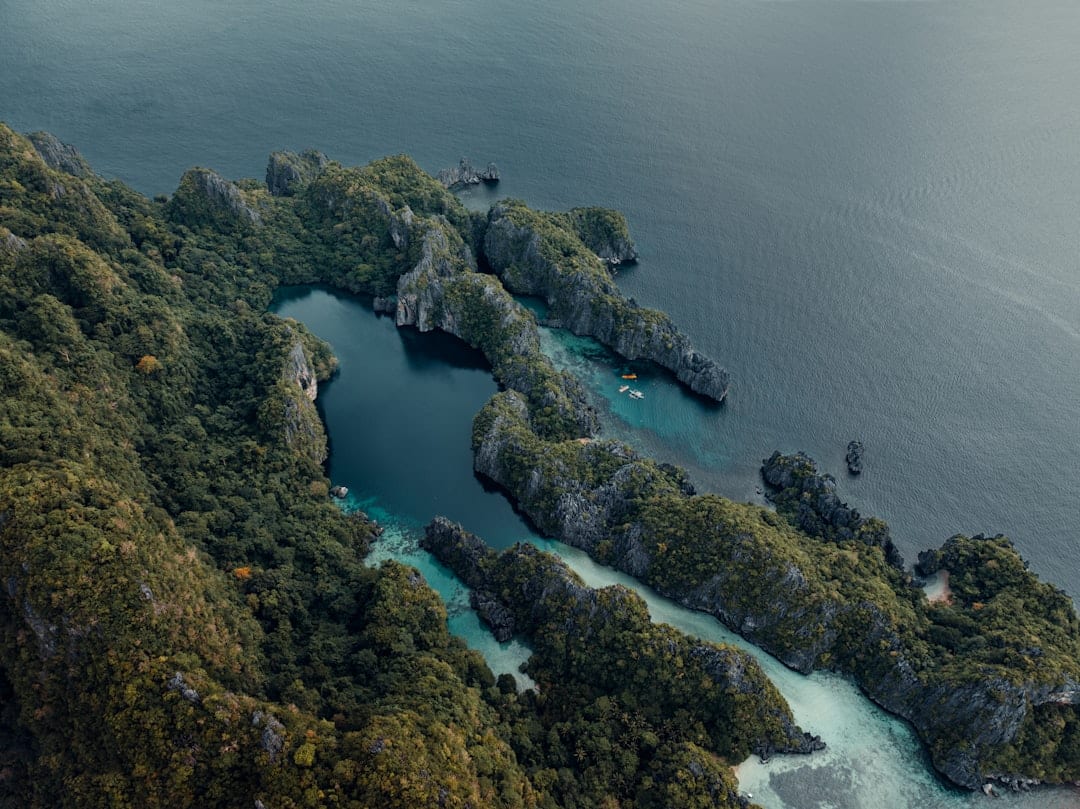
Big Lagoon on Miniloc Island is the headline stop on Tour A, best explored by kayak for the full experience.
What to Pack, Wear, and Budget for a Day on the Water
A day on an outrigger boat sounds idyllic until you realize you are exposed to sun, salt, and sudden rain for seven hours straight. Pack with function in mind.
Essential Packing List
- Reef-safe sunscreen: Regular sunscreen damages coral. Bring a mineral-based formula (zinc or titanium dioxide).
- Dry bag: A 10-20 liter roll-top dry bag protects your phone, wallet, and camera from splashes during transfers between boat and beach.
- Water bottle: Most tours provide drinking water, but having your own reusable bottle reduces plastic waste.
- Snorkeling mask (optional): Rental masks are available, but bringing your own guarantees a proper fit and hygiene.
- Quick-dry towel and change of clothes: You will want dry clothes for the van or trike ride back to your hotel.
- Cash in small bills: Tips for boat crew (₱100–₱200 per person), fresh coconut drinks, and kayak rentals are cash-only.
What to Wear
- Rash guard and board shorts: Better sun protection than a bikini or trunks, and you avoid rubbing against the boat's rough surfaces.
- Aqua shoes or strap-on sandals: Many beaches have sharp coral fragments near the shore. Flip-flops float away.
- Polarized sunglasses with a strap: The glare off the water is intense. A strap keeps them from sinking.
- Wide-brim hat or cap: The boat's tarpaulin shade helps, but reflected UV still hits your face.
Sample Budget Breakdown (Per Person, PHP)
| Item | Cost (PHP) |
|---|---|
| Group island hopping tour | ₱1,400 – ₱2,000 |
| Eco-Tourism Development Fee | ₱200 |
| Kayak rental (optional) | ₱300 – ₱500 |
| Tip for boat crew | ₱100 – ₱200 |
| Total estimated daily spend | ₱2,000 – ₱2,900 |
Environmental Fees and Permits You Cannot Skip
The Municipal Tourism Office of El Nido enforces a strict fee system designed to limit visitor numbers and fund conservation. Do not assume your tour operator has handled everything.
- Eco-Tourism Development Fee (ETDF): ₱200 per person. Valid for ten days. You pay this once at the tourism office or a designated booth before your first tour. Keep the receipt; operators check it before boarding.
- Tourism Fee Inclusion: Some tour packages quote an "all-in" price that already includes the ETDF. Others list it separately. Always confirm when comparing prices.
- Individual Tourist Boat Manifest: Licensed operators must register every passenger with the coast guard and tourism office before departure. If your operator skips this, that is a red flag.
Safety on the Water — What to Check Before You Board
El Nido's beauty can distract from basic safety protocols. Every year, travelers board overloaded or under-equipped boats because they are eager to get on the water. Do not let that be you.
Boat Quality and Operator Legitimacy
- Verify the operator has a Mayor's Permit and tourism accreditation displayed at their booking office.
- Check the boat itself: wooden hulls should be free of large cracks, outriggers (katig) must be securely lashed, and the engine should not emit excessive black smoke.
- Ask how many passengers they are taking. The standard capacity for a group tour boat is 12 to 16 passengers. Anything above 20 is overcrowded.
Weather and Sea Conditions
- El Nido has two seasons: amihan (northeast monsoon, November to May) brings calm seas and blue skies. Habagat (southwest monsoon, June to October) can bring rough seas and sudden afternoon squalls.
- If the coast guard issues a gale warning or small craft advisory, all tours are suspended. Do not pressure operators to sail anyway.
- Morning departures are generally calmer. Afternoon winds pick up, especially in open water near Matinloc Island on Tour C.
Life Jackets and Onboard Equipment
- There must be a Coast Guard-approved life jacket for every passenger, including children. Check the label. Worn-out jackets with torn straps are common and should be replaced.
- The boat must carry a first-aid kit, a fire extinguisher, and a two-way radio or mobile phone for emergencies.
- Wear your life jacket during transfers between the boat and snorkeling spots. It is not just for show.
- If you are jumping from the boat at 7 Commando Beach or Helicopter Island, keep the jacket on. Strong currents can pull even confident swimmers away from the boat.
Getting to El Nido from Puerto Princesa or by Air
Most Filipino travelers reach El Nido via Puerto Princesa, but direct flights are becoming more accessible.
From Puerto Princesa by Land
- Van transfer: 5 to 6 hours. Costs ₱600–₱800 per seat. Vans leave from the San Jose terminal or can be arranged at the airport. They are faster but cramped.
- Bus (RORO or Cherry): 6 to 7.5 hours. Costs ₱500–₱700. More legroom and luggage space, but the road is winding and slow in sections.
- Private car/van charter: ₱7,000–₱9,000 for the whole vehicle. Worth it for groups of four or more, or if you want to stop at the Tarsier Viewing Deck in Roxas.
Direct Flights to El Nido (LIO Airport)
- AirSWIFT operates flights from Manila directly to El Nido's Lio Airport. Flight time is roughly 1 hour 15 minutes. Fares range from ₱8,000 to ₱15,000 one way depending on season.
- Lio Airport is a 20-minute trike ride (₱300–₱500) from El Nido town proper.
- Direct flights save you the long van ride, but schedules are limited and prices spike during peak season (December to May). Book early.
Insider Tips for a Smoother Experience
- Book your first tour for Day 2, not Day 1. If your van from Puerto Princesa arrives at 10:00 PM, you will be too tired for a 9:00 AM departure.
- Double up if you have time. Tour A in the morning and Tour C in the afternoon is impossible. But if you stay three full days, you can combine A + D on separate mornings and still have afternoons free for Nacpan Beach.
- Bring cash before you arrive. El Nido has ATMs, but they run out of cash or go offline frequently. Withdraw in Puerto Princesa or Manila.
- Respect the no-plastic rule. Single-use plastics are banned on tours. Bring reusable containers.
- Stay near Corong-Corong or Buena Suerte. These barangays are within walking distance of the booking offices and have better sunset views than the town center.
Quick Summary: Your El Nido Checklist
- First-timers: Book Tour A for the lagoon experience; add Tour C if you have a second day.
- Budget: Expect ₱2,000–₱2,900 per person per day including fees, tips, and optional kayak rental.
- Fees: Pay the ₱200 ETDF before your first tour and keep the receipt.
- Safety: Check boat registration, life jacket condition, and weather alerts before boarding.
- Transport: Van from Puerto Princesa (₱600–₱800) or fly direct via AirSWIFT to Lio Airport.
Planning your trip? Mesho Travel and Tours can arrange your Palawan island hopping packages with vetted operators, proper permits, and seamless transfers from Puerto Princesa or Lio Airport. Let us handle the logistics so you can focus on the lagoons.
Related Reading
- → Palawan 5-Day Itinerary: El Nido and Coron for Filipino Island Hoppers
- → El Nido vs. Coron: Which Palawan Destination Is Right for Your Travel Style?
- → Philippines Domestic Travel 2026: Essential Planning Tips for Filipino Explorers
Author's Note from Marco Dela Cruz: As an ASEAN travel consultant, I have routed hundreds of Filipino travelers through Palawan. El Nido rewards preparation. The difference between a stressful day and a seamless one usually comes down to choosing a licensed operator, packing reef-safe sunscreen, and knowing which tour matches your fitness level. If you are unsure whether to fly direct or take the van from Puerto Princesa, factor in your group size and budget. A private van split four ways is often more comfortable than a cramped shuttle, and the scenery along the coastal highway is worth the extra hour. Ready to experience El Nido? Let Mesho curate your Palawan journey with proper permits, safe boats, and zero guesswork.

