


You have finally mapped out your island-hopping dream—Cebu's coral reefs, Bohol's Chocolate Hills, Palawan's limestone cliffs. Then reality hits: the Cebu–Bohol ferry is fully booked, your flight lands thirty minutes after the last boat departs, and you are stranded at the pier with a suitcase full of sunscreen and no plan B. For Filipino travelers, the Philippine archipelago is both a playground and a puzzle. With over seven thousand islands and transit options ranging from turbo-prop planes to open-deck ferries, one missed connection can unravel an entire itinerary.
This guide is your navigational chart. We will break down where to book, how to buffer your connections, what to budget, and how to read Philippine weather patterns so you spend less time in terminals and more time in turquoise water.
Where to Book: Flights, Ferries, and the Best Platforms
Domestic air travel in the Philippines is dominated by three carriers: Cebu Pacific, Philippine Airlines (PAL), and AirAsia Philippines. Each serves different traveler profiles. Cebu Pacific runs the densest network and lowest base fares, but be prepared for strict add-on pricing. PAL offers more generous baggage allowances and a wider range of departure times, ideal if you are connecting to an afternoon ferry. AirAsia sits somewhere in between, with competitive sales every few months.
For ferries, the landscape is more fragmented. On major Visayas and Mindanao routes, these are the operators to know:
- OceanJet — The largest fast-craft fleet connecting Cebu, Bohol, Dumaguete, Siquijor, and Tagbilaran. Book at oceanjet.net or through partner kiosks at piers.
- 2GO Travel — The premier choice for long-haul overnight ferries (Manila–Cebu, Manila–Coron, Cebu–Cagayan de Oro). Cabins range from economy bunk beds to private staterooms.
- SuperCat (Batangas–Calapan, Cebu–Ormok) — Fast and reliable for short hops, though its network is smaller than OceanJet's.
- Lite Ferries — Budget-friendly roll-on/roll-off (RORO) services with slower crossings but lower fares and vehicle capacity.
- Weesam Express & Montenegro Lines — Regional players covering Iloilo–Guimaras, Bacolod–Iloilo, and select Mindanao corridors.
Advance purchase tip: Book domestic flights at least three to four weeks ahead for peak seasons (Holy Week, Christmas, summer March–May). Ferries, especially OceanJet's popular Cebu–Tagbilaran and Cebu–Dumaguete routes, can sell out two weeks in advance during Sinulog or local festivals. Unlike flights, many ferry operators still release additional seats closer to departure, but do not rely on this if your hotel is non-refundable.
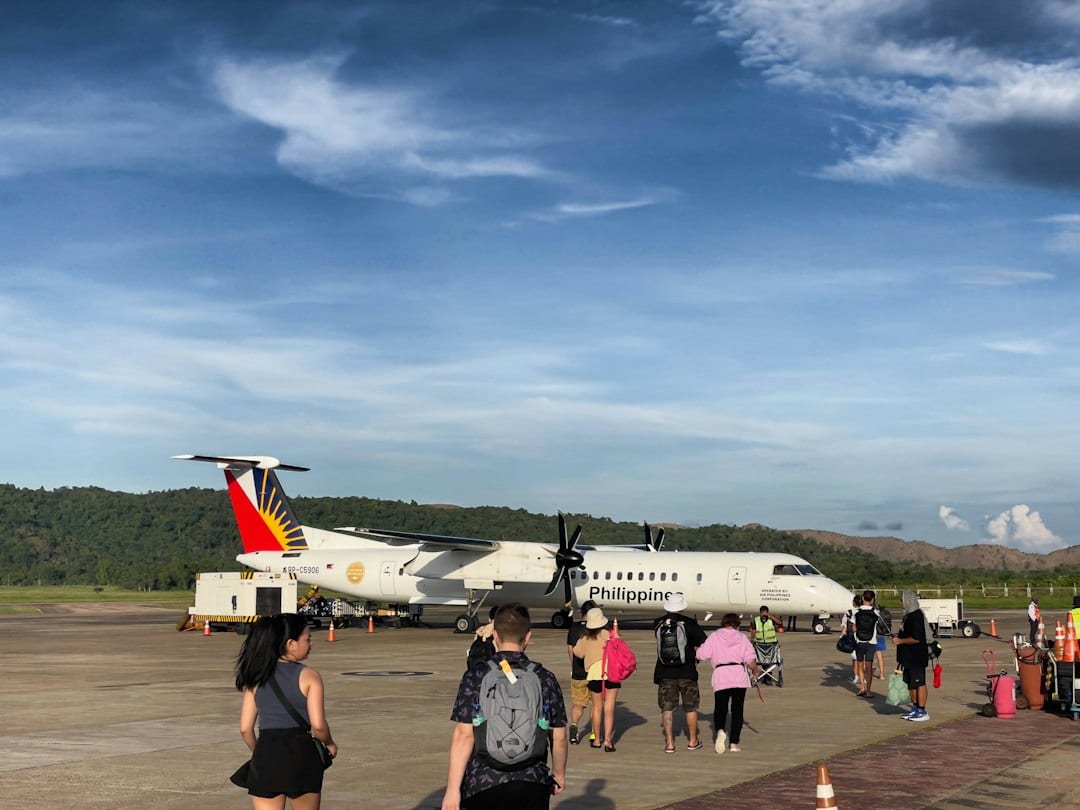
Small aircraft serve remote Philippine islands where ferries are too slow for short itineraries.
Connection Timelines: Building Buffers That Actually Work
Same-day flight-to-ferry transfers are where most itineraries collapse. Philippine domestic flights are punctual roughly seventy percent of the time, but afternoon thunderstorms, air-traffic congestion at Manila's NAIA, and last-minute gate changes can cost you an hour or more. Here are the buffer rules we use when curating Mesho itineraries:
The Three-Hour Minimum
If your flight lands at Mactan-Cebu International Airport and you need to catch the OceanJet to Bohol the same day, schedule your ferry departure no earlier than three hours after your flight's scheduled arrival. That leaves time for deplaning, baggage claim, a twenty-minute taxi to Pier 1, and the mandatory terminal fee and security queue.
Sample Connection Matrix
| Route | Flight Arrival | Earliest Safe Ferry | Buffer Logic |
|---|---|---|---|
| Manila → Cebu → Bohol | 08:00 | 11:40 | Taxi to Pier 1 + check-in closes 30 min before |
| Manila → Iloilo → Guimaras | 09:30 | 12:30 | Jordan Wharf RORO; limited afternoon trips |
| Cebu → Puerto Princesa → El Nido | 10:00 | Next-day van | No same-day ferry; overnight in Puerto Princesa |
| Bacolod → Iloilo → Gigantes | 07:00 | 13:00 | Iloilo land transfer to Estancia + boat schedule |
Pro tip: If your flight and ferry are on separate tickets, treat them as unrelated. Do not expect the airline to rebook your ferry if your flight is delayed. Build in a "sacrificial" afternoon—use it for a leisurely lunch near the pier rather than sprinting through traffic.
Baggage Rules, Terminal Fees, and E-Ticket Protocols
Philippine domestic terminals are smaller than international hubs, but their rules are just as rigid. Here is what you need to know before you queue.
Airlines: Baggage and Check-In
- Cebu Pacific — Base fare includes a 7 kg carry-on. Checked baggage starts at ₱400 for 20 kg if pre-purchased online; airport counter rates are nearly double. Online check-in opens seven days before departure and closes four hours prior.
- Philippine Airlines — Economy tickets include 10 kg carry-on and 20 kg checked baggage on most domestic routes. Online check-in closes forty-five minutes before departure.
- AirAsia — 7 kg carry-on standard. Checked baggage pre-purchase is cheaper than at the airport. They are strict on carry-on weight at provincial airports like Busuanga and Siargao.
Ferries: What You Can Bring
Fast-craft operators like OceanJet and SuperCat allow one carry-on bag up to roughly 15 kg at no charge. Larger suitcases are stored in the cargo hold; a small fee of ₱30–₱80 may apply at the pier counter. For 2GO Travel overnight ferries, you can typically bring luggage directly to your cabin, making them more forgiving for island-hoppers with dive gear or large backpacks.
Terminal Fees and E-Tickets
Most Philippine airports still collect a terminal fee of ₱150–₱300 at the departure gate, though Manila's NAIA and Mactan-Cebu have integrated this into the ticket price on select carriers. Provincial airports like Puerto Princesa, Bohol-Panglao, and Siargao often require cash at a separate booth—bring exact change.
For ferries, e-tickets are widely accepted but not universally. OceanJet and 2GO both honor mobile QR codes, yet some smaller RORO terminals (especially in Mindanao and remote Visayas) still prefer a printed receipt. Screenshot your booking confirmation and keep a PDF backup offline. Pier terminal fees range from ₱15–₱50 depending on the port.
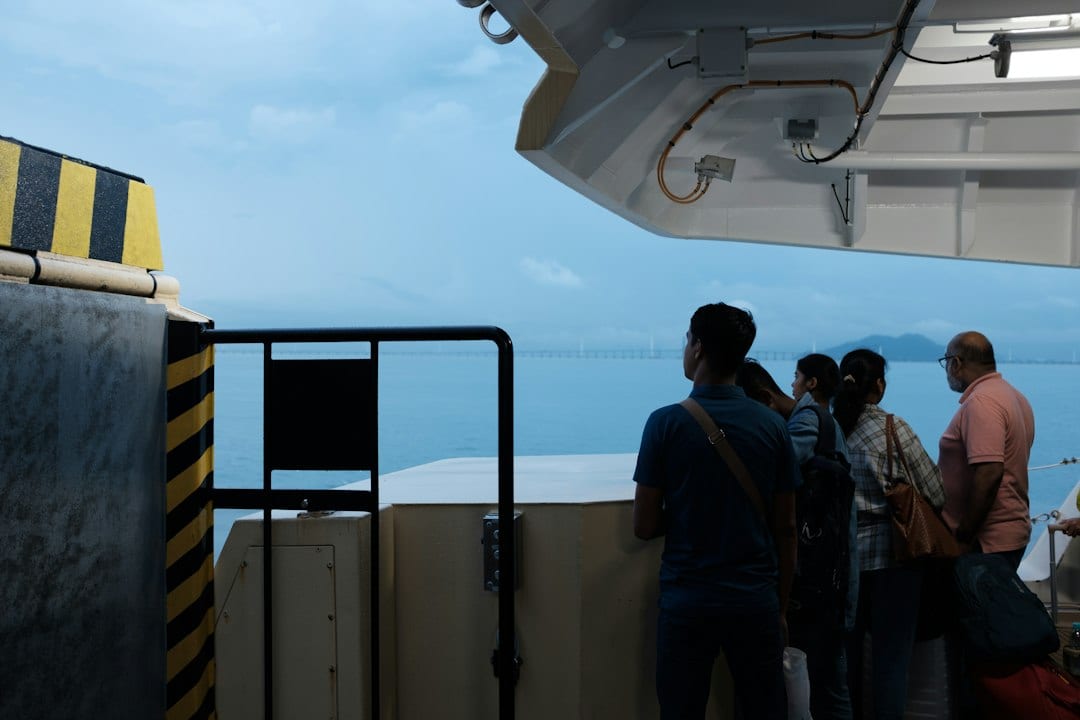
Fast ferries connect major Visayas hubs in under two hours, but afternoon seas can turn rough during monsoon season.
Weather Contingencies: Monsoons, Storms, and Plan B
The Philippines sits inside the typhoon belt, and no island-hopper should ignore that reality. The southwest monsoon (Habagat) brings heavy rains to the western coasts from June to October. The northeast monsoon (Amihan) cools down the eastern seaboard from November to March. Understanding these patterns is the difference between a smooth crossing and a canceled ferry.
Route-Specific Weather Risks
- Manila–Batanes / North Luzon sea routes — Frequently suspended from July to September due to rough Luzon Strait waters. Flights are the safer bet, though Batanes' Basco Airport closes during signal no. 2 storms.
- Cebu–Bohol / Cebu–Dumaguete — OceanJet suspends fast-craft operations when PAGASA raises gale warnings for the Tañon Strait. Morning departures are calmer; afternoon trips are more vulnerable.
- El Nido–Coron (Bangka and fast craft) — The Linapacan Strait can be impassable for small boats during Habagat. 2GO's Manila–Coron overnight ferry is less affected but still subject to Coast Guard suspension.
- Siargao–Surigao / Dinagat routes — The Surigao Strait is notorious for sudden squalls. RORO ferries are more stable than outrigger boats, but delays of three to six hours are common from November to January.
Building a Weather Buffer
We recommend the 48-hour rule: if PAGASA forecasts a tropical depression entering your route corridor within forty-eight hours of your ferry departure, assume cancellation. Rebook your ferry for an earlier window or add an overnight buffer in your gateway city. Travel insurance that covers weather-related trip interruption is worth every peso during monsoon months.
"The smartest island-hoppers do not fight the weather—they plan around it. A lost afternoon in Cebu eating lechon is better than a lost day vomiting on a storm-battered ferry."
Cost Breakdown: A Sample 3-Leg Island Hop in PHP
Let us put numbers to the theory. Below is a realistic budget for a Manila → Cebu → Bohol → Manila loop during shoulder season (June or October), per person, based on mid-range choices:
| Leg | Transport | Operator / Class | Est. Cost (PHP) |
|---|---|---|---|
| Manila → Cebu | Flight | Cebu Pacific / Economy with 20 kg bag | ₱2,800 |
| Cebu → Bohol | Fast Craft | OceanJet / Tourist Class | ₱900 |
| Bohol → Manila | Flight | Philippine Airlines / Economy | ₱3,200 |
| Terminal & pier fees | — | Airports + Pier 1 (Cebu) + Tagbilaran | ₱550 |
| Ground transfers | Taxi / Grab | Airport–pier–hotel across 3 cities | ₱1,200 |
| Total Transit Budget (per person) | ₱8,650 | ||
This assumes you book flights during a seat sale and ferries two weeks ahead. During peak season, add twenty to thirty percent. The lesson: your transit budget for a multi-island trip can easily rival your accommodation costs if you do not plan ahead.
Planning your trip? Browse Mesho's Philippines tour packages—we handle flight-ferry connections, terminal transfers, and weather contingencies so you do not have to.
Insider Tips: What We Learned from Years of Island-Hopping
- Book the first flight out. Morning departures from Manila and Cebu have the lowest delay rates. Afternoon buildups of cumulonimbus over the islands trigger cascading delays by 3:00 PM.
- Use Grab at airports, local taxis at piers. Grab is reliable at Mactan-Cebu, Iloilo, and Davao airports. At ferry piers, local taxi drivers know the back routes and can often beat app-based waits during rush hour.
- Download offline maps for pier locations. Cebu Pier 1, Tagbilaran Port, and Iloilo's Parola Wharf are straightforward, but smaller jump-off points like Liloan (Santander) or Estancia can confuse drivers. Pin the exact pier name, not just the town.
- Carry cash in small bills. Many provincial ferry terminals and airport terminal-fee booths do not accept GCash or cards. A stash of ₱50 and ₱100 bills saves frantic ATM hunts.
- Validate your e-ticket at the counter. Even when you have a QR code, show up at least forty-five minutes before departure to "check in" and receive your boarding pass. Some piers require this for manifest logging.
Quick Summary: Your Island-Hopping Checklist
- Book flights 3–4 weeks ahead; ferries 2 weeks ahead for peak season.
- Allow a 3-hour minimum buffer between flight arrival and ferry departure.
- Pre-purchase checked baggage online to save up to 50% over airport counters.
- Keep small bills for terminal fees and pier transactions.
- Monitor PAGASA 48 hours before departure during monsoon months.
Related Reading
- Cebu to Bohol: A Ferry and Island Logistics Guide for Filipino Travelers — Deep dive into OceanJet schedules, pier navigation, and Bohol arrival tips.
- Philippines Domestic Travel 2026: Essential Planning Tips for Filipino Explorers — Broader guidance on flights, ferries, accommodations, and safety across all regions.
- Palawan 5-Day Itinerary: El Nido and Coron for Filipino Island Hoppers — A complete route with real costs and ferry connections between Palawan's top destinations.
Ready to Island-Hop Without the Headaches?
The Philippine archipelago rewards travelers who come prepared. With the right booking strategy, realistic connection timelines, and a weather backup plan, you can thread together multiple islands without a single missed boat or frantic terminal sprint.
Ready to experience the Philippines? Let Mesho curate your journey—seamless flights, confirmed ferry seats, and curated island experiences from Cebu to Palawan and beyond.
About the Author
Marco Dela Cruz is an ASEAN Travel Consultant at Mesho Travel & Tours, specializing in land, sea, and air routing for Filipino travelers exploring Southeast Asia. With years of experience mapping ferry schedules, domestic flight connections, and multi-island itineraries across the Philippines, Marco helps travelers turn logistical complexity into seamless, extraordinary journeys.


