


Cultural Immersion · Northern Thailand
The Moment the Trail Becomes a Conversation
There is a point on every mountain trek when the physical challenge gives way to something quieter. For travelers on Mesho's Sawadee Thailand Adventure, that moment often arrives at the threshold of a Karen, Hmong, or Lahu village — where the scent of wood smoke, the sound of a backstrap loom, and a welcoming smile turn a hiking itinerary into a genuine cultural exchange.
This guide is for Filipino travelers who want more than a photo stop. You will learn the histories that shaped these communities, the etiquette that protects their dignity, and how to receive their hospitality with the respect it deserves. Whether you are trekking through Chiang Mai's Mae Wang valley or exploring Chiang Rai's mountain corridors, these encounters can become the most meaningful chapter of your adventure.
Who You Will Meet: Karen, Hmong, and Lahu in the Northern Highlands
Northern Thailand's hill tribes are not a single people. They are distinct ethnic groups with unique languages, spiritual beliefs, and migration stories — most arriving from Myanmar, China, and Laos over the last two centuries.
The Karen
The Karen are one of the largest hill tribe populations in Thailand, with subgroups including the Sgaw, Pwo, and the well-known Kayan (often called Padaung). Many Karen villages sit in the forested hills around Chiang Mai's Mae Wang and Mae Taeng districts. Traditionally animist or Buddhist, Karen communities are known for intricate weaving, rice farming, and deep forest knowledge. The Kayan women are recognized globally for their brass neck coils — a tradition rooted in cultural identity, not performance.
The Hmong
The Hmong migrated from southern China and are renowned for their indigo batik, vibrant embroidery, and silver jewelry. In Thailand, Hmong villages often occupy higher altitudes near Doi Inthanon and Chiang Rai's Mae Salong area. Their New Year festival, usually held in December, features the famous pov pob ball-tossing courtship ritual — a vivid expression of Hmong social life.
The Lahu
The Lahu, also with roots in southwestern China, traditionally practiced shifting agriculture and hunting. Lahu villages tend to be smaller and more remote, often found in Chiang Rai's Wiang Pa Pao and Mae Fa Luang districts. Their musical tradition is especially strong — the Lahu lute and bamboo flute accompany communal songs that have carried their oral history for generations.
"These communities are not living museums. They are modern people navigating education, land rights, and economic change — while holding onto the traditions that define them."
Village Visit Etiquette: How to Show Respect
Respectful engagement starts before you arrive. On the Sawadee Thailand Adventure, your Mesho guide will brief you on specific village protocols, but these universal principles apply everywhere:
Photography: Ask First, Always
Never photograph a person without clear permission. This is especially important for Kayan women with neck rings — they are individuals, not exhibits. A smile and a gesture toward your camera usually communicates your intent. If someone declines, respect it without question. Avoid intrusive close-ups of children or inside private homes unless explicitly invited.
Dress Modestly
Villages are homes, not resorts. Wear clothing that covers your shoulders and knees. Avoid tight or revealing outfits. Comfortable trekking pants and a lightweight long-sleeve shirt serve double duty — cultural respect and sun protection on the trail.
Purchasing Handicrafts: Support, Don't Haggle Aggressively
Hmong embroidery, Karen woven bags, and Lahu silver ornaments represent hours of skilled labor. Prices are often fair and directly support the artisan. While light negotiation is part of Thai market culture, avoid aggressive haggling in village settings. A handmade Hmong shoulder bag typically ranges from 300–800 THB (≈500–1,300 PHP) — a meaningful purchase that funds a child's school supplies or medical needs.
Physical Boundaries and Sacred Spaces
Do not touch anyone's head — it is considered the most sacred part of the body in Thai and hill tribe culture. Avoid pointing your feet at people or altars. If you encounter a spirit gate or village shrine, observe quietly and ask your guide before approaching. These spaces are spiritually significant, not decorative backdrops.
Cultural Experiences on the Sawadee Thailand Adventure
Mesho's Sawadee itinerary weaves cultural immersion into the adventure fabric. Here is what you can expect:
- Guided village walks in Mae Wang or Mae Taeng, where you will observe daily life — rice pounding, herbal gathering, and loom weaving — with context from a local guide who translates both language and cultural nuance.
- Shared meals with host families, featuring dishes like khao soi (Northern Thai coconut curry noodles), steamed mountain rice, and grilled river fish. Dietary restrictions are accommodated when communicated in advance.
- Traditional craft demonstrations, including Hmong batik drawing with hot wax and Karen backstrap weaving. Some villages offer short workshops where you can try the techniques yourself.
- Evening storytelling circles around the fire, where elders share oral histories of migration, jungle survival, and spiritual beliefs. These sessions are unscripted and deeply moving.
- Optional homestay nights in select Karen communities, offering dawn sounds of roosters and mountain mist — a world away from Chiang Mai's city energy.
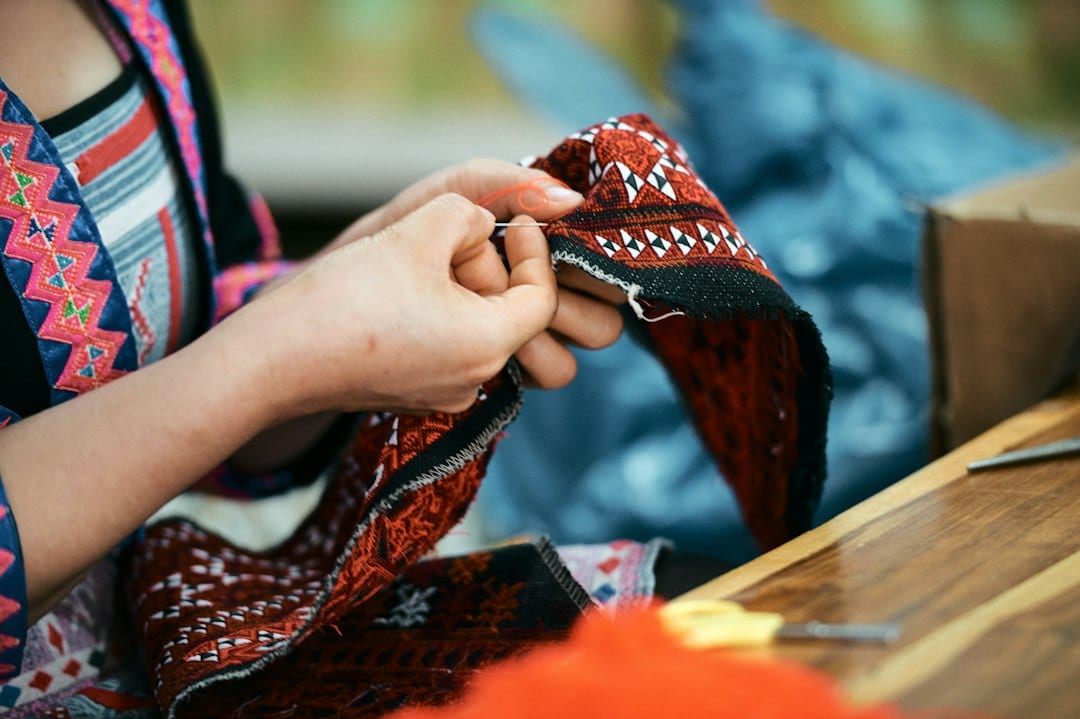
Traditional Karen weaving — each pattern carries generational meaning
What to Wear and What to Bring as a Guest
Clothing Essentials
- Long pants or capris (avoid shorts)
- T-shirt or light blouse with sleeves (no tank tops)
- Closed-toe shoes with grip for uneven village paths
- A light jacket for mountain evenings (temperatures can drop to 15°C)
Appropriate Gifts
If you wish to bring something, prioritize practical utility over novelty. Your Mesho guide can advise on current village needs, but these items are generally welcome:
| Gift Idea | Why It Matters |
|---|---|
| School supplies (notebooks, pens, pencils) | Many villages have limited access to stationary shops; education is highly valued |
| Basic medical supplies (bandages, antiseptic) | Remote locations mean a long journey to the nearest clinic |
| Seeds for vegetables or herbs | Supports sustainable gardening and nutrition diversity |
| Rain ponchos or lightweight umbrellas | Monsoon seasons are unpredictable in the mountains |
Avoid giving candy or money directly to children — it encourages begging behavior and disrupts community dynamics. Instead, donate through your guide or the village headman, who ensures fair distribution.
Why This Cultural Layer Transforms Your Adventure
Trekking through Northern Thailand is physically rewarding — waterfall swims, ridge-line views, and bamboo forest trails. But the terrain becomes unforgettable when you understand who lives on it and why.
Sitting with a Karen grandmother as she explains the meaning behind a woven pattern connects you to centuries of oral tradition. Watching a Hmong woman draw a wax-resist design that her mother taught her reveals a lineage of artistry. Hearing a Lahu elder play a bamboo flute at dusk reminds you that adventure travel is not just about adrenaline — it is about perspective.
For Filipino travelers, there is an added resonance. Like the Philippines' own indigenous communities — the Ifugao, the Lumad, the Mangyan — Thailand's hill tribes navigate the tension between preservation and progress. That parallel creates a bridge of empathy. You do not visit as a spectator. You visit as someone who understands that culture is lived, not displayed.
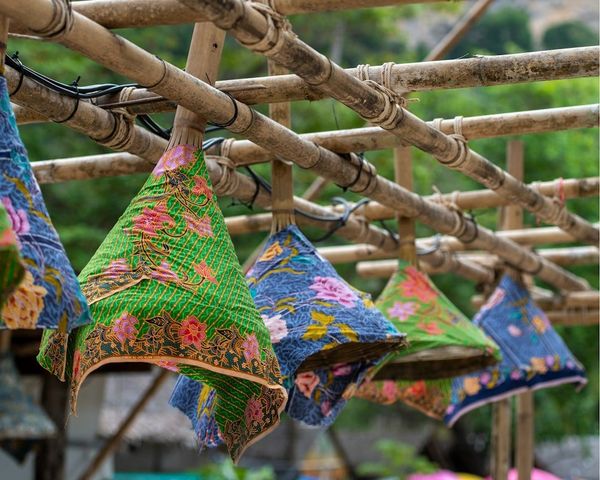
Hmong textiles on display — each village has distinct patterns and color palettes
Planning Your Hill Tribe Encounter?
Mesho's Sawadee Thailand Adventure includes curated village visits led by local guides who grew up in these communities. Every encounter is designed for mutual respect — you learn, they benefit, and the experience stays authentic.
Explore the Sawadee Thailand AdventureQuick Summary: Respectful Hill Tribe Engagement
- Ask before photographing — especially Kayan women and children. Consent is cultural respect.
- Dress modestly — shoulders and knees covered, closed shoes for village paths.
- Buy handicrafts fairly — avoid aggressive haggling; prices support real families.
- Bring practical gifts — school supplies and medical basics are more valuable than candy.
- Listen more than you perform — the best cultural travelers are curious observers, not center-stage actors.
Related Reading
- Sawadee Thailand Adventure — Full Itinerary & Inclusions
- Best Times to Visit Northern Thailand: A Seasonal Guide for Filipino Travelers
- Thai Temple Etiquette: What Every Catholic Filipino Should Know
Author Note
Marco Dela Cruz is Mesho's ASEAN Travel Consultant, specializing in land and air routing across Southeast Asia for Filipino travelers. Having guided groups through Northern Thailand's mountain corridors for years, he believes the best adventures happen when you slow down long enough to hear someone's story. For questions about the Sawadee itinerary or custom Thailand experiences, our team in Meycauayan is ready to help.
Ready to Walk These Trails with Purpose?
Let Mesho curate your Northern Thailand journey — where every trek leads to a conversation, and every village visit deepens your understanding of the land.
Book Your Sawadee Thailand Adventure


