


You settle into a crowded dim sum hall in Tsim Sha Tsui, the clatter of porcelain and Cantonese conversations swirling around you. The teapot on your table sits with its lid slightly ajar. You think nothing of it—until a server glances over, nods, and promptly refills it with hot water. That small gesture, the tilted lid, is a complete sentence in Hong Kong's unspoken dining vocabulary. And you just understood it without speaking a word.
For many Filipino travelers, Hong Kong and Macau are shopping capitals, casino playgrounds, and weekend getaways rolled into one. But beneath the neon and retail therapy lies a deeply layered Cantonese culture where manners carry weight, temples demand reverence, and social friction often stems from what travelers don't know rather than what they do. Whether you are crossing the harbor for the first time or returning for a combined Hong Kong-Macau circuit, this guide will help you navigate both territories with the confidence of an insider.
Inside, you will discover the hidden grammar of Cantonese dining, the sacred protocols of temples from Kowloon to Coloane, the real rules of Macau's casino floors, and how to move through Filipino migrant spaces with the respect they deserve.
Dining Etiquette: Reading the Unspoken Rules
Food is the true universal language in Hong Kong and Macau, but the dialect of manners around the table is distinctly Cantonese. Understanding it transforms every meal from a transaction into a gesture of cultural fluency.
The Language of Tea
In a traditional Cantonese restaurant, tea is not just a beverage—it is a communication system. When your teapot needs refilling, place the lid at an angle or rest it upside down on the pot. This silent signal is universally understood by servers across Hong Kong and Macau. When someone pours tea for you, tap two fingers—index and middle—lightly on the table as a gesture of thanks. The custom originates from a Qing dynasty tale of an emperor pouring tea for his companions in disguise; tapping the fingers mimics a bow.
Before the first sip, it is polite to rinse your teacup and chopsticks with the hot tea provided, pouring the rinse into a shared bowl. This is not about hygiene skepticism—it is a ritual of purification and respect for the shared table.
Queue Culture and Shared Tables
Hong Kong queuing culture is ferociously orderly. At popular spots like Linh Heung Tea House or Tim Ho Wan, lines form with military precision. Cutting in, even accidentally, draws immediate and vocal correction. Wait to be seated; do not hover near tables that are finishing up.
Many local restaurants practice dap toi—shared seating. Strangers may be seated at your table during peak hours. This is normal. Keep your belongings compact, speak at moderate volume, and avoid spreading across the entire table. Efficiency is kindness here.
Tipping: When It Helps, When It Offends
Tipping in Hong Kong and Macau does not follow the American model. At casual eateries and cha chaan tengs, tipping is unnecessary and can even confuse staff. A service charge of 10 percent is typically added at mid-range and upscale restaurants—check your bill before leaving extra cash.
The exception is hotel porters and taxi drivers, where rounding up or leaving small change is appreciated. In Macau casinos, never tip dealers at the gaming tables—it is prohibited. If a server at a casino restaurant goes out of their way, a discreet gratuity in an envelope is acceptable.
Temple and Shrine Protocols: Sacred Spaces, Sacred Manners
Hong Kong and Macau are studded with temples where incense smoke coils toward the sky and devotees murmur wishes into the ether. These are not museums. They are living places of worship, and your behavior there speaks volumes about your respect for the culture hosting you.
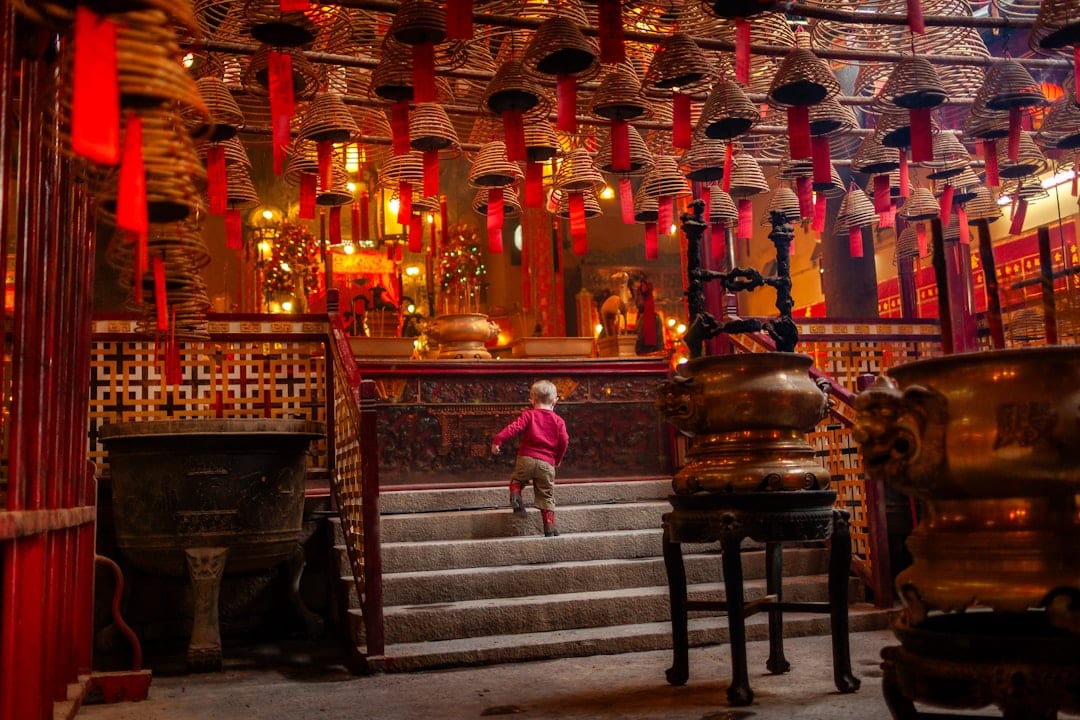
Wong Tai Sin Temple, Kowloon — one of Hong Kong's most active spiritual centers.
Wong Tai Sin Temple, Kowloon
Wong Tai Sin Temple is perhaps Hong Kong's most visited religious site, famed for granting wishes across health, wealth, and relationships. Upon entering, pause at the censer. Light incense—usually three sticks, representing the Buddha, the Dharma, and the Sangha—and hold it at forehead level while bowing three times. Walk clockwise around the main hall. Photography inside the main sanctum is generally discouraged; look for posted signs or follow the lead of local worshippers.
A popular practice here is kau cim—shaking bamboo fortune sticks until one falls out, then exchanging it for a corresponding fortune paper. If you participate, do so sincerely. Do not treat it as a party trick or social media spectacle. The temple is their sanctuary, not your content backdrop.
A-Ma Temple, Macau
Tucked into the hillside above Barra in Macau, A-Ma Temple predates the city itself. Built in 1488 and dedicated to Mazu, the goddess of seafarers, it is a layered complex of pavilions climbing toward the sea. The atmosphere here is quieter, more introspective than Wong Tai Sin.
Dress modestly—shoulders and knees covered. Remove hats and sunglasses upon entering the inner halls. Speak in low voices. If incense is offered, accept it with both hands. When placing it in the burner, plant it firmly and step back to bow. Never point the soles of your feet toward altars or statues. This is considered deeply disrespectful across Buddhist and Taoist traditions.
Po Lin Monastery, Lantau Island
Home to the iconic Tian Tan Buddha, Po Lin Monastery operates as an active monastic community. The vegetarian restaurant here serves authentic Buddhist cuisine—no onion, garlic, or strong aromatics, following monastic dietary codes. Meals are eaten in silence. Do not photograph monks without explicit permission. If you encounter a procession or prayer session, step aside quietly and wait for it to pass rather than weaving through it.
Casino and Hotel Courtesy in Macau
Macau's casino floors are world-famous, but they operate under a code of conduct that surprises many first-time visitors. Understanding the etiquette protects you from embarrassment—and from being escorted out.
Dress Codes and Photography Bans
Most casinos on the Cotai Strip enforce a smart-casual dress code. Flip-flops, sleeveless shirts for men, and swimwear are universally rejected at the gaming areas. If you are transitioning from a pool day at your hotel, change before hitting the tables.
Photography on the casino floor is strictly prohibited. This is not a suggestion—it is enforced by security. Do not attempt discreet phone shots. Even filming your own reactions at a slot machine can result in confiscation of your device or removal from the premises. If you want a memory, step into the lobbies or atriums where photography is permitted.
Local Superstitions at the Tables
Chinese gamblers are famously superstitious, and Macau's tables hum with unwritten rules. Never touch another player's shoulder while they are betting—it is believed to drain their luck. Do not count money openly at the table; it is considered vulgar and bad fortune. If a player is on a winning streak, do not comment on their "luck" verbally; many believe speaking it aloud invites its departure.
The color red is auspicious, which is why you will see it everywhere—from dealer vests to player accessories. Conversely, mentioning loss, death, or the number four (which sounds like "death" in Cantonese) at a table is socially unacceptable. You do not need to share these beliefs, but respecting them keeps the atmosphere harmonious.
Language and Bargaining: Finding Your Voice
English proficiency in Hong Kong and Macau varies dramatically by neighborhood and generation. Knowing when to speak, when to gesture, and when to pull out your phone can save you from awkward exchanges.
When English Works (and When It Doesn't)
In Hong Kong, English is widely spoken in Tsim Sha Tsui, Central, Causeway Bay, and within major hotel chains. Younger Hongkongers often speak fluent English. In Macau, casino staff and hotel concierges are typically bilingual in Cantonese and English, with many also speaking Mandarin and Portuguese.
However, venture into local markets, neighborhood eateries, or older districts, and English evaporates. This is where translation apps become essential. Google Translate works offline if you download the Cantonese and Mandarin packs before departure. For menu translation, the camera feature is a lifesaver. Speak slowly and avoid idioms. A polite "Mm goi" (thank you, for services) in Cantonese goes further than you might expect.
The Boundaries of Haggling
Bargaining in Hong Kong and Macau is highly context-dependent. At the Ladies' Market in Mong Kok or the Red Market in Macau, haggling is expected. Start at 60 to 70 percent of the asking price and negotiate with a smile. Walking away is a legitimate tactic—vendors will often call you back.
But in department stores, branded boutiques, and restaurants, prices are fixed. Attempting to negotiate here marks you as inexperienced and is met with polite refusal at best, cold dismissal at worst. The rule is simple: if there is no price tag, you can bargain. If there is a tag, you pay what it says.
Filipino Connections: Navigating OFW Spaces with Respect
Hong Kong is home to roughly 200,000 Filipino migrant workers, many of them domestic helpers. Their presence has carved out distinct Filipino spaces in the city—spaces that travelers often stumble upon without understanding their significance.
Remittance Centers and Sunday Gatherings
On Sundays, the walkways of Central, Causeway Bay, and Admiralty transform. Filipino domestic workers gather on cardboard mats and tarpaulins for their single day off, sharing food, karaoke, and church services. These are not tourist attractions. They are communities of people who have left families behind to support them, and their Sunday gatherings are sacred social time.
Remittance centers in areas like World-Wide House in Central buzz with activity as workers send money home. If you visit these areas—perhaps to send a quick remittance yourself—be efficient and unobtrusive. Do not photograph groups without permission. Many OFWs are cautious about having their images circulated, concerned about employer reactions or family privacy.
Respectful Engagement
If you strike up a conversation, approach with genuine curiosity, not voyeurism. Many OFWs are eager to share stories, but they are not there to perform gratitude or hardship for tourists. Ask about their favorite Filipino restaurants in the city, or where to find the best pan de sal on a Sunday morning. Treat them as fellow travelers in a foreign land—because that is exactly what they are.
"The most meaningful travel moments in Hong Kong did not happen at Victoria Peak or the casinos. They happened over shared adobo in Statue Square on a Sunday afternoon, listening to stories that made the city feel like home."
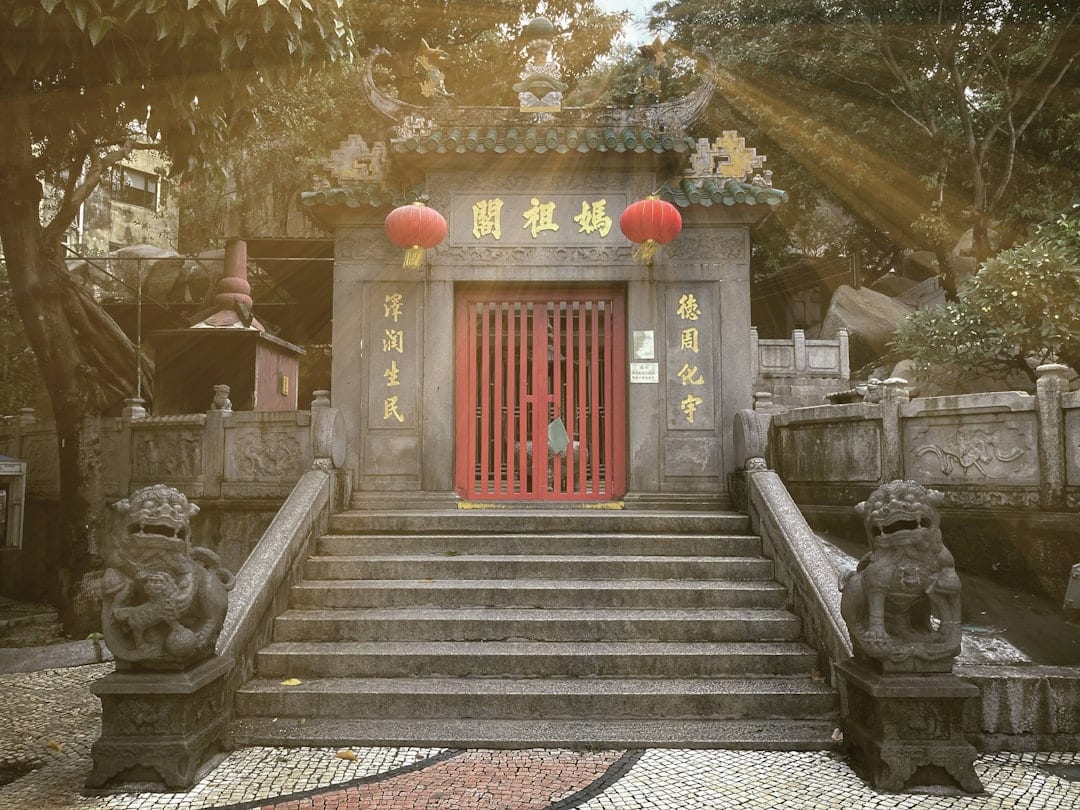
A-Ma Temple, Macau — the oldest temple in the territory, dedicated to the goddess of seafarers.
Planning your Hong Kong-Macau trip?
Mesho Travel And Tours curates seamless itineraries that balance must-see landmarks with authentic cultural immersion. From temple visits to local dining experiences, we handle the details so you can focus on the journey.
Explore Our 4-Day Hong Kong-Macau PackageQuick Reference Summary
- Dining: Tap two fingers to thank someone for tea. Lift the teapot lid to signal a refill. Tipping is not expected at casual restaurants; a 10% service charge is common elsewhere.
- Temples: Dress modestly at Wong Tai Sin, A-Ma Temple, and Po Lin Monastery. Remove hats, walk clockwise, and avoid pointing feet at altars. Never photograph inside main sanctums without permission.
- Casinos: Smart-casual dress is required. Photography is banned on gaming floors. Respect superstitions—do not touch players' shoulders or count money openly at tables.
- Language: English works in tourist districts and hotels. Download offline Cantonese and Mandarin packs for Google Translate. Bargain only in markets; fixed prices are non-negotiable.
- OFW Spaces: Sunday gatherings in Central are community time, not tourist attractions. Ask permission before photographing. Approach conversations with respect, not curiosity.
Related Reading
- Hong Kong & Macau in 4 Days: Perfect Itinerary for Filipino Travelers
- Seoul Food: Korean Dining Etiquette and Drinking Culture for Travelers
- Sacred Bali: Understanding Hindu Temple Etiquette and Daily Offerings
Ready to experience Hong Kong and Macau?
Let Mesho curate your journey. From visa guidance to temple visits and curated dining experiences, we craft trips that go deeper than the typical tourist trail.
View Our Hong Kong-Macau PackageAbout the Author
Grace Villareal is a Taipei-based travel editor with years of experience covering Northeast Asia. She specializes in cross-border etiquette, entry protocols, and the cultural nuances that help Filipino travelers navigate China, Japan, Korea, Taiwan, Hong Kong, and Macau with confidence.


