


The idea of mainland China can feel intimidating to first-time Filipino travelers. Visa paperwork, language barriers, and the sheer scale of its cities often push Chengdu off the shortlist — which is a mistake. This southwestern metropolis is one of China's most relaxed, affordable, and culturally rich destinations. You do not need two weeks or Mandarin fluency to see giant pandas in their naturalistic enclosures, master the art of Sichuan hotpot, and sip jasmine tea beside retirees playing mahjong in a century-old park.
In this guide, you will find a focused 3-day weekend itinerary built around Chengdu's three unmissable experiences: the Chengdu Research Base of Giant Panda Breeding, Sichuan hotpot culture, and People's Park teahouse rituals. Every section includes specific names, metro lines, and costs in Philippine pesos so you can book with confidence.
The Chengdu Research Base: Timing Is Everything
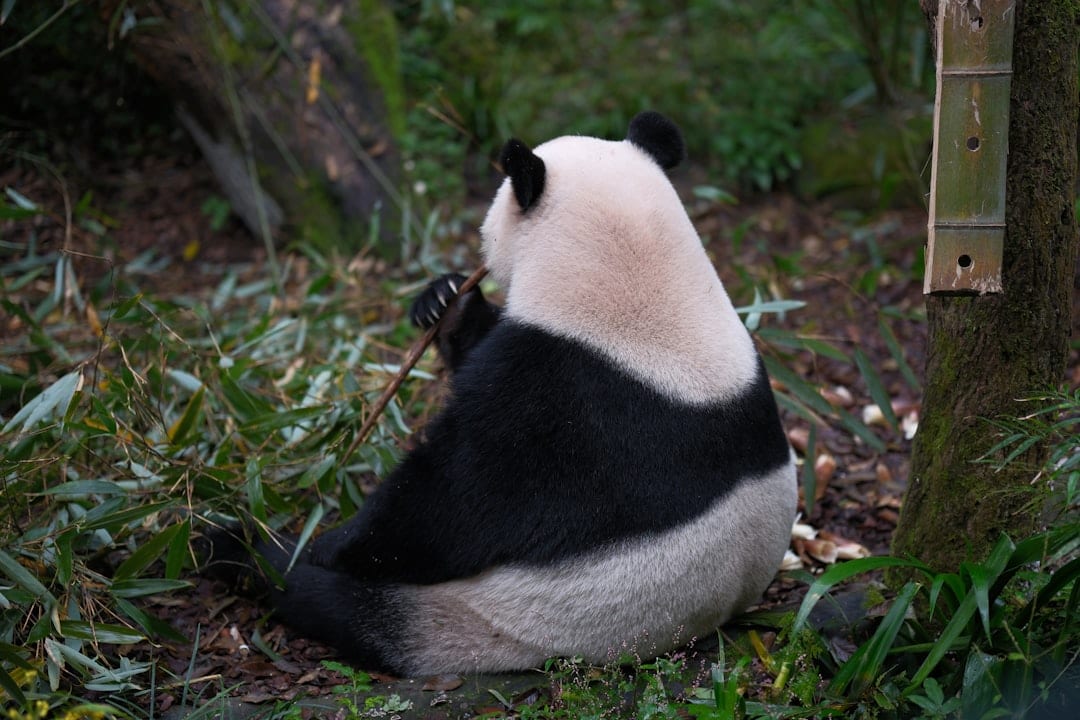
Giant pandas are most active during cool morning hours. By midday, they retreat to air-conditioned indoor enclosures and sleep. If you arrive after 10:00 AM, you will spend more time looking at sleeping fur balls than observing the climbing, tumbling, and bamboo-munching behavior that makes the visit worthwhile.
Arrive at 7:30 AM when the gates open. The base is located at 1375 Panda Avenue in Chenghua District, roughly 45 minutes from central Chengdu. Take Metro Line 3 to Panda Avenue Station, then board the dedicated shuttle bus (¥2) or a Didi ride (around ¥10-15) for the final 2 kilometers. The entrance fee is ¥55 — approximately ₱430 at current rates.
The Best Viewing Route
Skip the electric shuttle and walk. The base spans lush bamboo hills, and the morning stroll itself is part of the experience. Follow this sequence:
- Moon Delivery Room and Sun Delivery Room — Head here first. These nursery enclosures house the youngest cubs and juvenile pandas, and crowds build by 9:00 AM.
- Villa No. 1 and No. 2 — Adult pandas in spacious outdoor compounds. Arriving early means fewer selfie sticks blocking your view.
- Red Panda Enclosures — The lesser-known red pandas are more active and approachable. They often walk along overhead walkways just meters from visitors.
- Swan Lake — End your loop here. The black swans and koi ponds provide a quiet place to rest before the midday heat.
Pro tip: Bring a light jacket even in summer. Chengdu mornings are humid and cool, and the base's tree canopy keeps temperatures lower than the city center. Allocate three to four hours total. By 11:30 AM, you will have seen the pandas at their best and can return to the city for lunch.
Sichuan Hotpot: A Beginner's Survival Guide
Sichuan hotpot is not just a meal in Chengdu — it is a social ritual. Locals gather around bubbling copper pots for hours, fishing ingredients from crimson oil and washing them down with cold beer. For Filipino first-timers, the challenge is not the spice itself but understanding the etiquette and ordering system.
Choosing Your Pot and Spice Level
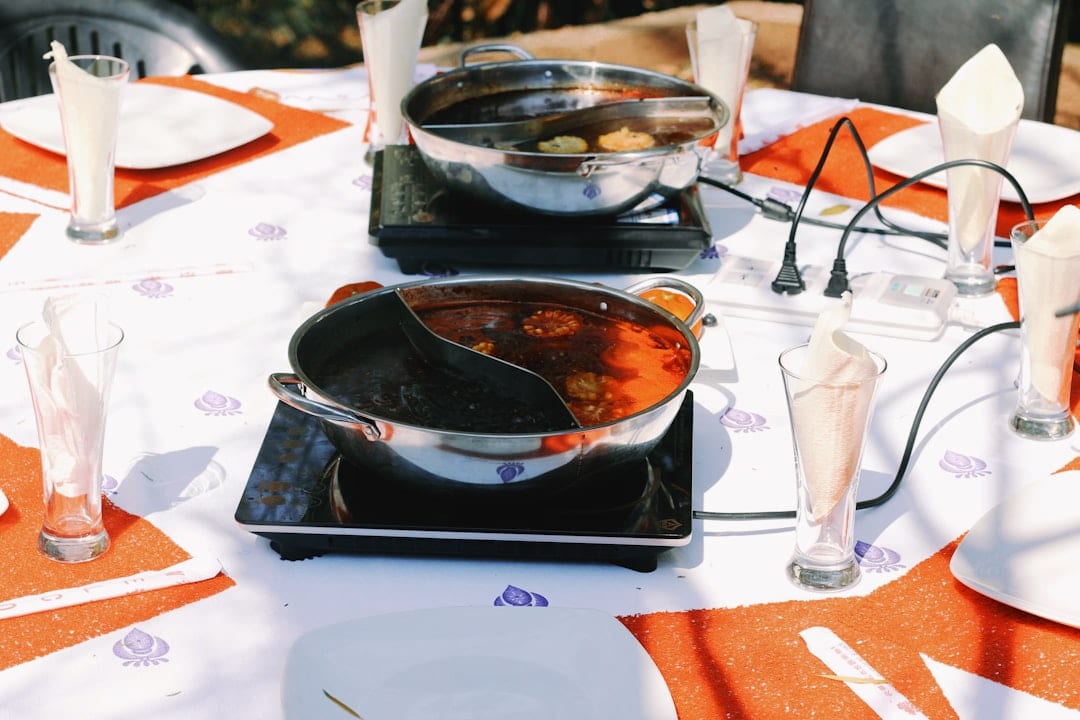
Order a yuanyang (鸳鸯) pot — half spicy mala broth, half mild mushroom or chicken broth. This is socially acceptable even for locals dining with friends who prefer less heat. When the server asks for spice level, say wei la (微辣), which means mild. Sichuan "mild" still has more kick than most Filipino palates expect, but it is manageable.
What to Order (and How Much)
Hotpot restaurants charge per item, not per person. Most ingredients are portioned for sharing. For two people, order 6-8 items total:
| Ingredient | Chinese Name | Price Range |
|---|---|---|
| Sliced Beef | 牛肉片 | ¥28-45 (₱220-350) |
| Lamb Rolls | 羊肉卷 | ¥32-50 (₱250-390) |
| Lotus Root | 藕片 | ¥12-18 (₱95-140) |
| Tofu Skin | 豆腐皮 | ¥10-15 (₱80-120) |
| Enoki Mushrooms | 金针菇 | ¥12-18 (₱95-140) |
| Potato Slices | 土豆片 | ¥8-12 (₱65-95) |
| Quail Eggs | 鹌鹑蛋 | ¥10-15 (₱80-120) |
Dipping Sauce and Payment Norms
At the sauce bar, start with sesame oil as your base — it cools the palate and protects your stomach from the chili heat. Add minced garlic, cilantro, and a dash of oyster sauce. Avoid soy sauce; it clashes with mala broth.
Payment is typically handled via WeChat Pay or Alipay. Most tourist-friendly restaurants now accept these. If you do not have a Chinese digital wallet, carry cash (RMB). Tipping is not customary. A satisfying hotpot dinner for two runs ¥150-250 (₱1,200-2,000) at mid-range chains like Shu DaXia (蜀大侠) or Xiaolong Kan (小龙坎). For a more polished experience with English menus, Haidilao costs slightly more but offers exceptional service.
People's Park: Where Chengdu Slows Down
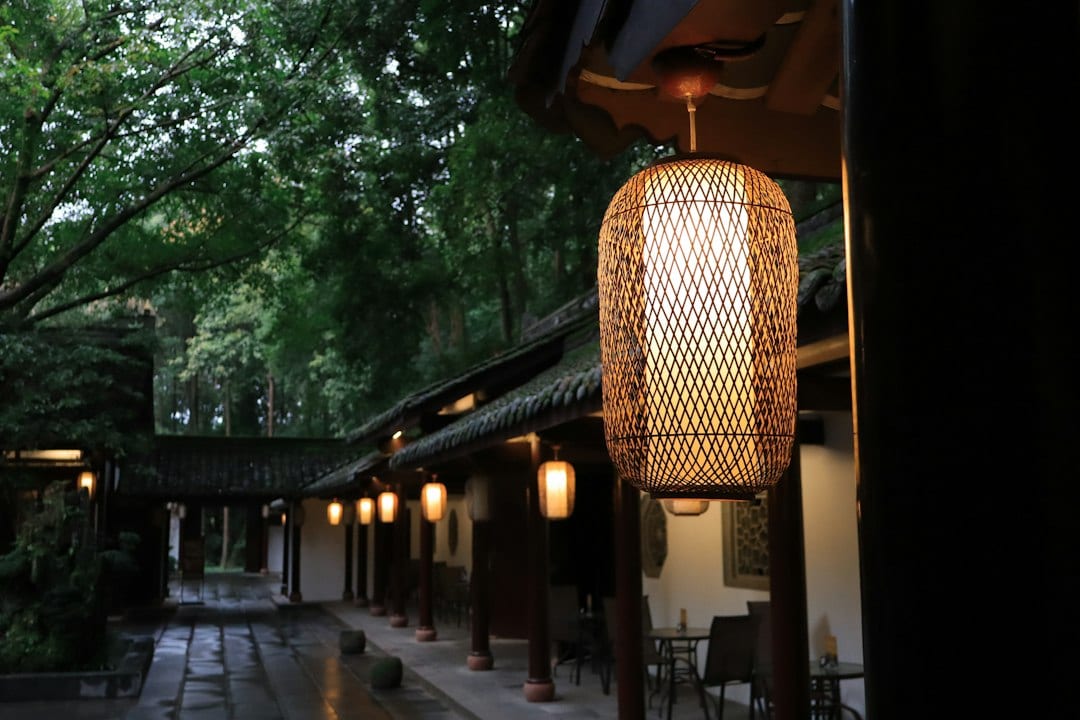
If the panda base shows Chengdu's global appeal, People's Park (人民公园) reveals its soul. Located in the city center near Tianfu Square, this green space has been the heart of local leisure since 1911. Take Metro Line 2 to People's Park Station, exit B, and walk five minutes to the main gate.
Heming Teahouse and the Art of Doing Nothing
Heming Teahouse (鹤鸣茶社), established in 1923, is the most famous of the park's teahouses. Grab a bamboo chair by the lake, order a pot of zhuyeqing (竹叶青) — a local green tea — and settle in. A pot with unlimited hot water refills costs ¥25-50 (₱200-400) depending on tea grade.
"In Chengdu, drinking tea is not about the tea. It is about the hours you spend watching the world slow down around you."
— Local tea master, Heming Teahouse
Watch locals play mahjong with clattering tiles, get a traditional ear cleaning from roving technicians with metal tools and feather wands (¥30-60 / ₱240-470), or simply observe the synchronized dance groups and calligraphy water painters. This is Chengdu's famed yuan man sheng huo — the satisfying life — in action.
Getting There: Flights from the Philippines
There are no direct flights from Manila to Chengdu, but connections are straightforward. Most Filipino travelers route through Guangzhou, Shanghai, or Hong Kong.
| Route | Airlines | Typical Roundtrip |
|---|---|---|
| Manila → Guangzhou → Chengdu | Cebu Pacific, China Southern | ₱15,000 - 22,000 |
| Manila → Shanghai → Chengdu | Philippine Airlines, China Eastern | ₱18,000 - 26,000 |
| Manila → Hong Kong → Chengdu | Cathay Pacific, AirAsia | ₱16,000 - 24,000 |
| Clark → Chengdu (seasonal) | Sichuan Airlines | ₱14,000 - 20,000 |
Visa note: Philippine passport holders need a Chinese tourist visa (L visa). Apply at the Chinese Embassy in Makati or through an accredited travel agency. Processing takes 4-7 working days. A single-entry visa costs approximately ₱2,800. If you hold a valid US, Canadian, or Schengen visa, you may qualify for a 144-hour visa-free transit in certain ports — but this is complex for Chengdu. Apply for a standard visa to avoid complications.
Best booking window: Secure flights 6-8 weeks ahead for the best rates. Avoid Chinese national holidays: Golden Week (October 1-7), Spring Festival (January/February), and Labor Day (May 1-5). Hotel prices in Chengdu triple during these periods.
Planning your trip? Explore Mesho's curated China packages for visa assistance, guided panda base visits, and seamless domestic transfers.
Your 3-Day Chengdu Weekend Itinerary
This itinerary is built around two hotel districts: Chunxi Road (春熙路) for modern convenience and metro access, or Jinli Ancient Street (锦里) for atmospheric old-Chengdu charm. Chunxi Road is better for first-timers due to Metro Line 2 and 3 connectivity.
Day 1: Arrival and Evening Hotpot
- Afternoon: Land at Chengdu Tianfu International Airport (TFU). Take the airport metro Line 18 to South Railway Station, transfer to Line 1 to Tianfu Square, then Line 2 to Chunxi Road. Total journey: 70-90 minutes. Cost: ¥10 (₱80).
- Check-in: Niccolo Chengdu (luxury, Chunxi Road, ~₱5,500/night) or Atour Hotel Chunxi Road (mid-range, ~₱2,200/night). Both are within walking distance of metro stations and shopping districts.
- Evening: Walk to Jinli Ancient Street (20 minutes from Chunxi Road, or Metro Line 3 to Gaoshengqiao). Browse lantern-lit alleys and snack stalls. Dinner at Shu DaXia Hotpot on nearby West Avenue — book ahead via your hotel concierge.
Day 1 budget: ₱2,500-6,000 (hotel + meals + transport, excluding flight)
Day 2: Pandas at Dawn and Teahouse Afternoon
- 6:30 AM: Wake early. Grab baozi (steamed buns) from a street vendor for breakfast (¥6 / ₱50).
- 7:30 AM: Arrive at Chengdu Research Base of Giant Panda Breeding. Follow the viewing route above. Depart by 11:30 AM.
- 12:30 PM: Lunch at Chen Mapo Tofu near Qingyang Palace (Metro Line 4). Try the signature mapo tofu and kung pao chicken. Meal for two: ¥80 (₱630).
- 2:30 PM: Metro Line 2 to People's Park. Spend the afternoon at Heming Teahouse. Order zhuyeqing, watch a Sichuan opera face-changing snippet (often performed at 3:00 PM), and try ear cleaning.
- 7:00 PM: Dinner at Haidilao on Chunxi Road for a polished hotpot experience with English service. Budget ¥200 (₱1,600) for two.
Day 2 budget: ₱2,000-3,000 (meals, transport, panda base, tea)
Day 3: Temple Morning and Departure
- 8:00 AM: Visit Wenshu Monastery (Metro Line 1 to Wenshu Monastery Station). The Tang-era temple is free to enter. Walk the incense-filled halls and visit the adjacent tea garden for a final pot of jasmine tea.
- 10:30 AM: Browse the monastery's calligraphy and painting market. Pick up a small scroll as a souvenir (¥50-100 / ₱400-800).
- 12:00 PM: Light lunch of dan dan noodles and zhong shui jiao (Sichuan-style dumplings) at a nearby stall. Budget ¥40 (₱315).
- 2:00 PM: Return to hotel, collect luggage, and take Metro Line 18 to Tianfu International Airport. Allow three hours before your flight.
Day 3 budget: ₱1,000-1,500 (meals, transport, souvenirs)
Cultural Notes: What to Know Before You Go
Language: English is not widely spoken outside major hotels and tourist restaurants. Download Pleco (a Chinese dictionary app) and Baidu Maps before arrival. Write down key addresses in Chinese characters to show taxi drivers.
Etiquette: In teahouses, tap two fingers on the table when someone refills your tea — a silent thank you with roots in imperial tradition. At hotpot, do not fish for ingredients with chopsticks while others are cooking theirs. Use the communal strainer ladle.
Weather: Chengdu is overcast most of the year. Summer (June-August) is humid and warm; winter (December-February) is damp and chilly. Spring (March-May) and autumn (September-November) are ideal for travel.
Digital payments: Most transactions in Chengdu are cashless. If you do not have WeChat Pay or Alipay linked to a Chinese bank account, carry sufficient RMB cash. Major hotels and airports accept credit cards; street food stalls and teahouses usually do not.
Quick Takeaways
- Arrive at the Chengdu Panda Base by 7:30 AM for active pandas and thin crowds.
- Order a yuanyang (鸳鸯) pot with mild spice for your first Sichuan hotpot experience.
- Spend at least two hours at Heming Teahouse in People's Park to understand Chengdu's leisure culture.
- Budget ₱12,000-18,000 for a 3-day weekend excluding flights; flights from Manila add ₱15,000-26,000 roundtrip.
- Apply for a Chinese tourist visa at least two weeks before departure.
Continue Your China Journey
Chengdu is an ideal entry point into China for Filipino travelers — compact, affordable, and culturally rich. If this guide has sparked your curiosity, consider extending your trip to Xi'an for the Terracotta Warriors (2-hour flight) or Chongqing for a Yangtze River cruise (30-minute high-speed rail).
Ready to experience Chengdu's pandas, hotpot, and teahouse culture for yourself? Let Mesho curate your China journey with visa support, handpicked hotels near Chunxi Road, and guided panda base visits that skip the crowds.
About the Author: Grace Villareal is a Taipei-based travel editor with years of experience covering Northeast Asia. She specializes in border logistics, local etiquette, and crafting practical itineraries for Filipino travelers exploring China, Japan, Korea, Taiwan, and Hong Kong.


