

No — travel insurance is not mandatory for tourists entering the Philippines, and Philippine immigration does not require it when Filipino travelers depart. But the answer flips for certain visa applications: a Schengen visa legally requires travel medical insurance with at least €30,000 coverage, and a few countries make health insurance a condition of entry.
If you've seen conflicting Facebook posts — one saying "required na ang insurance," another saying nobody checks — this guide settles it with the actual government documents, not group-chat folklore. We handle visa paperwork for Filipino travelers every day at Mesho, so here's the rule-by-rule breakdown.
Last updated: October 5, 2026. This guide reflects the official guidelines cited below (DFA and IACAT documents from 2023, Bureau of Immigration advisory from 2025, and the EU Visa Code). Entry rules can change — each section links the official page so you can re-check before you fly.
The short answer
- Entering the Philippines (visa-free tourists): insurance is not listed among the entry requirements under E.O. 408.
- Leaving the Philippines (Filipino tourists): no blanket exit insurance requirement in the 2023 IACAT departure guidelines.
- Schengen visa applicants: travel medical insurance is mandatory — minimum €30,000, valid across all Schengen states, per the EU Visa Code.
- Some destinations (e.g., Qatar for prior-visa visitors, Cuba) require health insurance as a condition of entry.
- Mesho package guests: basic travel accident insurance covering medical emergencies and trip delays is already included in standard packages.
Is travel insurance required to enter the Philippines?
Not for visa-free tourists. The DFA's official guidelines on visa-free entry under E.O. 408 list exactly three requirements for temporary visitors:
- A passport valid at least six (6) months beyond the intended period of stay
- Return or onward tickets to the country of origin or next destination
- A stay not exceeding thirty (30) days (Brazilian and Israeli nationals: 59 days)
Travel insurance does not appear on that list. If a foreign friend or balikbayan companion is visiting on visa-free privileges, they need those three things — not a policy certificate.
Where the confusion comes from
During the pandemic, the Philippines temporarily imposed entry restrictions that included health-coverage conditions. Those were emergency measures, not the standing rule. The current visa-free guidelines above list no insurance requirement — always check the dated official page rather than a screenshot circulating online.
One thing that is required for arrivals: eTravel registration. The Philippine Bureau of Immigration advises travelers to register or update their eTravel information at least 72 hours before travel. It applies to arriving Filipino and foreign passengers and crew, and to departing Filipino passengers. Registration is free — any site charging you for it is not the official portal.
Do Filipino travelers need insurance to leave the Philippines?
No blanket requirement exists. The 2023 Revised IACAT Guidelines on Departure Formalities (official PDF hosted by the DFA) spell out what immigration officers check at primary inspection:
| Document | Required at primary inspection |
|---|---|
| Passport valid at least six (6) months from departure | Yes |
| Valid visa, whenever required by the destination | Yes |
| Boarding pass | Yes |
| Confirmed return or roundtrip ticket, when necessary | Yes |
| Travel insurance | Not listed |
Secondary inspection happens only when deemed necessary, for anti-trafficking purposes — and if a passenger is assessed as not financially capable to travel, an authenticated affidavit of support may be required. That is what the guidelines actually say. Insurance is not part of either inspection, and no officer can demand a policy as a standing exit document.
So when someone online claims "offloading ka kapag walang insurance," that is not what the departure guidelines provide for. Prepare the four documents above properly — that is where your attention belongs. For destination-specific visa documents, start with our visa and entry requirements hub.
When is travel insurance actually mandatory?
Three situations turn "optional" into "required":
1. Applying for a Schengen visa
This is the big one, and it is law, not embassy discretion. Article 15 of the EU Visa Code (Regulation (EC) No 810/2009, via EUR-Lex) requires every Schengen visa applicant to prove adequate and valid travel medical insurance:
| Requirement | What the EU Visa Code says |
|---|---|
| Minimum coverage | EUR 30,000 |
| Geographic validity | Throughout all Schengen Member States |
| Duration | The entire intended stay or transit |
| Must cover | Repatriation for medical reasons, urgent medical attention, emergency hospital treatment, or death |
| Multiple-entry visas | Insurance must cover the first intended visit |
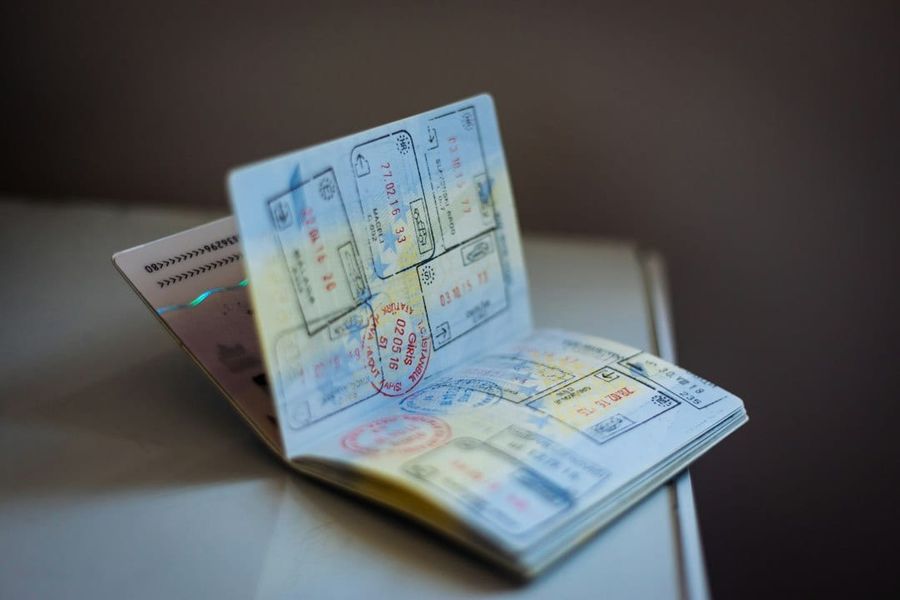
A policy missing any row of that table can sink an otherwise complete application. When we prepare Schengen files at our desk, the insurance certificate gets checked line by line against these exact criteria before anything is submitted — coverage amount, territory wording, and dates matching the itinerary.
2. Visiting a country that mandates visitor health insurance
Some destinations require insurance as a condition of entry, regardless of your visa type:
- Qatar: visitors who need a prior entry visa must hold the Mandatory Visitors' Health Insurance policy — premium QAR 50 per month — from insurers registered with or approved by Qatar's Ministry of Public Health. A random offshore policy won't qualify.
- Cuba: according to the U.S. Department of State's travel advisory (2024), Cuba requires visitors to have non-U.S. medical insurance.
3. Your tour operator or cruise line requires it
Some group tours and cruise lines contractually require proof of coverage before boarding. Check your booking terms — this is a commercial condition, separate from government rules.
For Japan and Korea tourist visas, insurance is not among the core embassy document requirements the way it is for Schengen — see our Japan visa application guide for the full checklist. Requirements evolve, so confirm with the embassy or accredited agency when you apply.
If it's not mandatory, why do embassies and experts push for it?
Because mandatory and sensible are different questions. Embassies that require insurance (like Schengen states) do so to guarantee that a visitor's emergency care and repatriation costs are covered — they don't want unpaid hospital bills becoming a consular problem.
Even where nobody checks, the practical case stands on its own: PhilHealth does not cover you abroad, and foreign hospitals typically bill private patients directly. A policy converts an open-ended emergency expense into a known, small premium. Whether you need broad coverage or just the basics depends on your trip — we break down coverage types and how to choose in our travel insurance guide for Filipino travelers.
Our honest desk position: for visa-free weekend trips, insurance is your call; for long-haul trips, senior travelers, or anyone applying for a Schengen visa, treat it as part of the document set, not an add-on.
What insurance do Mesho package guests already have?
If you booked a standard Mesho tour package, you're not starting from zero. Every standard package includes basic travel accident insurance covering medical emergencies and trip delays, and a comprehensive coverage upgrade is available for broader protection throughout the journey.
What that means in practice:
- Included basic coverage addresses the two most common disruptions we see from the booking side: a medical emergency mid-tour and a delayed trip.
- The comprehensive upgrade matters when you want wider protection — think longer itineraries, multi-country cruises, or travelers who want more than accident-based basics. Ask our team for the current coverage details and upgrade cost for your specific package before deciding.
Package insurance ≠ automatic Schengen compliance
If you're applying for a Schengen visa, don't assume any included package policy satisfies the €30,000 EU requirement. Ask us to check the certificate's coverage amount, territorial validity and dates against Article 15 — or arrange a dedicated Schengen-compliant policy. We verify this before submission, not after.
How do you verify any destination's current rule before departure?
Rules change; screenshots don't update themselves. Run this check for every trip:
- 1
Identify your entry category — visa-free, visa on arrival, e-visa, or sticker visa. The insurance rule usually attaches to the visa type, not the country alone.
- 2
Read the official source — the destination's immigration authority or ministry of health website, or the Philippine DFA/embassy page for that country. Government domains only; treat blogs and Facebook posts (including this one) as orientation, not authority.
- 3
Check the visa application checklist — if you need a visa, look for "travel medical insurance" on the embassy's or accredited agency's document list, and note the required coverage amount and validity.
- 4
Match your policy to the rule — coverage amount, geographic scope, and dates covering your full stay. For Schengen, use the Article 15 table above.
- 5
Complete Philippine-side formalities — passport valid at least six months from departure, visa if required, confirmed return ticket when necessary, and eTravel registration at least 72 hours before travel.
- 6
Re-check close to departure — especially if you booked months ahead. If a visa application is involved, remember processing typically takes 5–15 business days (Japan and Korea usually 7–10 business days), so start at least one month before departure.
Is travel insurance mandatory for entering the Philippines in 2026?
No. The DFA's visa-free entry guidelines under E.O. 408 require only a passport valid at least six months beyond the stay, a return or onward ticket, and a stay within 30 days (59 for Brazilian and Israeli nationals). Insurance is not listed. Arriving travelers do need to complete free eTravel registration at least 72 hours before travel.
Can Philippine immigration offload me for not having travel insurance?
Travel insurance is not among the required documents in the 2023 Revised IACAT Guidelines on Departure Formalities. Primary inspection checks your passport validity, visa when required, boarding pass, and confirmed return ticket when necessary. Secondary inspection occurs only when deemed necessary for anti-trafficking purposes — it is not an insurance check.
How much insurance coverage does a Schengen visa require?
A minimum of €30,000 in travel medical insurance, valid throughout all Schengen Member States for your entire stay or transit, covering repatriation for medical reasons, urgent medical attention, emergency hospital treatment or death. This is set by Article 15 of the EU Visa Code, so every Schengen consulate applies it.
Does Mesho's included package insurance satisfy the Schengen visa requirement?
Don't assume so. Standard Mesho packages include basic travel accident insurance for medical emergencies and trip delays, but Schengen compliance depends on the certificate's specific coverage amount, territory and dates. Ask our visa team to verify your policy against the €30,000 rule before you submit your application.
Is travel insurance worth buying if my destination doesn't require it?
That's a personal risk decision, but consider that PhilHealth does not cover you abroad and foreign hospitals bill private patients directly. For short visa-free trips it's optional; for long-haul travel or trips with older family members, many travelers reasonably treat it as essential protection rather than an extra.
Let us check your documents before you submit
Conflicting advice is exhausting — a ten-minute document review beats a week of group-chat guessing. As a DOT-accredited agency serving Filipino travelers since 2017, we'll check your insurance certificate against your destination's actual rule, flag gaps in your visa file, and tell you plainly what's required versus recommended. No approval guarantees — just paperwork done right.
Not sure if your trip needs insurance?
Book a free consultation with Mesho's visa team, or reach us at info@meshotravel.com / +63 906 053 9130 (phone/WhatsApp). We'll review your documents before you submit — with 24/7 support once you're on the road.
Book a free consultationSources
- DFA – Philippine Embassy Bangkok: Guidelines on the Entry of Temporary Visitors (2023)
- IACAT / DFA: 2023 Revised Guidelines on Departure Formalities (PDF) (2023)
- EUR-Lex: EU Visa Code, Regulation (EC) No 810/2009 (2009)
- Philippine Bureau of Immigration: eTravel Registration Advisory (2025)
- Qatar Ministry of Public Health: Mandatory Visitors' Health Insurance Scheme (2023)
- U.S. Department of State: Cuba Travel Advisory (2024)


