


You have saved enough, cleared your leave, and finally booked that cruise departing from Manila. Then the quiet worry creeps in: Will I stand out as the only person traveling alone? Is my cabin going to feel like a closet? What happens if I feel unsafe in a foreign port? These concerns are valid, and if you are a Filipino solo traveler, you are not alone in having them. Cruising solo is one of the most liberating ways to explore multiple countries without the logistics headache, but the lack of a companion amplifies every uncertainty.
This guide is built to replace that anxiety with clarity. You will learn how to choose a cabin that fits both your budget and your peace of mind, how to protect yourself and your belongings at sea and in port, how to turn dining and social time from awkward to enjoyable, and what the actual peso cost looks like when cruise lines charge for traveling alone. We will also walk through what embarkation day looks like at Manila ports so you know exactly where to go and what to expect.
Choosing the Right Cabin as a Solo Cruiser
Your cabin is your private retreat. For solo travelers, the wrong choice can turn a dream trip into a claustrophobic experience. Cruise lines categorize staterooms by size, view, and location, and not all categories are friendly to single occupants.
Inside vs. Oceanview vs. Balcony
Inside cabins (categories like 4A–4E on Royal Caribbean, or I1/I2 on MSC) are the most budget-friendly, often starting around ₱25,000–₱35,000 for short itineraries from Manila. However, without natural light, solo travelers sometimes report feeling more isolated. If you plan to spend most of your day exploring the ship and ports, an inside cabin is a practical choice. If you need a private space to recharge, upgrade to at least an oceanview.
Oceanview cabins add a window or porthole and typically cost ₱8,000–₱15,000 more than inside rooms. They help regulate your sense of time and space, which matters on sea days. Balcony cabins (categories like 2A–2D on Royal Caribbean, or B1/B2 on Norwegian Cruise Line) give you fresh air without leaving your room. For solo travelers who value quiet mornings or private decompression, the balcony premium of roughly ₱15,000–₱25,000 above an oceanview is often worth it.
Solo Cabins and Studio Rooms
A growing number of cruise lines now offer dedicated solo cabins. Norwegian Cruise Line pioneered this with their Studio Complex: single-occupancy inside rooms with access to a private Studio Lounge where solo travelers can meet without the pressure of large social events. Royal Caribbean offers some studio balcony rooms on select ships. These cabins are priced for one person with no single supplement, which can save you ₱20,000–₱50,000 compared to booking a standard double cabin alone.
When Manila-based cruise itineraries on lines like Resorts World Cruises or Adora Cruises offer solo pricing, always ask your travel agent whether the fare is already adjusted for single occupancy or if a supplement applies. Some regional operators departing from the Philippines have begun waiving single supplements during off-peak months.
Deck and Location Strategy
For safety and convenience, solo travelers should consider cabins on middle decks (Decks 6–9 on most large ships) and near elevator banks. Being midship reduces motion sickness and puts you within quick reach of the main dining room, theater, and embarkation areas. Avoid cabins directly below the pool deck or nightclub, as late-night noise can disturb your rest. If you are concerned about corridor security, choose a cabin on a higher deck with more foot traffic rather than an isolated aft corner.
| Cabin Type | Typical Price (PHP) | Best For Solo If... |
|---|---|---|
| Inside (4A–4E / I1) | ₱25,000–₱45,000 | You are budget-focused and out of the room all day |
| Oceanview (2N–6N / O1) | ₱35,000–₱60,000 | You want natural light without the balcony premium |
| Balcony (2A–2D / B1) | ₱55,000–₱90,000 | You need private outdoor space to decompress |
| Studio / Solo Cabin | ₱30,000–₱55,000 | You want no single supplement and built-in social access |
Prices are estimates for 3–5 night regional itineraries from Manila and vary by season, cruise line, and availability. Always confirm current rates before booking.
Safety Protocols and Personal Security at Sea
Cruise ships are statistically among the safest travel environments, but solo travelers should take extra steps to protect themselves, their documents, and their belongings. Filipino passport holders should also be aware that cruise ports in some countries have different security postures than typical tourist areas.
Onboard Personal Security
- Memorize your cabin number and deck. In an emergency drill or actual alert, crew members direct by deck and muster station, not by name.
- Use the in-cabin safe for your passport, extra cash, and jewelry. Carry only a photocopy of your passport and the ship card when going ashore. Most cruise lines issue a Seapass or cruise card that doubles as your room key and payment method—treat it like a debit card.
- Be cautious about sharing cabin details. Solo traveler meetups are friendly, but your cabin number is private information. Arrange to meet in public lounges instead.
- Inform someone of your plans. Tell a family member back home your daily itinerary. Some ships offer daily activity printouts—snap a photo and send it.
Port Safety for Solo Filipino Travelers
When disembarking in regional ports like Kaohsiung, Hong Kong, or Ho Chi Minh City, stick to well-trafficked areas and return to the ship with at least 90 minutes to spare before the posted all-aboard time. Philippine passport holders generally enjoy visa-free or visa-on-arrival access to many cruise destinations in Asia, but always verify entry requirements before sailing. Conditions change, and being denied reboarding because of an immigration issue is a solo traveler’s worst-case scenario.
Avoid hailing unlicensed taxis at cruise terminals. Use cruise-line sanctioned shuttles, ride-hailing apps you recognize (like Grab in Southeast Asian ports), or book Mesho’s curated cruise-tour add-ons that include port transfers with vetted guides. If you plan to explore independently, download offline maps and save the ship’s local agent contact number.
Dining and Social Strategies to Avoid Isolation
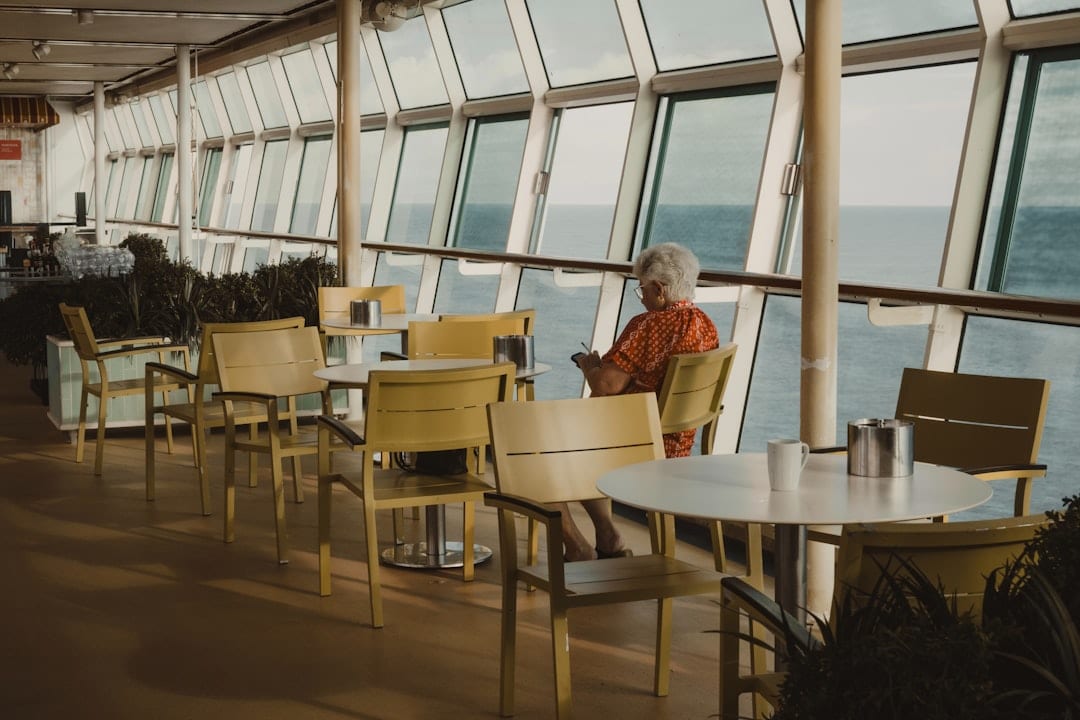
Cruise ship main dining rooms are designed for social interaction, with shared seating options that make solo travelers feel included rather than exposed.
One of the biggest fears solo cruisers voice is eating alone in a room full of couples and families. The reality is more welcoming than you expect, but you need a strategy.
Dining Tactics
- Request shared tables in the main dining room. Most maitre d’s will seat solo travelers with other singles or small groups if you ask. This is standard practice, not an imposition.
- Book specialty dining at the bar. Many specialty restaurants have counter seating where solo diners are common and conversation happens naturally with the staff.
- Use buffet breakfast as a low-pressure social warm-up. Casual seating at the buffet makes it easy to strike up a quick conversation without committing to a full dinner.
Social Events and Excursions
Attend the solo traveler meetup on the first sea day. Almost every cruise hosts one, usually in a lounge mid-afternoon. It is low stakes, and the cruise staff often facilitates icebreakers. Shore excursions are another natural place to bond. Choose small-group tours over large bus tours when possible. You will spend hours with the same people, which turns into dinner invitations and port-exploring partnerships.
If large social settings drain you, use the ship’s app or daily planner to find smaller activities: cooking demos, trivia contests, or fitness classes. These repeated-contact environments let you build rapport gradually.
"I was terrified I would spend five nights eating room service in my cabin. Then I sat at a shared table on night one, met two other solo travelers from Cebu, and we ended up exploring Kaohsiung together the next day. The ship does half the work for you if you show up."
Budgeting: Single Supplements vs. Solo Cruiser Deals
Here is the hard financial truth: most cruise cabins are priced for double occupancy. When one person books, the cruise line often charges a single supplement—an extra fee that can range from 50% to 100% of the base fare. For a Filipino traveler converting savings into pesos, this supplement can turn an affordable holiday into a stretch.
Understanding the Single Supplement
If a balcony cabin is advertised at ₱40,000 per person based on two people sharing, the cruise line expects ₱80,000 total for that cabin. As a solo traveler, you may be asked to pay ₱60,000–₱80,000 alone. The supplement covers the lost revenue from the empty berth. Some premium and luxury lines charge a lower percentage (10–25%), while mainstream lines like Royal Caribbean, Norwegian, and MSC typically charge 50–100%.
How to Avoid or Reduce It
- Book solo cabins or studio rooms. These are priced for one person with zero supplement. Norwegian’s Studios and select Royal Caribbean solo balconies are the best-known examples.
- Watch for waived-supplement promotions. Cruise lines occasionally run sales where single supplements are reduced or eliminated entirely, especially during shoulder season (May–June and September–October for Asia-Pacific routes).
- Work with a cruise-specialist agent. Agents often receive block space or group rates that absorb the supplement. Mesho regularly accesses group inventory on Manila departures where solo travelers pay the per-person double-occupancy rate with no add-on.
- Consider guaranteed cabin rates. Booking a guarantee (where the cruise line assigns your cabin later) can sometimes unlock lower solo fares.
Sample Budget for a 4-Night Cruise from Manila
| Expense Item | Estimated Cost (PHP) |
|---|---|
| Cabin fare (solo cabin / no supplement) | ₱35,000–₱55,000 |
| Port fees and taxes | ₱4,000–₱7,000 |
| Gratuities (auto-added or prepaid) | ₱3,500–₱5,500 |
| Specialty dining and drinks | ₱3,000–₱8,000 |
| Shore excursions (1–2 ports) | ₱5,000–₱12,000 |
| Total estimated range | ₱50,500–₱87,500 |
Estimates are for mainstream cruise lines on regional 4-night itineraries. Luxury lines and peak holiday sailings will run higher. Airfare to Manila and pre-cruise hotel stays are additional.
Planning your trip? Mesho can scan current promotions across cruise partners to find sailings with waived single supplements or dedicated solo inventory. Browse our cruise-tour packages to see what is available for your travel dates.
What to Expect During Embarkation at Manila Ports
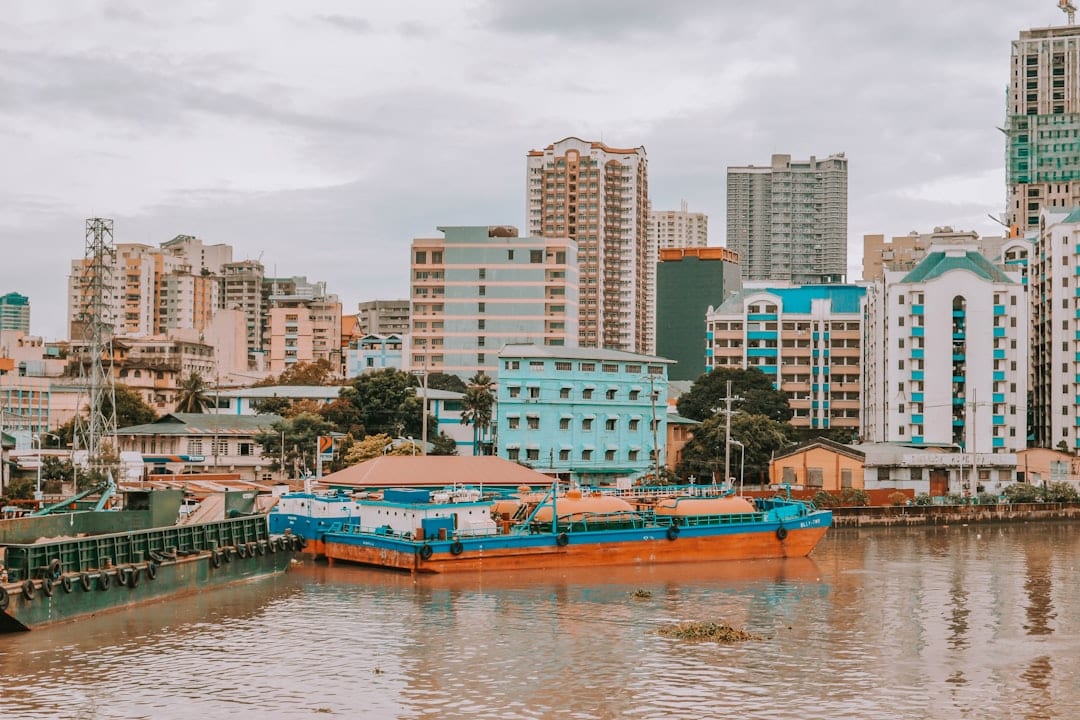
Manila’s cruise terminals serve as the embarkation point for regional sailings across Southeast and East Asia.
Embarkation day can feel chaotic if you do not know the flow. Most cruises departing from Manila use the Manila North Harbor or designated cruise terminals depending on the operator. Whether you are boarding Resorts World Cruises, a seasonal international line, or a regional Asian operator, the process follows a similar pattern.
Arrival and Check-In
Arrive at the terminal three to four hours before departure. Solo travelers sometimes think they can cut it close because they are only checking in one person, but immigration lines do not discriminate by party size. Bring a printed copy of your cruise confirmation, passport, and any required visa documentation. Have a pen ready to fill out health declaration forms if they are still required by the cruise line.
After security screening, you will proceed to check-in counters. Here you will receive your cruise card, which acts as your room key, onboard payment method, and ID. If you booked a beverage package, internet plan, or shore excursions in advance, confirm they are loaded onto your account before you leave the counter.
Boarding and First Hours Onboard
Once on the gangway, your luggage will be taken to your cabin—tip the porter ₱100–₱200 per bag in cash. Head to the buffet or main dining room for lunch; cabins are typically not ready until early afternoon. Use this time to explore the ship, locate your muster station, and attend the mandatory safety drill. As a solo traveler, knowing where your muster station is before the alarm sounds gives you a significant confidence boost.
If you have any dietary restrictions or special requests, visit the dining room on embarkation day to speak with the head waiter. Establishing this relationship early ensures smoother meals throughout the voyage.
Departing the Port
Sailaway from Manila Bay is one of the understated highlights of the trip. The sun sets over the city skyline as the ship passes Corregidor Island. Find a spot on the upper decks early—popular viewing areas fill quickly. For solo travelers, this is a perfect moment to strike up a conversation with fellow passengers who are also taking photos.
Quick Summary: Solo Cruising Essentials
- Book a studio or solo cabin to avoid the single supplement, or ask your agent about waived-supplement promotions.
- Choose midship, middle-deck cabins for stability, convenience, and safer corridor traffic.
- Lock valuables in your cabin safe, carry copies of documents ashore, and return to the ship 90 minutes before all-aboard.
- Request shared dining tables and attend the solo traveler meetup on day one to build natural connections.
- Arrive at Manila terminals 3–4 hours early, confirm pre-booked packages at check-in, and attend the mandatory safety drill before exploring.
Related Reading
- First-Time Cruise Guide: What Filipino Travelers Need to Know Before Sailing
- Adora Cruise Manila to Japan: Complete Experience Review and 2026 Booking Guide
- Your First Cruise: Complete Guide for Filipino Travelers New to Sea Travel
Ready to Cruise Solo from Manila?
Solo cruising is not about being alone. It is about choosing your own rhythm, meeting people on your terms, and waking up in a new country without repacking a suitcase. The right cabin, a few safety habits, and a willingness to show up at shared tables turn uncertainty into one of the most rewarding travel formats available to Filipino explorers.
Let Mesho curate your solo cruise journey. We monitor single-supplement waivers, solo cabin inventory, and pre-cruise arrangements so you can focus on the experience, not the logistics. Explore our solo-friendly cruise packages or speak with one of our cruise specialists today.
About the Author: Dominic Reyes is a cruise and multi-port itinerary specialist at Mesho Travel And Tours, with years of experience routing Filipino travelers through departures from Manila, Hong Kong, and Singapore. He focuses on cross-border connections, cabin strategy, and making complex cruise bookings feel simple for first-time and solo cruisers alike.


