


Dining and Dress Codes on Southeast Asia Cruises: What Filipino Travelers Should Expect
By Dominic Reyes, Cruise & Multi-Port Itinerary Specialist
Picture this: you have just boarded your first Royal Caribbean sailing from Singapore, and the evening announcement mentions “formal night.” You open your suitcase and realize you only packed shorts, polo shirts, and one pair of leather sandals. Meanwhile, your cabin mate is already debating whether the US$120-per-person steakhouse is worth it, or if the buffet will do.
That uncertainty is exactly what this guide is for. Dining and dress codes are two of the biggest pain points for Filipino first-time cruisers. Get them right, and your evenings feel effortless. Get them wrong, and you either feel out of place at dinner or overspend on food you did not budget for.
Here is what to expect across Royal Caribbean, Norwegian Cruise Line (NCL), MSC Cruises, and similar international lines sailing Southeast Asia — from main dining rooms and specialty restaurants to formal nights, halal-friendly options, and service charges.
The Four Dining Worlds on a Cruise Ship
Modern cruise ships are essentially floating food districts. Each venue has its own rules, reservations, and price tag. Understanding the four main categories before you board saves both money and awkward moments.
1. Main Dining Room (MDR)
The MDR is the traditional sit-down restaurant included in your fare. On Royal Caribbean, this is the Main Dining Room with set early or late seating, or the flexible My Time Dining option. NCL calls it the Taste or Savor restaurants with Freestyle Dining — no fixed table, no fixed time. MSC uses assigned dining times in its main restaurants, often tied to your cabin category.
- Included in fare: breakfast, lunch, and dinner.
- Dress code applies: casual by day, smart casual or formal on themed evenings.
- Best for: full-service meals, multi-course menus, and table service without extra cost.
2. Buffet & Casual Eateries
The buffet is your most flexible option. Royal Caribbean’s Windjammer Marketplace, NCL’s Garden Café, and MSC’s Marketplace Buffet all serve breakfast, lunch, dinner, and late snacks. These venues are casual — shorts, flip-flops, and tank tops are generally acceptable, though shirts are required.
- No reservations needed: walk in anytime during operating hours.
- Great for: families, quick meals before excursions, and trying many dishes at once.
- Watch for: peak-hour crowds right after shore excursions return.
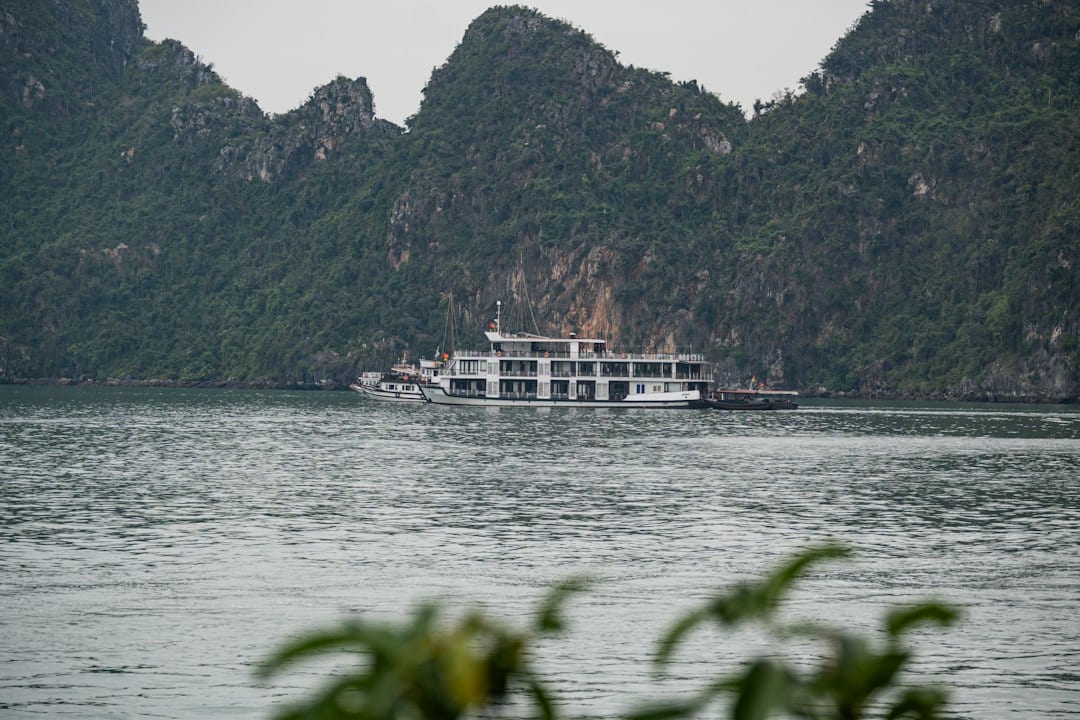
The buffet is the most flexible dining option for casual meals between port stops.
3. Specialty Restaurants
These are the ship’s premium venues — think steakhouses, sushi bars, Italian trattorias, and French bistros. They are not included in your base fare and require either a cover charge or à la carte pricing.
Pro tip: Specialty dining packages bought before sailing often discount these by 20–30%. If you plan to eat at two or more specialty venues, the package usually pays for itself.
4. Room Service
Most lines offer a limited complimentary room service menu during daytime hours, with a service charge for late-night orders or upgraded items. Royal Caribbean charges US$7.95 per order for room service in most cases. NCL has a US$9.95 convenience fee on all room service orders. MSC includes continental breakfast room service for most cabin categories, with fees for hot items.
Dress Code Tiers Explained
Cruise dress codes are less intimidating than they sound, but they are enforced in the main dining room and specialty restaurants. Here is how each tier translates into real clothing choices.
Casual
This is your daytime default. Acceptable in the buffet, pool deck eateries, and most casual venues.
- Shorts, t-shirts, polo shirts, sundresses
- Flip-flops and sandals are fine
- Swimwear should be covered; most ships do not allow wet bathing suits in dining venues
Smart Casual
The standard evening dress code in the main dining room on most nights.
- Men: collared shirts, chinos or dark jeans, closed shoes
- Women: blouses, dresses, skirts, dressy pants, sandals or heels
- Avoid: tank tops, flip-flops, torn jeans, and baseball caps
Formal / Elegant Night
Royal Caribbean calls it “Formal Night.” NCL uses “Dress Up or Not Night.” MSC refers to “Gala Evening.” These typically happen once or twice per 7-night cruise, often on sea days or the evening before a major port.
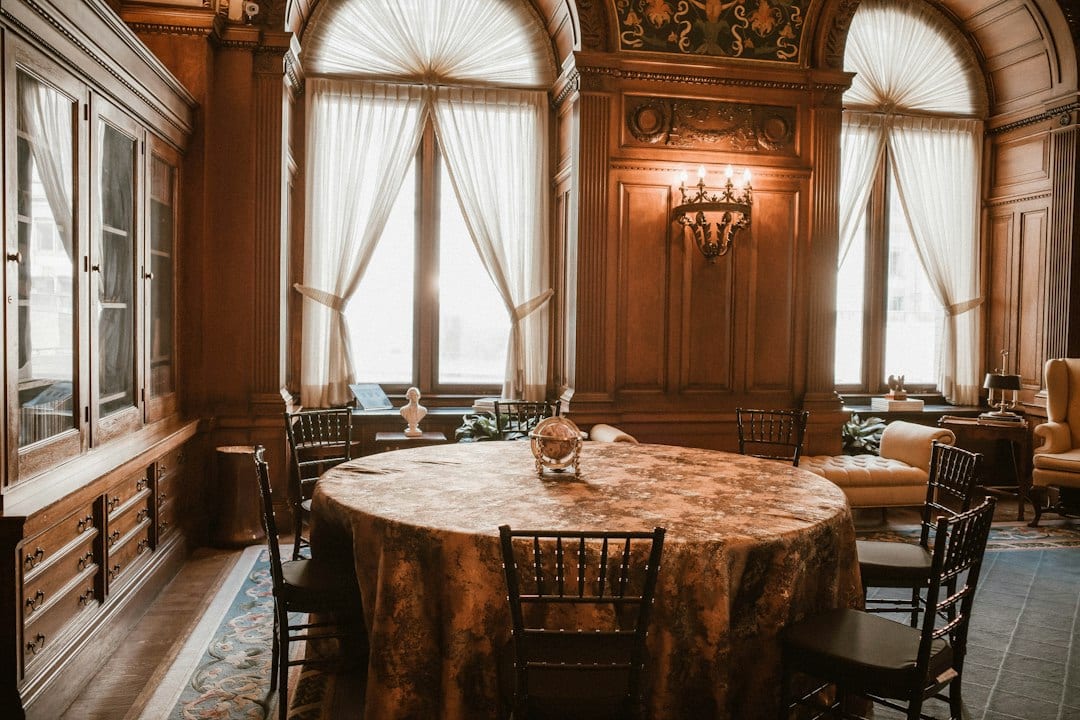
Formal nights are the perfect excuse to dress up for a multi-course dinner at sea.
- Men: suit, blazer with dress pants, or a barong Tagalog — which is absolutely appropriate and a beautiful way to represent Filipino heritage.
- Women: cocktail dress, gown, dressy jumpsuit, or an elegant Filipiniana-inspired outfit.
- Not required: tuxedo or floor-length ball gown, though some guests do go all out.
Packing tip for Filipinos: A barong Tagalog checks every box for formal night. It is breathable, elegant, and packed flat. Pair it with dark slacks and leather shoes and you are set. For women, a piña or jusi dress works beautifully without the bulk of a full gown.
What Happens If You Are Underdressed?
Cruise staff are generally polite. If you arrive at the MDR in shorts on formal night, you may be directed to the buffet or asked to change. Specialty restaurants are stricter. The easiest solution is to check the daily planner delivered to your cabin each morning — it lists the evening’s dress code.
Cultural Considerations for Filipino Cruisers
Southeast Asia cruises attract guests from across the region. The food is international, but there are a few cultural and dietary comfort points worth knowing.
Halal-Friendly Options
Many cruise lines now label halal dishes and offer halal-certified proteins upon request. MSC Cruises, in particular, has a strong halal-friendly reputation across its Southeast Asia sailings. Royal Caribbean and NCL can usually accommodate halal meals if requested at least 60–90 days before sailing. If you or a family member observe halal dietary requirements, notify your travel agent during booking.
Spice Levels and Familiar Flavors
Filipino palates vary, but Southeast Asian cruise menus often include Thai curries, Malaysian satay, Vietnamese pho, and Singaporean laksa. These can be spicier than expected.
- Ask your server for “mild” versions of curries and sambals.
- The buffet usually labels spice levels, but not always — when in doubt, taste a small portion first.
- Filipino comfort food like sinigang, adobo, or lumpia may appear on regional-themed nights, especially on ships homeporting in Manila or Singapore with high Filipino guest counts.
Bringing Your Own Food
Cruise lines generally do not allow guests to bring homemade food, fresh produce, or meat products onboard due to biosecurity laws. Packaged snacks like crackers, biscuits, and instant coffee sachets are usually fine in reasonable quantities. If you have specific dietary needs, request special meals through the cruise line rather than relying on packed food.
Specialty Dining Costs and When to Book
Specialty dining is where many first-time cruisers overspend. The key is deciding before you board, not while hungry at 7 PM.
When to book: As soon as online check-in opens — usually 90 days before sailing for returning guests and 75 days for new cruisers. Popular venues like Royal Caribbean’s Chops Grille, NCL’s Cagney’s Steakhouse, and MSC’s Butcher’s Cut fill up fast on Southeast Asia itineraries.
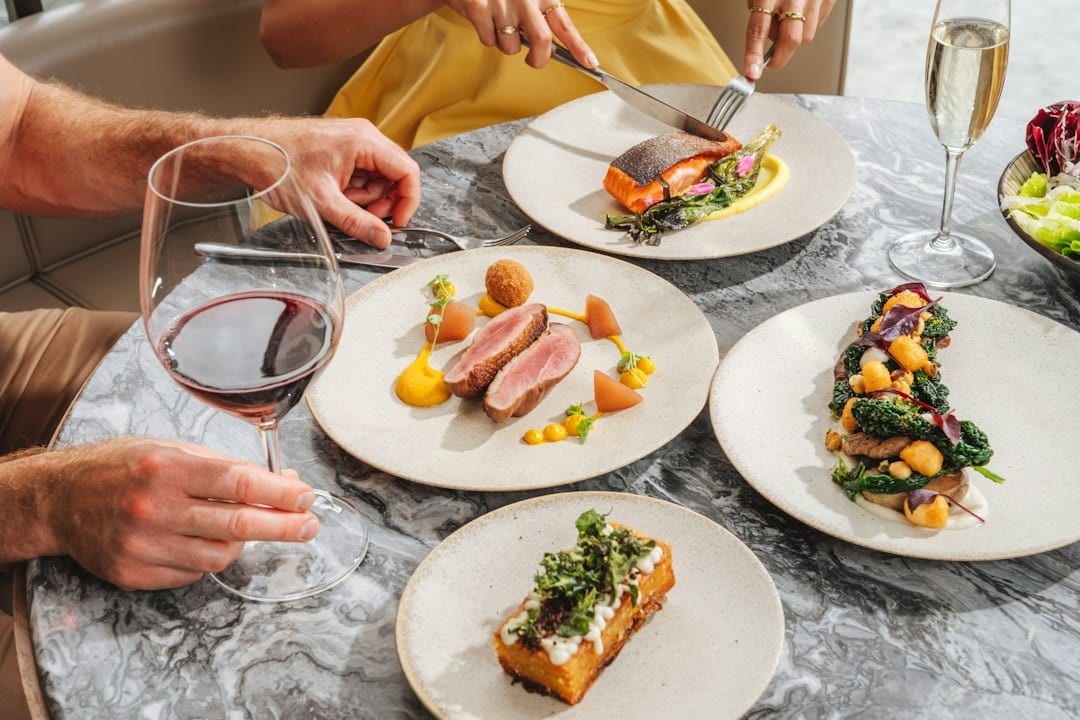
Specialty restaurants like steakhouses and sushi bars require reservations and carry extra fees.
Tipping and Service Charges by Cruise Line
Gratuities are a real part of your cruise budget. They are either prepaid, added automatically to your onboard account, or bundled into a service charge. Here is how the major lines handle it.
Important: These daily amounts apply to every guest, including children. For a 7-night cruise, expect roughly US$100–175 per person (~₱5,650–9,900) in gratuities alone. Some premium all-inclusive lines like Regent Seven Seas or Seabourn include tips in the fare, but they are less common on mainstream Southeast Asia itineraries.
A 18% service charge is also typically added to bar tabs, spa treatments, and specialty dining bills automatically. You do not need to tip extra unless you want to recognize exceptional service.
Insider Tips from the Deck
After years of routing Filipino travelers through Singapore, Hong Kong, and Manila cruise departures, these are the lessons that come up again and again.
- Pack one formal outfit even if you skip formal night. You can wear smart-casual clothes to the buffet, but having a barong or dress gives you options.
- Book specialty dining on port days. Many guests eat ashore, so dinner reservations are easier to secure.
- Use the main dining room for breakfast and lunch. It is included, air-conditioned, and far less crowded than the buffet.
- Download the cruise line app before boarding. Royal Caribbean’s app, NCL’s Cruise Norwegian, and MSC for Me all let you reserve dining and track dress codes.
- Bring a reusable water bottle. Hydration matters between spicy meals and hot port days.
“The guests who enjoy their first cruise the most are the ones who planned three things before boarding: one formal outfit, one specialty dinner, and a clear budget for gratuities.”
— Dominic Reyes, Cruise & Multi-Port Itinerary Specialist
Planning Your First Cruise? Let Mesho Guide You
Dining and dress codes should never be the reason you hesitate to book a cruise. With the right guidance, your first sailing becomes a seamless journey from embarkation day to your final breakfast at sea.
At Mesho Travel And Tours, we help Filipino travelers choose the right Southeast Asia cruise, secure the best cabin, pre-book specialty dining, and prepare for formal nights — so you show up confident and well-packed. Whether you are eyeing Royal Caribbean from Singapore, NCL from Hong Kong, or MSC from Manila, we handle the logistics while you focus on the experience.
Explore Mesho Cruise PackagesQuick Summary
- Main dining rooms and buffets are included; specialty restaurants cost extra and should be reserved early.
- Pack for three dress tiers: casual, smart casual, and formal/elegant night.
- A barong Tagalog or Filipiniana-inspired outfit is perfect for formal night and easy to pack.
- Halal meals and mild spice requests are usually available if arranged in advance.
- Budget US$100–175 per person for gratuities on a 7-night cruise, plus 18% service charges on extras.
Related Reading
- Cruise Tours with Mesho Travel And Tours — Explore curated Southeast Asia cruise packages departing from Manila, Singapore, and Hong Kong.
- Southeast Asia Travel Packages — Combine your cruise with land tours, visa assistance, and flights.
Author’s Note
Dominic Reyes is a cruise and multi-port itinerary specialist based in the Philippines. Over the years, he has helped hundreds of Filipino travelers navigate their first cruise departures from Manila, Singapore, and Hong Kong. His focus is simple: take the guesswork out of dining, dress codes, and port logistics so you can actually enjoy the journey.


